Reuse and Refill

Reuse and Refill for Plastic Reduction

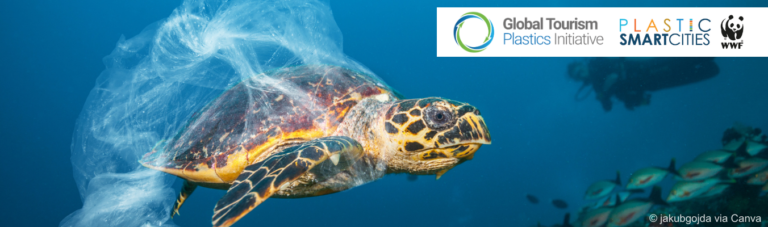
Reuse and Refill is a crucial strategy in tackling the growing problem of plastic waste. By emphasizing the reduction of plastic usage, particularly single-use plastics, and promoting the adoption of reusable alternatives, we can significantly minimise plastic consumption and waste generation.

Despite clear environmental advantages, the widespread adoption of reuse and refill systems for plastic reduction remains limited due to a culture driven by convenience, lack of infrastructure, and low consumer awareness. Many individuals still opt for single-use plastics because refillable options—such as bulk dispensers, reusable containers, and returnable packaging—are often inaccessible, unaffordable, or unfamiliar. Industries reliant on disposables also face logistical and financial hurdles in transitioning to circular models. Without systemic support and education, the shift toward reuse and refill remains a promising but underutilized solution to plastic pollution.

Reducing plastic waste and fostering sustainability requires a collective effort across society, including public awareness campaigns, supportive policies, and collaboration among governments, industries, and consumers.

Individuals can contribute by adopting more sustainable lifestyles, choosing durable goods and avoiding single-use plastics, while businesses can implement waste prevention strategies such as avoidance, source reduction, and direct reuse to ease pressure on waste management systems.

Reuse and refill models, especially when supported by digital innovation and evolving consumer preferences, offer powerful opportunities to extend product lifecycles, reduce environmental impact, and enhance user experience, brand loyalty, and operational efficiency.

Reusable containers and packaging eliminate the need for single-use plastic items in all sectors. Read more: https://plasticsmartcities.org/reuse-models/ 

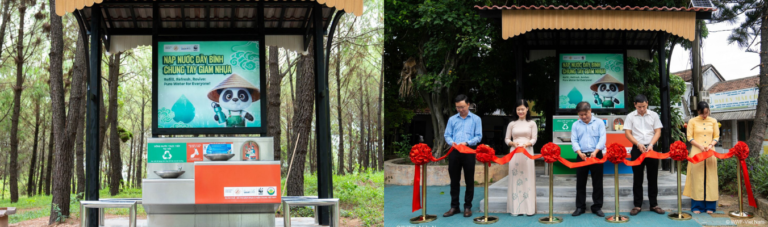
Plastic-Free Drinking Water can reduce the plastic bottle water consumption. Read more: https://plasticsmartcities.org/plastic-free-drinking-water/

In cooperation with Greenpeace Austria, Austria’s largest dairy company, Berglandmilch, introduced a refillable one liter glass milk bottle in February 2020 with the aim of reducing packaging waste. Customers pay a deposit of EUR 0.22 cents per bottle, which they get back when returning the bottles. The reusable milk bottles can be returned via the deposit return machines of trading partners throughout Austria. Instead of being seen as an inconvenience, the change in packaging actually resulted in an increase in sales.

Berglandmilch invested around EUR 8 million to convert its packaging sites in Aschbach in Lower Austria and Wörgl in Tyrol, introducing an additional glass-filling plant, a washing facility and warehouses for glass bottles. In addition to the one liter milk bottle, other reusable products, such as a half-litre reusable bottle, low-fat milk in reusable bottles as well as yoghurt in reusable glasses as also planned.

Read more: Seas at Risk.org

An increasing number of cities are encouraging parents to invest in washable nappies by offering subsidies. Using washable nappies not only represents financial savings for families, but also greatly reduces the waste caused by disposable nappies.

Read more: https://plasticsmartcities.org/reuse-models/

In 2016, Franco-Danish former export manager Frederic Hamburger made history by opening LØS market, the first packaging-free supermarket in Denmark. Here, products are sold without any single-use packaging, so shoppers need to bring their own containers, borrow free containers or buy reusables container in the store.

Read more: https://plasticsmartcities.org/reuse-models/

Danish company Pack and Sea has operated a tracking system for reusable fishing crates since 2008. Key to the tracking system’s success and sustainability is a cooperation between ten Danish harbors, which has made it possible for the harbors to rent the same green crates.

Read more: https://plasticsmartcities.org/reuse-models/

Loop is a global circular shopping platform designed to eliminate the idea of waste by transforming the products and packaging of everyday items from single-use to durable, multi-use, feature-packed designs.

Read more: https://plasticsmartcities.org/reuse-models/

The Universal Reusable Bottle model entails the collection, cleaning and reuse of bottles across industry by any participating brand.

Read more: https://plasticsmartcities.org/reuse-models/

Recircle is a Swiss social enterprise funded in 2016 to provide a sustainable alternative to disposable containers for food to go: a system of reusable lunch boxes that restaurants can offer on a deposit scheme. So far, 70,000 Recircle boxes are being used by more than 400 restaurants in Switzerland and in Stuttgart, Germany. Receiving direct support from municipalities fosters Recircle’s outreach, by increasing the project’s credibility and consistency.

Read more: https://plasticsmartcities.org/reuse-models/

Globelet builds technology enabled systems that produce reusable products that are trackable and can be linked back to their factories to be washed and reused. From branded reusable cups and water bottles to coffee cups and stemless wine cups, any event can end single-use plastic drinking products in favor of reuse.

Read more: https://plasticsmartcities.org/reuse-models/

RePack offers a reusable and returnable packaging solution for retailers, replacing single-use delivery materials with durable bags made from recycled content, designed for at least 40 use cycles.

Read more: https://plasticsmartcities.org/reuse-models/

Case Study on Reuse and Refill

Reuse and Refill

Closing the Loop on Takeaway Packaging in Hong Kong

Hong Kong SAR

Reuse and Refill

Hue Makes
Tourism Sustainable

Viet Nam

Related Reports and Publications

These resources on reuse and refill include materials developed by WWF as well as external sources.

Towards Circular Systems Lessons Learned Plastic Smart Cities_Featured Image
Towards Circular Systems: Lessons Learned Plastic Smart Cities
Mitigating Marine Plastic Debris in VIET NAM
Mitigating Marine Debris in Viet Nam Program Report
Packaging reuse at events Portfolio of case studies
ICLEI | Packaging Reuse at Events: Portfolio of Case Studies
Circular Approaches to Solid Waste Management
ESCAP | Circular Approaches to Solid Waste Management
Reuse in Asia
GAIA | Unpacking Reuse in Asia
REUSE IN THE GLOBAL SOUTH CASE STUDY
WWF | Reuse in the Global South: Case Studies
Guidelines for Improving Partner Performance in Reducing Plastic Waste Leakage
WWF-Indonesia | Guidelines for Improving Partner Performance in Reducing Plastic Waste Leakage
Manual on Plastic Waste Reduction using the PAOT Method
WWF-Viet Nam | Manual on Plastic Waste Reduction using the Participatory Action-Oriented Training (PAOT) Method
Reusable Ecommerce Packaging Pilot Report - Feature Image
WWF-Singapore | Reusable E-commerce Packaging Pilot Report
The Plastic Reduction Journey of Hue City
WWF-Viet Nam | The Plastic Reduction Journey of Hue City
Circular Economy in South Africa_ Opportunities for reusable packaging systems and women’s participation (2)
GIZ, ICLEI | Circular Economy in South Africa: Opportunities for reusable packaging systems and women’s participation
Clean Oceans Project Identification and Preparation (COPIP) PILOT PROJECT REPORT
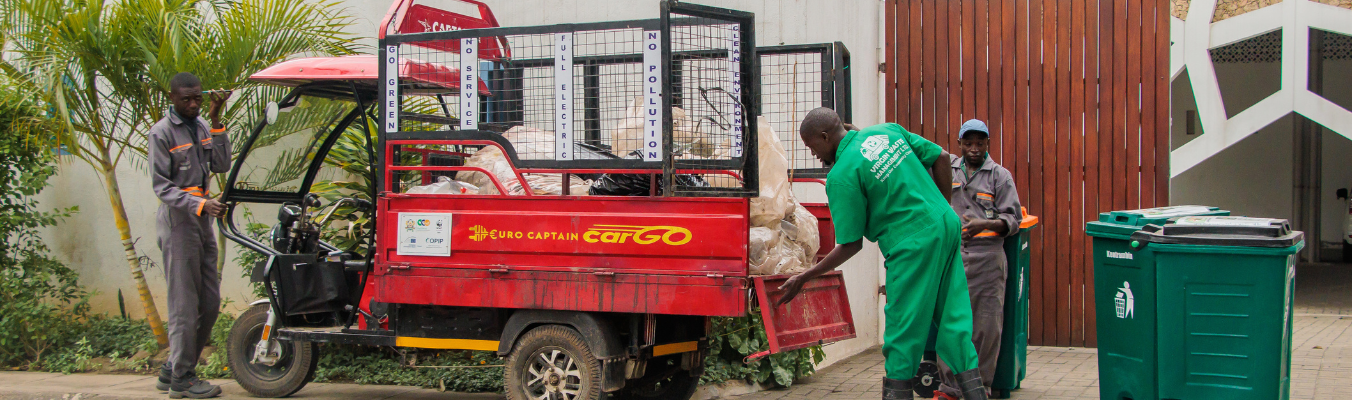
WWF-Kenya | Separation of Waste at Source in Likoni and Mvita, Kenya
Solving Plastic Waste Roadmap for a Sustainable Future
Kearney | Solving Plastic Waste: Roadmap for a Sustainable Future
Waste Wise Cities Tool
UN-Habitat | Waste Wise Cities Tool
CLEAN PORTS, CLEAN OCEANS LESSONS LEARNED FROM ADDRESSING PLASTIC POLLUTION IN THE PHILIPPINES
WWF-Philippines | Clean Ports, Clean Oceans: Lessons learned from addressing plastic pollution in the Philippines
Webinar Cities and Businesses Tackling the Tourism Plastic Crisis (2)
WWF | Cities and Businesses Tackling the Tourism Plastic Crisis
RISING TIDES III
WWF | Rising Tides III: Citizens around the world demand strong rules to end plastic pollution
RISING TIDES
WWF | Rising Tides: Global Opinion on Actions to Stop Plastic Pollution in 28 Countries
REPORT - Putting and end to plastic pollution
WWF | Putting an End to Plastic Pollution
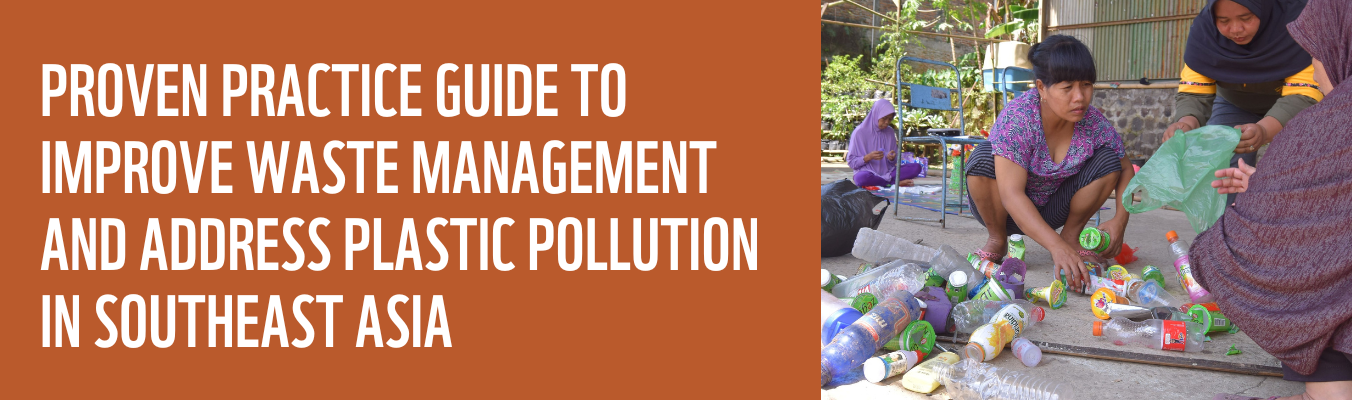
PROVEN PRACTICE GUIDE to Improve Waste Management and Address Plastic Pollution in Southeast Asia
Proven Practice Guide to Improve Waste COBSEA, COBSEA, UNEP | Management and Address Plastic Pollution in Southeast Asia
PACT Impact 2022 - Feature Image
WWF-Singapore | PACT Impact Report 2022
REPORT - Extended Producer Responsibility (EPR) Scheme Assessment for Plastic Packaging Waste in the Philippines
WWF-Philippines | Extended Producer Responsibility (EPR) Scheme Assessment for Plastic Packaging Waste in the Philippines
City Playbook - Building a reuse city
World Economic Forum | City Playbook: Building A Reuse City
REPORT - assessing the relevance of the eu directive on single-use plastics
WWF | Assessing the relevance of the EU directive on single-use plastics

Reducing and reusing plastic is a crucial strategy in tackling the growing problem of plastic waste. By emphasizing the reduction of plastic usage, particularly single-use plastics, and promoting the adoption of reusable alternatives, we can significantly minimize plastic consumption and waste generation.

The Problem

Despite the undeniable environmental benefits, the widespread adoption of reducing and reusing plastic has not become mainstream for various reasons. 

One obstacle is the convenience-oriented culture that promotes the use of single-use plastics. 

Consumers often prioritise convenience and immediate gratification over sustainability, leading to continued demand for disposable plastic products. Additionally, the availability and accessibility of affordable reusable alternatives remain limited in many regions, making it challenging for individuals to make the switch. 

Lack of awareness and education about the detrimental effects of plastic waste further hinders behavioural changes. Moreover, some industries heavily rely on disposable plastics, making it difficult for them to shift to more sustainable practices without significant operational and financial challenges.

Potential Solutions

Collective effort is required. Including comprehensive public awareness campaigns, policy incentives that promote reusable alternatives, and collaboration between governments, industries, and consumers to foster a more sustainable and environmentally conscious mindset.

Another way to reduce waste is by adopting a more sustainable lifestyle. For instance, choosing more durable and long-lasting goods will prevent waste accumulation from our everyday use. One of the most common ways to achieve this is by avoiding single-use plastic items.

On a larger scale, waste reduction strategies can be applied on business systems as waste prevention strategies. Employing waste prevention strategies can effectively reduce the volume of waste that must be managed, placing less strain on local waste collection and management programs. Waste prevention includes Avoidance – eliminating the need for a product or material; Source Reduction – eliminating waste and pollution at source through process changes; and Direct Re-use/Prolonging Use – extending product life, serving as a diversion of waste flows.

Reuse extends product and material life-cycles, to reduce the waste stream. Innovative reuse models can unlock significant benefits, enabled by digital technologies and shifting user preferences. Such models can help deliver a superior user experience, customize products to individual needs, gather user insights, build brand loyalty, optimize operations, and save costs.

Check out these other WWF-supported plastic waste reduction tools or resources:

Case Studies

qtq80-NiKvPS
Plastic-Free Drinking Water
qtq80-NHhqTx
Plastic Sachet Alternatives
qtq80-jZo7SY
Loop

Related Stories

Indonesia Youth Sustainability Index Report 2025 launch
Malaysia - Empowering Island Communities for Plastic Free Seas in Semporna
Viet Nam_Hue Leads the Way Schools, Communities, and Tourists Unite for a Plastic-Free Future
Indonesia Youth Sustainability Index Report 2025 launch
WWF-Indonesia & YouthLab Indonesia Launches Youth Sustainability Index Report 2025
Malaysia - Empowering Island Communities for Plastic Free Seas in Semporna
Empowering Island Communities: Community-led Waste Management Plans in Action
Viet Nam_Hue Leads the Way Schools, Communities, and Tourists Unite for a Plastic-Free Future
From Classrooms to Coastlines: Schools, Communities, and Tourists Unite Against Plastic Pollution
Bogor Commitment to Combat Plastic Waste in traditional market
Bogor’s Plastic Smart Cities Project Targets Traditional Markets to Reduce Plastic Pollution
Addressing Plastic Pollution In Malaysia (3)
Sabah Symposium Rallies Support from Businesses, CSOs and Youths in Addressing the Plastic Pollution Crisis
HUE TOURISM RECAP
Hue’s Tourism Sector Takes Action to Reduce Single-Use Plastics
Hue City water refill
Reducing Single-Use Plastic Bottles: Viet Nam’s Hue City Increases Water Refill Stations in Heritage Sites
TH PACT
Plastic Smart Cities in Thailand Engages Food Delivery Sector to Reduce Single-Use Plastic
PACT WORKSHOP IN THAILAND
Milestone Achieved in Thailand: Plastic ACTion Workshops Lead the Way to Sustainability
Webinar Cities and Businesses Tackling the Tourism Plastic Crisis (2)
WWF | Cities and Businesses Tackling the Tourism Plastic Crisis