


Behavioural Change

Behavioural Change for Plastic Reduction

Behavioural change in habits related to the use, disposal, and consumption of plastic products involves encouraging people to adopt more sustainable practices, make conscious choices, and adopt responsible behaviours to minimise plastic waste generation and promote environmentally-friendly alternatives.

People’s behaviour, especially as consumers, plays an important role in plastic production and consumption. The demand for convenience among consumers has contributed to a significant increase in the consumption of single-use products, which, in turn, contributes to substantial plastic consumption and pollution.

Waste prevention depends fundamentally on changes in the attitudes and behaviour of individuals and businesses, and on a transformative shift in industrial processes and product design. This refers to practical actions that reduce the quantity of materials prior to materials and products becoming waste.
Awareness and Education: Raising awareness about the environmental impact of plastic waste and educating individuals about the benefits of reducing, reusing, and recycling plastic is essential. Informing people about the consequences of single-use plastics and providing knowledge on sustainable alternatives can help change perceptions and attitudes.

Encouraging Responsible Consumption: Promoting conscious consumer choices, such as opting for reusable products, refusing unnecessary single-use plastics, and supporting businesses that prioritize sustainable packaging, can drive behavioral change. Emphasizing the importance of considering the lifecycle of products and their environmental impact can motivate individuals to make more environmentally friendly choices.

Social Norms and Peer Influence: Leveraging the power of social norms and peer influence can drive behavioral change. Highlighting positive role models, sharing success stories, and fostering a sense of collective responsibility can motivate individuals to align their behaviors with sustainable practices.

The Participatory Action-Oriented Training (PAOT) is a practical method that fosters grassroots initiatives and bases on self-help voluntary actions that enable local people to implement immediate improvements in occupational health and safety and working conditions by using available local resources (manpower and materials).

For more info, visit: https://plasticsmartcities.org/manual-on-plastic-waste-reduction-using-the-paot-method/

We Use is a Hong Kong-based service that offers reusable tableware rental and cleansing for large-scale events, helping individuals and businesses reduce plastic waste generated from single-use cutlery. Operating exclusively in Hong Kong, the initiative addresses the growing problem of plastic pollution at events, where recycling efforts often fall short due to systemic inefficiencies and poor market conditions. By replacing disposables with high-quality washable alternatives, We Use has successfully diverted over 270,000 pieces of single-use tableware from landfills across more than 300 events, contributing to a more circular and sustainable event culture.

Visit: https://en.weuse.hk/

Bye Bye Plastic Bags (BBPB) is a youth-led global movement that began in Bali in 2013 to combat the environmental devastation caused by single-use plastic bags, which contribute to ocean pollution and harm wildlife. Founded by sisters Melati and Isabel Wijsen, BBPB empowers young changemakers through education, advocacy, and community engagement—delivering school workshops, organizing beach clean-ups, distributing over 35,000 alternative bags, and lobbying governments. With over 50 teams worldwide, BBPB has reached tens of thousands of students across 22+ countries, inspiring a new generation to envision a plastic bag–free future and take tangible action toward it.

Visit: https://www.byebyeplasticbags.org/

The POP Ocean Initiative, which was launched during the “Perils of Sea Level Rise” session at the Second World Sustainable Development Forum 2020, serves as an innovative new model International Ocean Cleanup Day and Launch of the Youth-Led Ocean Action and Advocacy Workshop for ocean action to stimulate youth-led marine conservation efforts through education and mentorship. The initiative aligns with the United Nations’ Sustainable Development Goals, specifically SDG 6 (Clean Water and Sanitation), SDG 13 (Climate Action), SDG 14 (Life Below Water), SDG 15 (Life on Land), and SDG 17 (Partnerships for the Goals). As part of POP Ocean’s effort to build capacities of young ocean advocates, it will launch the Youth-Led Ocean Action and Advocacy Workshop on September 19, 2020, which also marks International Ocean Cleanup Day.

Visit: https://thepopmovement.org/pop-ocean/

Case Study on Behavioural Change

Behavioural Change

Zero Waste Schools
in Indonesia

Indonesia

Behavioural Change

Pak Meng School
Cashes in on Waste

Thailand

Behavioural Change

Con Dao Schools
Go Plastic-Free

Viet Nam

Behavioural Change

Plastic Waste Free Schools Model in Viet Nam

Viet Nam

Related Reports and Publications

These resources on behavioral change include materials developed by WWF as well as external sources.

Indonesia Youth Sustainability Index Report 2025
WWF-Indonesia | Indonesia Youth Sustainability Index Report 2025
Towards Circular Systems Lessons Learned Plastic Smart Cities_Featured Image
Towards Circular Systems: Lessons Learned Plastic Smart Cities
Behaviour Change Toolbox Methodology
GIZ | Behavioural Change Toolbox Methodology
A Handbook for Developing Plastic Smart Cities in Thailand
WWF-Thailand | A Handbook for Developing Plastic Smart Cities in Thailand
Plastic Ranger
WWF-Indonesia | Plastic Ranger: Educational Board Game About Waste and Plastic
Twister
WWF-Indonesia | Twister: Learning the Different Types of Waste
Matching Board
WWF-Indonesia | Matching Board Game: Learning the Different Types of Waste
TH plastic free school manual - featured image
WWF-Thailand | Thailand Plastic-Free School Manual
Plastic Reduction at School Handbook
WWF-Viet Nam | School Plastic Reduction Handbook
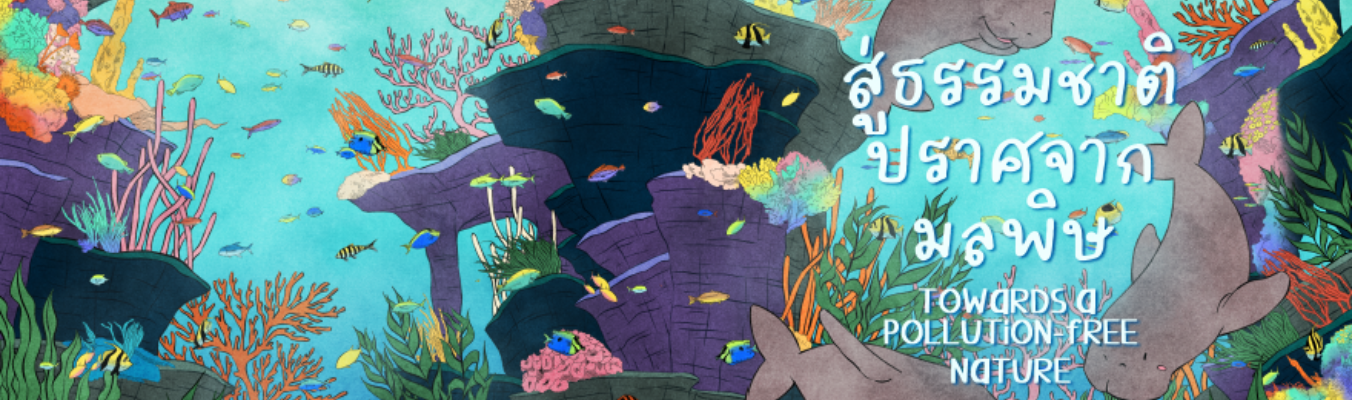
Student Activity Book Towards a Pollution-Free Nature
WWF-Thailand | Student Activity Book: Towards a Pollution-Free Nature
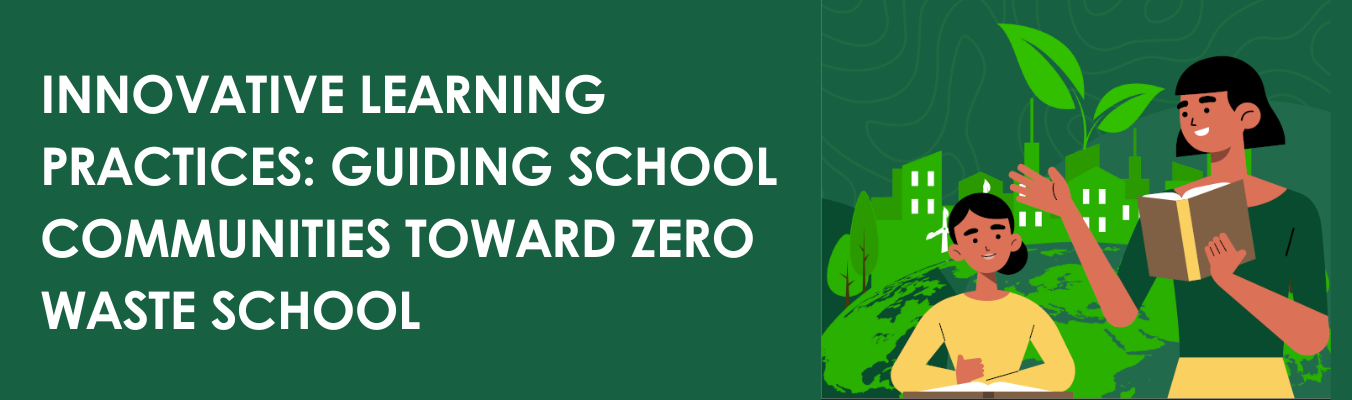
Innovative Learning Practices Guiding School Communities Toward Zero Waste School
WWF-Indonesia | Ideas for Guiding School Communities Towards Zero Waste Schools
Plastic Waste Education Game Set
WWF-Viet Nam | Plastic Waste Education Game Set
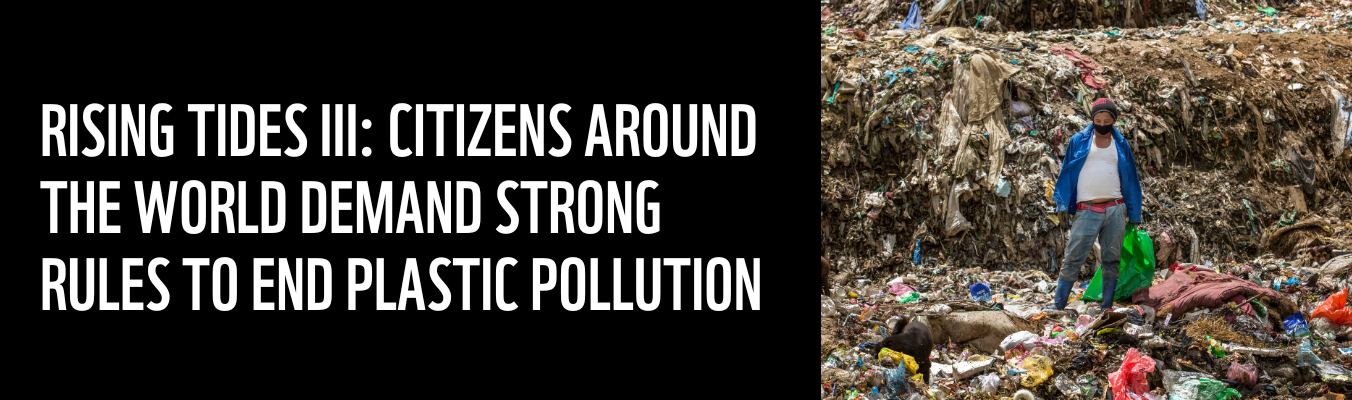
RISING TIDES III
WWF | Rising Tides III: Citizens around the world demand strong rules to end plastic pollution
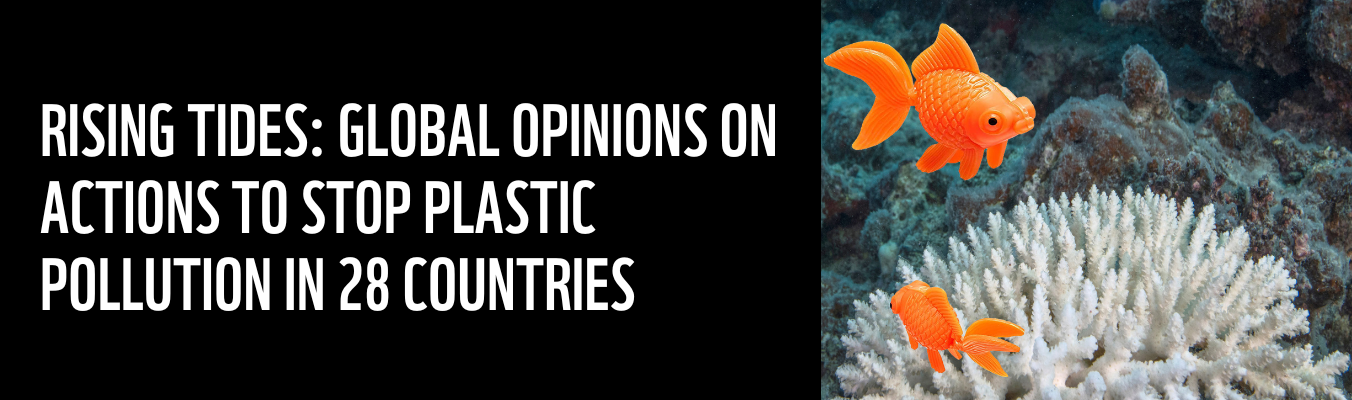
RISING TIDES
WWF | Rising Tides: Global Opinion on Actions to Stop Plastic Pollution in 28 Countries
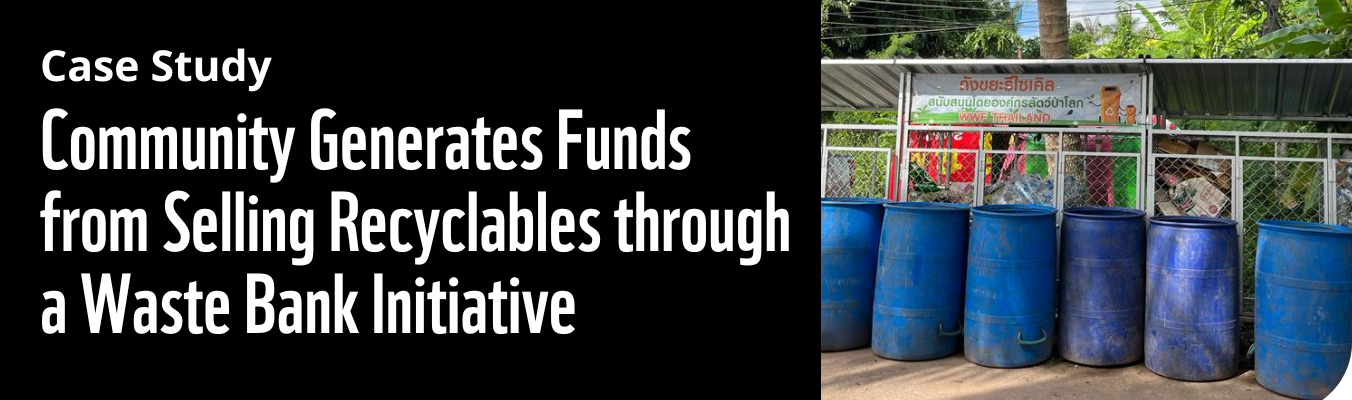
Case Study - Community Generates Funds from Selling Recyclables through a Waste Bank Initiative
WWF | Community Generates Funds from Selling Recyclables through a Waste Bank Initiative
Guide to Reduce Plastic Waste in School
WWF-Viet Nam | Guide to Reduce Plastic Waste in School: An Education Program in Hue City
HOCCI Community Behavior Change
Healthy Ocean and Clean Cities Initiative | Community Behavior Change - Strategy for Plastic Waste Reduction: 10 Key Questions
REPORT - Plastic Waste Module
WWF-Indonesia | Plastic Waste Learning Module (for student)
Sea to Source
National Geographic | Sea to Source Method Toolkit
Comic Mystery on Big Island
WWF-Viet Nam | Plastic Pollution Comic Book

Plastic Smart Cities at Schools for a Sustainable Future

Plastic Smart Cities (PSC) is actively engaging with schools across Southeast Asia to foster awareness and establish plastic waste management among students and teachers. Access innovative learning resources, including stories, guides, and activities developed for education practitioners and students to shape a plastic pollution-free future

Behavioural change in habits related to the use, disposal, and consumption of plastic products involves encouraging people to adopt more sustainable practices, make conscious choices, and adopt responsible behaviours to minimise plastic waste generation and promote environmentally-friendly alternatives.

The Problem

People’s behaviour, especially as consumers, plays an important role in plastic production and consumption.

The demand for convenience among consumers has contributed to a significant increase in the consumption of single-use products, which, in turn, contributes to substantial plastic consumption and pollution.

Waste prevention depends fundamentally on changes in the attitudes and behaviour of individuals and businesses, and on a transformative shift in industrial processes and product design. This refers to practical actions that reduce the quantity of materials prior to materials and products becoming waste. 
Potential Solutions

Awareness and Education: Raising awareness about the environmental impact of plastic waste and educating individuals about the benefits of reducing, reusing, and recycling plastic is essential. Informing people about the consequences of single-use plastics and providing knowledge on sustainable alternatives can help change perceptions and attitudes.

Encouraging Responsible Consumption: Promoting conscious consumer choices, such as opting for reusable products, refusing unnecessary single-use plastics, and supporting businesses that prioritize sustainable packaging, can drive behavioral change. Emphasizing the importance of considering the lifecycle of products and their environmental impact can motivate individuals to make more environmentally friendly choices.

Social Norms and Peer Influence: Leveraging the power of social norms and peer influence can drive behavioral change. Highlighting positive role models, sharing success stories, and fostering a sense of collective responsibility can motivate individuals to align their behaviors with sustainable practices.

Behavioral change is a long-term process that requires consistent efforts from various stakeholders, including governments, businesses, non-governmental organizations, and individuals. It is about creating a shift in attitudes, norms, and behaviors to promote a more sustainable and responsible approach to plastic consumption and waste management. By collectively embracing behavioral change, we can make significant strides in reducing plastic waste and preserving the environment for future generations.

Behavioural Change Approaches

Izmir Case Study
WWF | Transforming Waste Management and Lives in Izmir, Türkiye
Surat Thani Case Study
WWF | Community Generates Funds from Selling Recyclables through a Waste Bank Initiative
qtq80-U8rN7S
Public Awareness
REPORT - Attitudes and Motivations of Women in Waste
WWF | Research Assessment on the Attitudes and Motivations of Women in Waste
REPORT - Plastic Waste Module
WWF-Indonesia | Plastic Waste Learning Module (for student)

Related Stories

Island-based Initiatives on Driving Waste Collection and Recycling in Semporna  
Coastal Communities Drive Waste Collection and Recycling in Semporna Islands 
Island Recycling Centers Enhance Waste Management in Three Islands in Semporna  On Larapan Island...
Read More
Raising Awareness on Plastic Pollution at Luang Prabang’s Boat Racing Festival
Promoting Waste Separation at Source in Luang Prabang
WWF-Laos is actively implementing community-based waste management activities in collaboration with Souphanouvong...
Read More
Malaysia - Empowering Island Communities for Plastic Free Seas in Semporna
Empowering Island Communities: Community-led Waste Management Plans in Action
WWF-Malaysia’s No Plastic in Nature (NPIN) initiative has been working in Sabah with local governments,...
Read More

END-TO-END

Don’t move, We’ll Handle Everything

Lorem ipsum dolor sit amet, consectetur adipiscing elit. Sed auctor turpis eu arcu sagittis, id sagittis justo suscipit.

Our happy customers

We’ve helped thousands of people move

Lorem ipsum dolor sit amet, consectetur adipiscing elit. Sed auctor turpis eu arcu sagittis, id sagittis justo suscipit.

Codey Joyner

UrbanAcres, LLC

5/5

“My move was way less stressful than expected! Movely packed everything, stored it for a week, and moved it all to my new home just as promised!”

Eren Hill

H&H Legal Partners

5/5

“Movely provided a very professional service when we moved offices last month. They were easy to work with and moved everything on time.”

Emanuel Sadler

SavvyMarket

5/5

Best experience ever! I desperately needed a mover to help with a last minute relocation, and Movely was so helpful in making it a seamless process!”