

Sustainable Alternatives

Case Studies on Sustainable Alternatives for Plastic Reduction

Sustainable Alternatives

Thailand’s Businesses
Go Green

Thailand

Sustainable Alternatives

Plastic ACTion
(PACT)

Singapore

Sustainable Alternatives for Plastic Reduction

More content coming soon

Despite clear environmental advantages, the widespread adoption of reuse and refill systems for plastic reduction remains limited due to a culture driven by convenience, lack of infrastructure, and low consumer awareness. Many individuals still opt for single-use plastics because refillable options—such as bulk dispensers, reusable containers, and returnable packaging—are often inaccessible, unaffordable, or unfamiliar. Industries reliant on disposables also face logistical and financial hurdles in transitioning to circular models. Without systemic support and education, the shift toward reuse and refill remains a promising but underutilized solution to plastic pollution.

Reducing plastic waste and fostering sustainability requires a collective effort across society, including public awareness campaigns, supportive policies, and collaboration among governments, industries, and consumers.

Individuals can contribute by adopting more sustainable lifestyles, choosing durable goods and avoiding single-use plastics, while businesses can implement waste prevention strategies such as avoidance, source reduction, and direct reuse to ease pressure on waste management systems.

Reuse and refill models, especially when supported by digital innovation and evolving consumer preferences, offer powerful opportunities to extend product lifecycles, reduce environmental impact, and enhance user experience, brand loyalty, and operational efficiency.

Reusable containers and packaging offer a powerful solution to the environmental and economic challenges posed by single-use plastics, with potential benefits for individuals, businesses, industries, and governments. By replacing just 20% of single-use plastic packaging globally, reuse models could unlock at least USD 10 billion in value while enhancing user experience, brand loyalty, and operational efficiency. These models—ranging from refill-at-home to return-on-the-go—extend product lifecycles, reduce waste, and enable personalization, cost savings, and data-driven insights through digital technologies. As over 350 organizations have recognized, embracing reuse is essential to building a circular economy and tackling plastic pollution at scale.

Visit: https://plasticsmartcities.org/reuse-models/

Cities can dramatically reduce plastic pollution by providing free, accessible drinking water through public fountains and refill stations—empowering individuals, businesses, and governments to shift away from single-use plastic bottles. With over 300 million tonnes of plastic produced annually and a million bottles sold every minute, offering safe tap water and promoting reusable containers is a proven solution to cut waste, lower municipal costs, and build public trust. Polls show that 65% of people would stop buying bottled water if refills were readily available, making urban water access a key strategy for sustainable living and circular economy adoption.

Read more: https://plasticsmartcities.org/plastic-free-drinking-water/

Related Reports and Publication

These resources on reuse and refill include materials developed by WWF as well as external sources.

Towards Circular Systems Lessons Learned Plastic Smart Cities_Featured Image
Towards Circular Systems: Lessons Learned Plastic Smart Cities
Mitigating Marine Plastic Debris in VIET NAM
Mitigating Marine Debris in Viet Nam Program Report
Packaging reuse at events Portfolio of case studies
ICLEI | Packaging Reuse at Events: Portfolio of Case Studies
Circular Approaches to Solid Waste Management
ESCAP | Circular Approaches to Solid Waste Management
Reuse in Asia
GAIA | Unpacking Reuse in Asia
REUSE IN THE GLOBAL SOUTH CASE STUDY
WWF | Reuse in the Global South: Case Studies
Guidelines for Improving Partner Performance in Reducing Plastic Waste Leakage
WWF-Indonesia | Guidelines for Improving Partner Performance in Reducing Plastic Waste Leakage
Manual on Plastic Waste Reduction using the PAOT Method
WWF-Viet Nam | Manual on Plastic Waste Reduction using the Participatory Action-Oriented Training (PAOT) Method
Reusable Ecommerce Packaging Pilot Report - Feature Image
WWF-Singapore | Reusable E-commerce Packaging Pilot Report
The Plastic Reduction Journey of Hue City
WWF-Viet Nam | The Plastic Reduction Journey of Hue City
Circular Economy in South Africa_ Opportunities for reusable packaging systems and women’s participation (2)
GIZ, ICLEI | Circular Economy in South Africa: Opportunities for reusable packaging systems and women’s participation
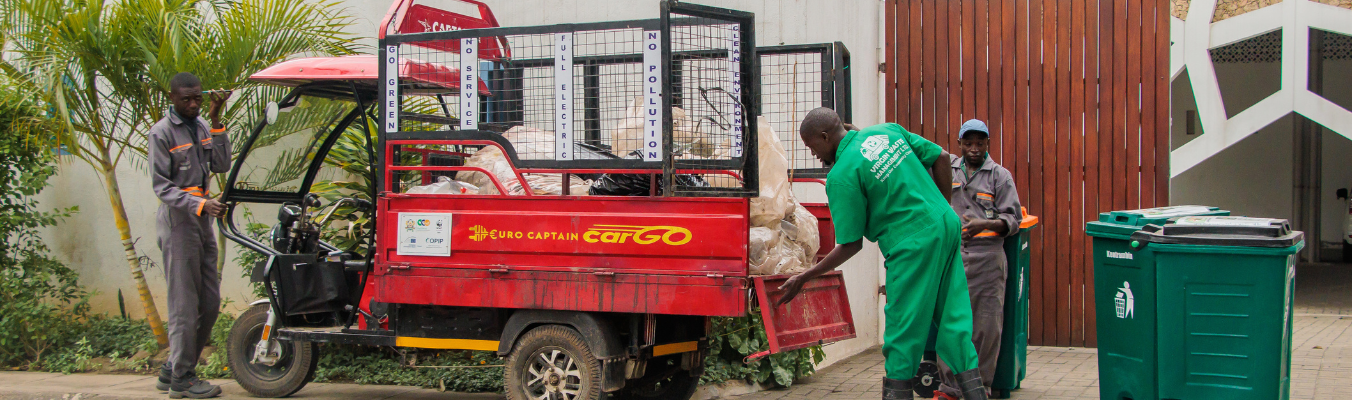
Clean Oceans Project Identification and Preparation (COPIP) PILOT PROJECT REPORT
WWF-Kenya | Separation of Waste at Source in Likoni and Mvita, Kenya
Solving Plastic Waste Roadmap for a Sustainable Future
Kearney | Solving Plastic Waste: Roadmap for a Sustainable Future
Waste Wise Cities Tool
UN-Habitat | Waste Wise Cities Tool
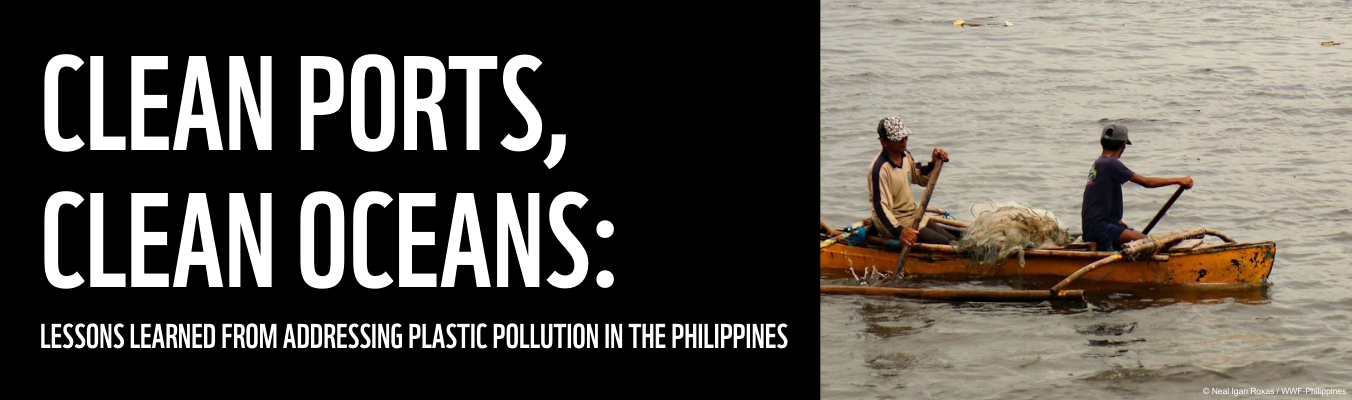
CLEAN PORTS, CLEAN OCEANS LESSONS LEARNED FROM ADDRESSING PLASTIC POLLUTION IN THE PHILIPPINES
WWF-Philippines | Clean Ports, Clean Oceans: Lessons learned from addressing plastic pollution in the Philippines
Webinar Cities and Businesses Tackling the Tourism Plastic Crisis (2)
WWF | Cities and Businesses Tackling the Tourism Plastic Crisis
RISING TIDES III
WWF | Rising Tides III: Citizens around the world demand strong rules to end plastic pollution
RISING TIDES
WWF | Rising Tides: Global Opinion on Actions to Stop Plastic Pollution in 28 Countries
REPORT - Putting and end to plastic pollution
WWF | Putting an End to Plastic Pollution
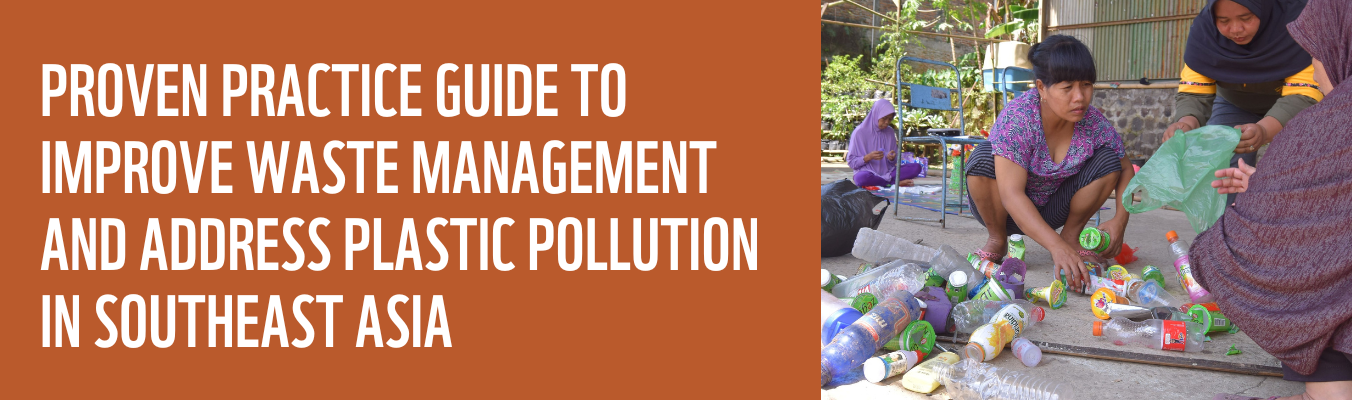
PROVEN PRACTICE GUIDE to Improve Waste Management and Address Plastic Pollution in Southeast Asia
Proven Practice Guide to Improve Waste COBSEA, COBSEA, UNEP | Management and Address Plastic Pollution in Southeast Asia
PACT Impact 2022 - Feature Image
WWF-Singapore | PACT Impact Report 2022
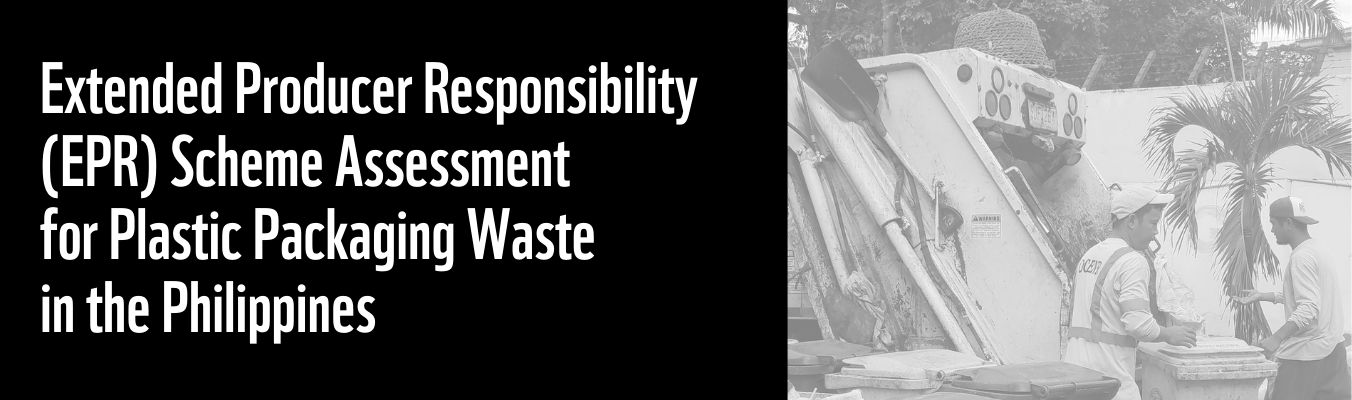
REPORT - Extended Producer Responsibility (EPR) Scheme Assessment for Plastic Packaging Waste in the Philippines
WWF-Philippines | Extended Producer Responsibility (EPR) Scheme Assessment for Plastic Packaging Waste in the Philippines
City Playbook - Building a reuse city
World Economic Forum | City Playbook: Building A Reuse City
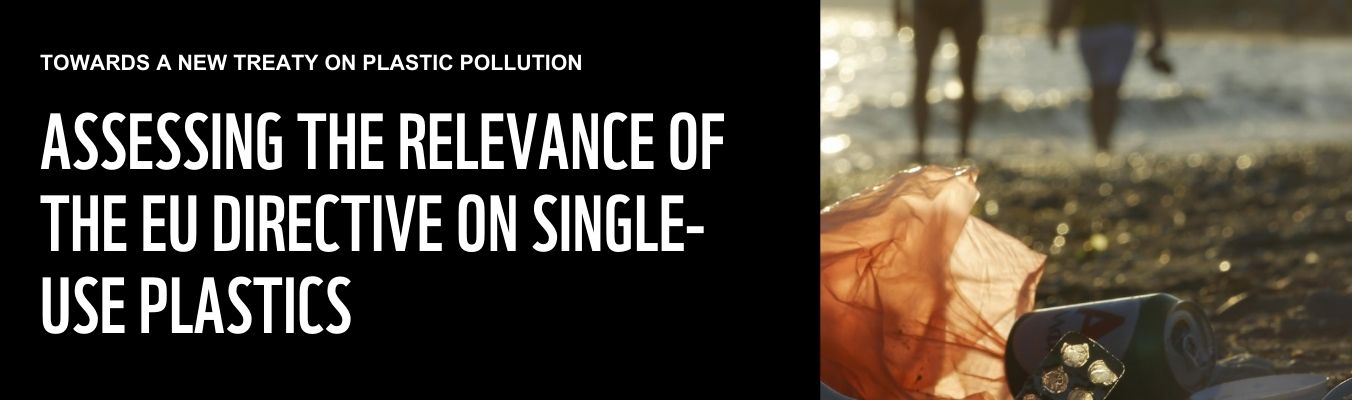
REPORT - assessing the relevance of the eu directive on single-use plastics
WWF | Assessing the relevance of the EU directive on single-use plastics

Reducing and reusing plastic is a crucial strategy in tackling the growing problem of plastic waste. By emphasizing the reduction of plastic usage, particularly single-use plastics, and promoting the adoption of reusable alternatives, we can significantly minimize plastic consumption and waste generation.

The Problem

Despite the undeniable environmental benefits, the widespread adoption of reducing and reusing plastic has not become mainstream for various reasons. 

One obstacle is the convenience-oriented culture that promotes the use of single-use plastics. 

Consumers often prioritise convenience and immediate gratification over sustainability, leading to continued demand for disposable plastic products. Additionally, the availability and accessibility of affordable reusable alternatives remain limited in many regions, making it challenging for individuals to make the switch. 

Lack of awareness and education about the detrimental effects of plastic waste further hinders behavioural changes. Moreover, some industries heavily rely on disposable plastics, making it difficult for them to shift to more sustainable practices without significant operational and financial challenges.