

Community-based Waste Management

Community-based Waste Management for Plastic Collection

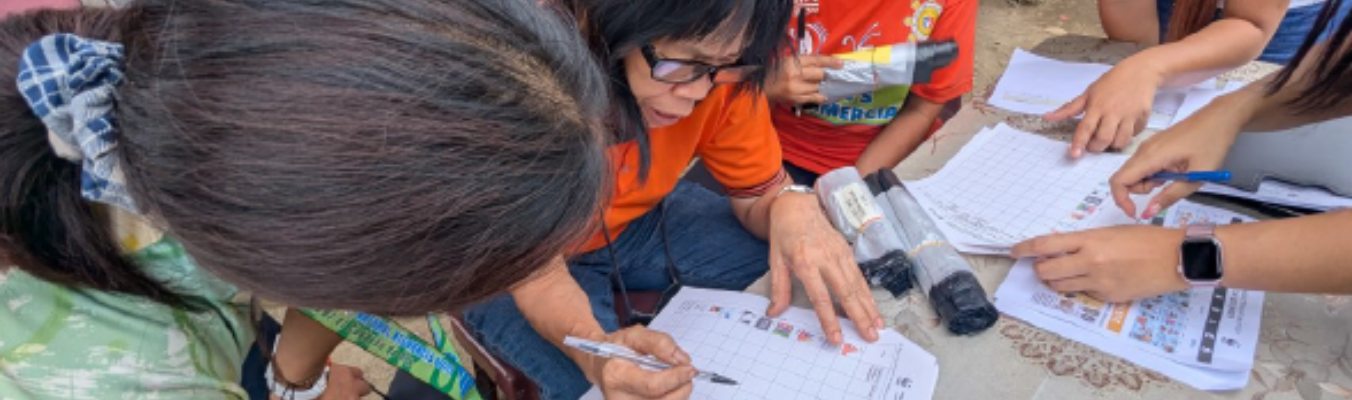
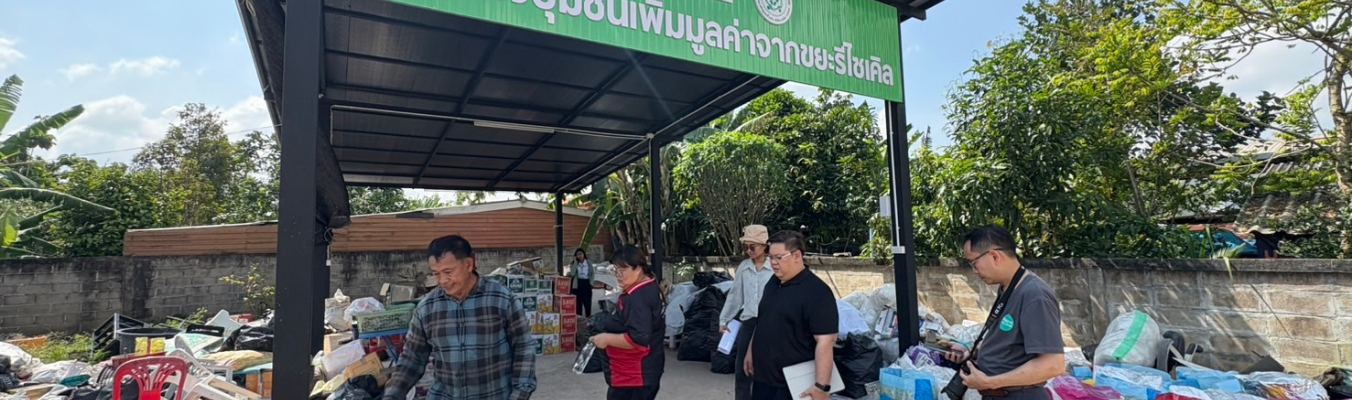
Community-based waste management programmes are community-led initiatives. These can be collaborations between NGOs, government agencies and impacted communities to establish an effective local waste management programme whereby the local communities are empowered to run these programmes independently.

Regular waste collection is taken for granted in wealthier parts of the world, but there are still more than two billion people living in lower and middle income countries without this basic service.

When there is no such service, people resort to dumping or burning their waste close to where they live. These practices are harmful to public health, local economies and the environment, especially in areas near waterways, which prove to be a convenient receptacle for urban waste.
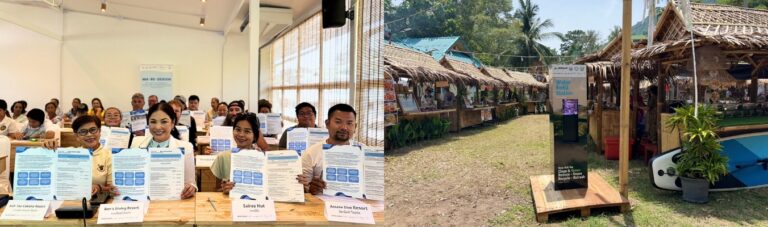
Community-based waste management offers low-cost, effective solutions for waste disposal and recycling in low- and middle-income countries with limited municipal services. By engaging residents in waste tracking, household segregation, composting, and reuse, these programs promote sustainability, reduce pollution, and empower communities to build cleaner, more resilient environments.

Case Studies on Community-based Waste Management

Community-based Waste Management

Rumah Harum: The Last Centralised Waste Bank of Depok

Indonesia

Community-based Waste Management

Kenanga Waste Bank: Building an Integrated System in Bogor

Indonesia

Community-based Waste Management

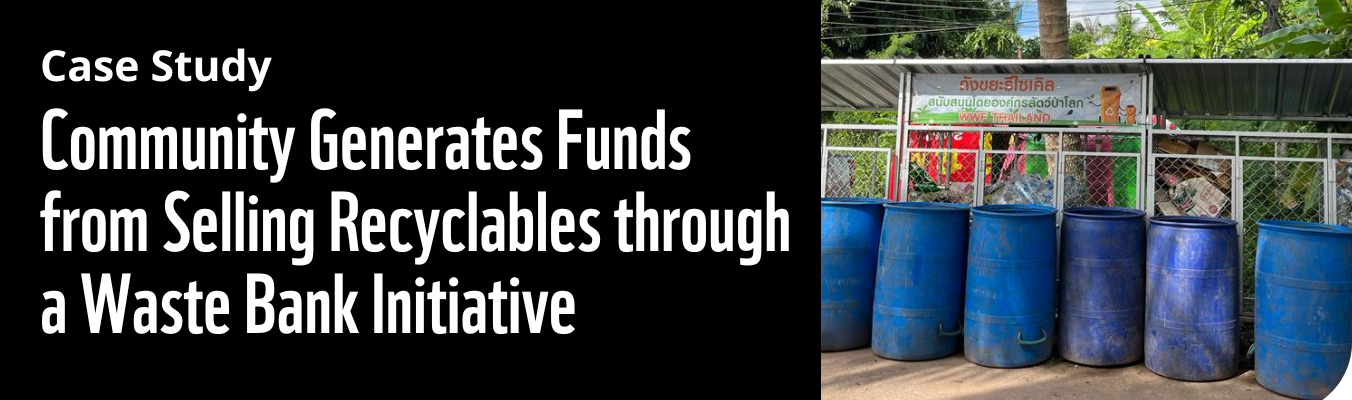
Community Generates Funds from Selling Recyclables

Thailand

Community-based Waste Management

Surat Thani’s Pathway to Waste Bank Success

Thailand

Community-based Waste Management

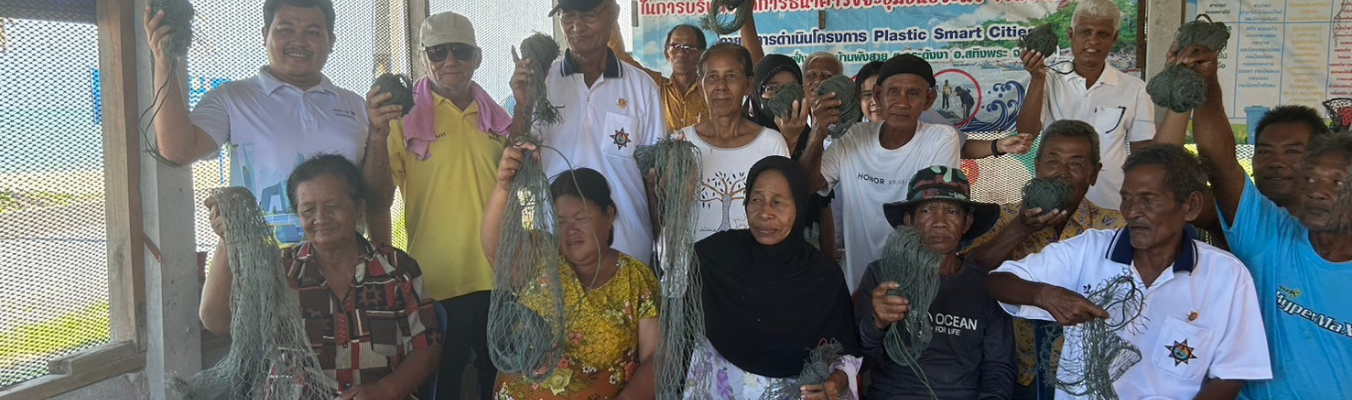
Songkhla’s Fishermen
Reel in Waste

Thailand

Community-based Waste Management

Community Waste Management at Gunung Emas Waste Bank

Indonesia

Community-based Waste Management

Viet Nam Community-based Municipal Solid Waste

Viet Nam

Community-based Waste Management

Viet Nam Material Recovery
Facility Initiative

Viet Nam

Related Reports and Publication

These resources on community-based waste management include materials developed by WWF as well as external sources.

Towards Circular Systems Lessons Learned Plastic Smart Cities_Featured Image
Towards Circular Systems: Lessons Learned Plastic Smart Cities
Mitigating Marine Plastic Debris in VIET NAM
Mitigating Marine Debris in Viet Nam Program Report
A Handbook for Developing Plastic Smart Cities in Thailand
WWF-Thailand | A Handbook for Developing Plastic Smart Cities in Thailand
Rethinking waste and resource management for underserved communities
RWA Group | Rethinking Waste and Resource Management for Underserved Communities
Manual on Plastic Waste Reduction using the PAOT Method
WWF-Viet Nam | Manual on Plastic Waste Reduction using the Participatory Action-Oriented Training (PAOT) Method
The Plastic Reduction Journey of Hue City
WWF-Viet Nam | The Plastic Reduction Journey of Hue City
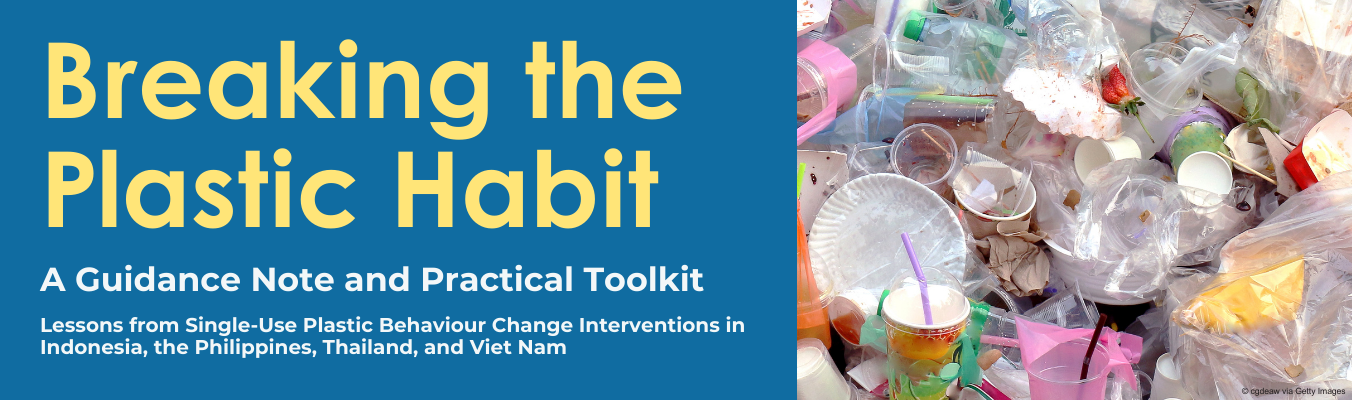
Breaking the Plastic Habit
ERIA | Breaking the Plastic Habit: A Guidance Note and Practical Toolkit
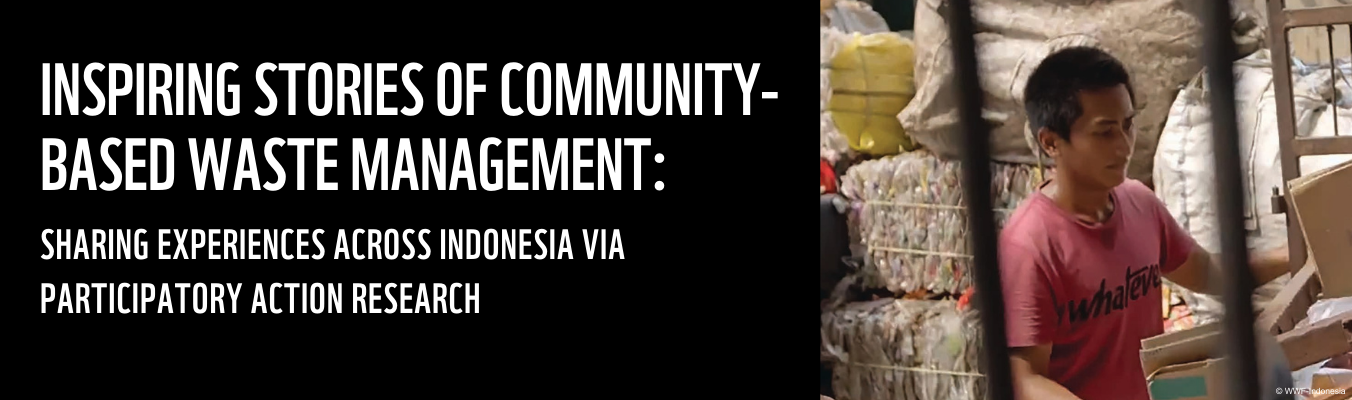
Inspiring Stories of Community-Based Waste Management
WWF-Indonesia | Inspiring Stories of Community-Based Waste Management: Sharing Experiences Across Indonesia via Participatory Action Research
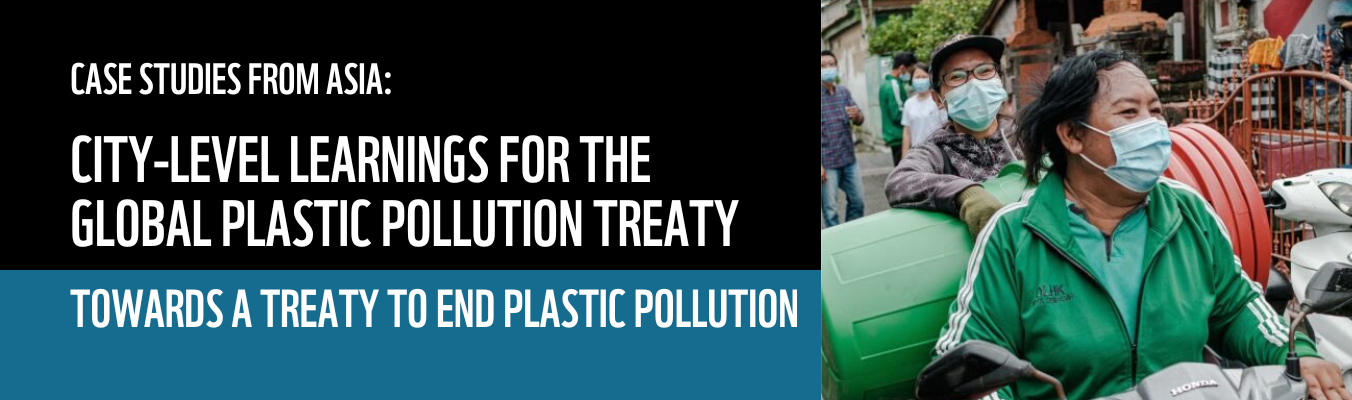
Case Study - CITY-LEVEL LEARNINGS FOR THE GLOBAL PLASTIC POLLUTION TREATY
WWF | Case Studies from Asia: City-Level Learnings for the Global Plastic Pollution Treaty
Case Study - Community Generates Funds from Selling Recyclables through a Waste Bank Initiative
WWF | Community Generates Funds from Selling Recyclables through a Waste Bank Initiative
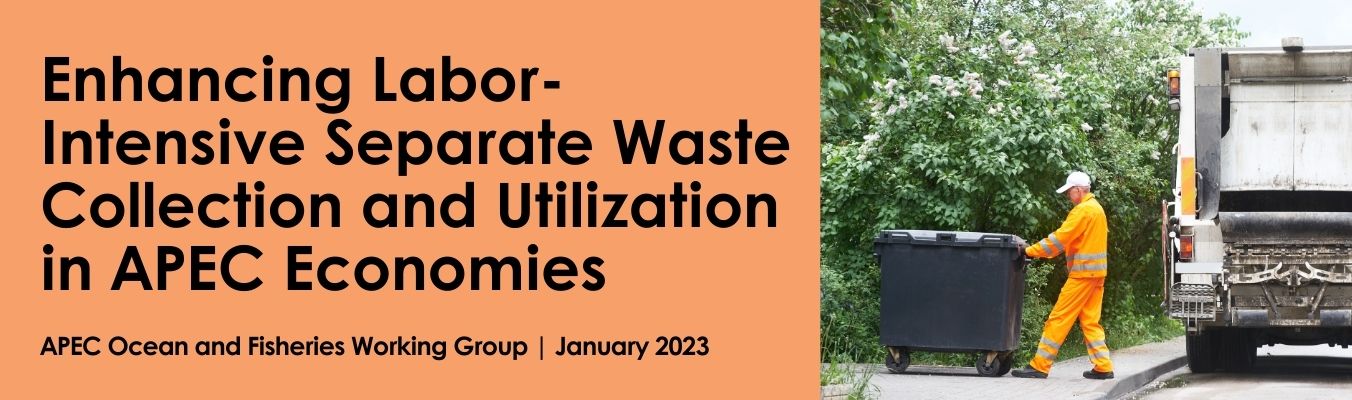
REPORT - Enhancing Labor-Intensive Separate Waste Collection and Utilization in APEC Economies
APEC Ocean and Fisheries Working Group | Enhancing Labor-intensive Separate Waste Collection and Utilization in APEC Economies
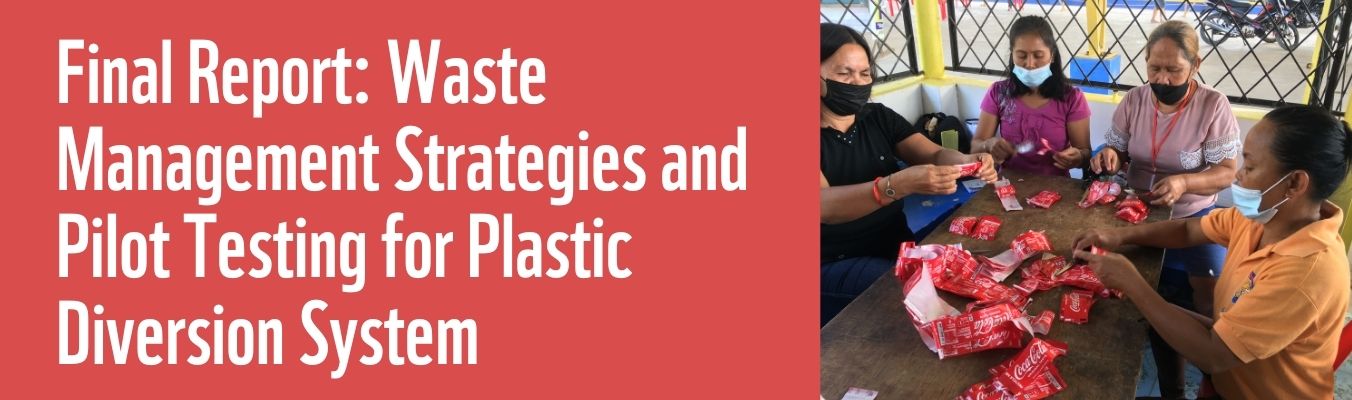
REPORT - Waste Management Strategies and Pilot Testing for Plastic Diversion System
WWF-Philippines | Waste Management Strategies and Pilot Testing

Community-based waste management programmes are community-led initiatives. These can be collaborations between NGOs, government agencies and impacted communities to establish an effective local waste management programme whereby the local communities are empowered to run these programmes independently.

Key Considerations: Community-based waste management programmes often require initial support, guidance and resources from local authorities, NGOs and/or private sector partners.

The Problem

Regular waste collection is taken for granted in wealthier parts of the world, but there are still more than two billion people living in lower and middle income countries without this basic service.

When there is no such service, people resort to dumping or burning their waste close to where they live. These practices are harmful to public health, local economies and the environment, especially in areas near waterways, which prove to be a convenient receptacle for urban waste.
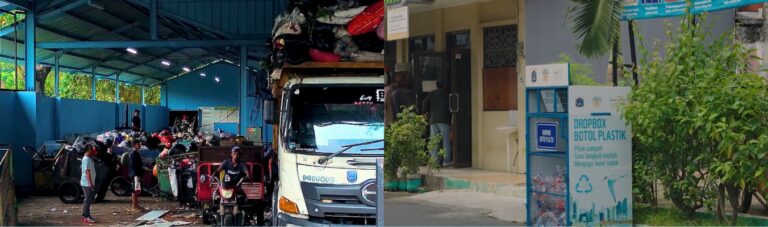
Community-based Waste Management Approaches

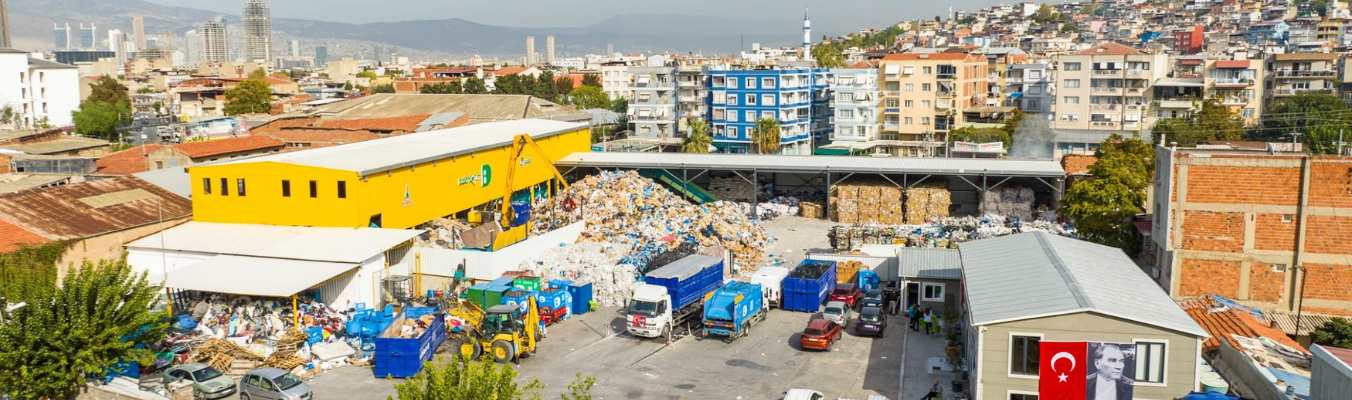
Izmir Case Study
WWF | Transforming Waste Management and Lives in Izmir, Türkiye
Surat Thani Case Study
WWF | Community Generates Funds from Selling Recyclables through a Waste Bank Initiative

Potential Solutions

Community-based waste management programmes offer communities in low and middle-income countries where there is lack of or inadequate municipal waste management services with a community-centric, low-cost and effective waste management system.

Such systems encourage:

  • Direct community-member engagement and accountability
  • Tracking of waste collection and reduction
  • Segregation of waste at the household level
  • On-site utilization of valuable and reusable items
  • Composting of organic waste
  • Collection and transportation of waste to a treatment site by a public collection service. 

Community-based waste management has emerged as a viable and effective approach to address the challenges of waste disposal and recycling. By involving local communities in waste management practices, this decentralized model promotes sustainability, environmental preservation, economic growth, and community empowerment. As more communities adopt this approach, we move closer to building a more sustainable and waste-free future.

Related Stories

Island-based Initiatives on Driving Waste Collection and Recycling in Semporna  
Coastal Communities Drive Waste Collection and Recycling in Semporna Islands 
Island Recycling Centers Enhance Waste Management in Three Islands in Semporna  On Larapan Island...
Read More
Raising Awareness on Plastic Pollution at Luang Prabang’s Boat Racing Festival
Promoting Waste Separation at Source in Luang Prabang
WWF-Laos is actively implementing community-based waste management activities in collaboration with Souphanouvong...
Read More
Malaysia - Empowering Island Communities for Plastic Free Seas in Semporna
Empowering Island Communities: Community-led Waste Management Plans in Action
WWF-Malaysia’s No Plastic in Nature (NPIN) initiative has been working in Sabah with local governments,...
Read More