ERIA, IGES | Plastic Pollution Countermeasures: Effective Global Actions and Case Studies from East Asia
Plastic pollution represents one of the most pressing environmental challenges in Southeast and East Asia, with seven ASEAN+3 nations ranking among the top ten global contributors to annual ocean plastic emissions. To address critical data gaps, low recycling rates, and waste management infrastructure deficits across the plastic value chain, the Economic Research Institute for ASEAN […]
Towards Plastic Smart Islands: Scaling Solutions to Plastic Pollution across the Coral Triangle
For the archipelagic states of the Coral Triangle, encompassing more than 27,000 islands across six nations, plastic pollution presents an immediate existential threat to human health, community livelihoods, and marine biodiversity. While large urban centres generate the highest gross volume of single-use products, isolated coastal hubs bear a disproportionately high environmental burden, frequently struggling with […]
The World Bank, PROBLUE | Technologies and Solutions to Manage Plastic Waste in Small and Remote Islands: Using the Technology Options for Plastic Waste in Island Contexts (TOPIC) Toolbox for Islands in Malaysia
The rapid escalation of global marine plastic pollution has reached a critical breaking point, with ocean-bound plastic waste projected to triple to 29 million tons by 2040. Isolated coastal communities and small islands sit on the absolute frontline of this environmental crisis, facing unique vulnerabilities due to high coastline-to-area ratios, fluctuating tourism spikes, and exorbitant […]
PREVENT Waste Alliance | Ending Plastic Pollution in Small Islands and Remote Coastal Areas
Small island communities and remote coastal areas (SICs) find themselves on the absolute frontline of the global plastic pollution crisis, bearing a disproportionate environmental and financial burden. Due to geographic isolation, limited land availability, and small populations that rule out mainland economies of scale, standard waste management models regularly fail in these fragile ecosystems. In […]
WWF | Marine Plastic Pollution and Its Sources in the Coral Triangle
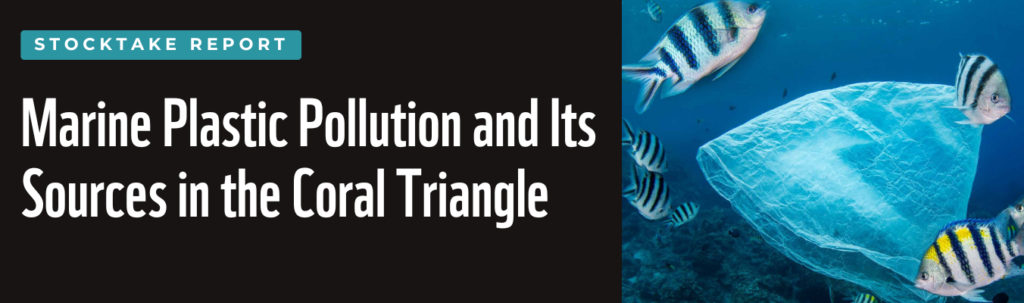
Every year, 11 million tonnes of plastic waste enter the world’s oceans, and this number is projected to increase to 29 million tonnes by 2040. The report “Marine Plastic Pollution and Its Sources in the Coral Triangle” highlights the serious issue of plastic waste in one of the world’s most diverse and delicate marine ecosystems. […]