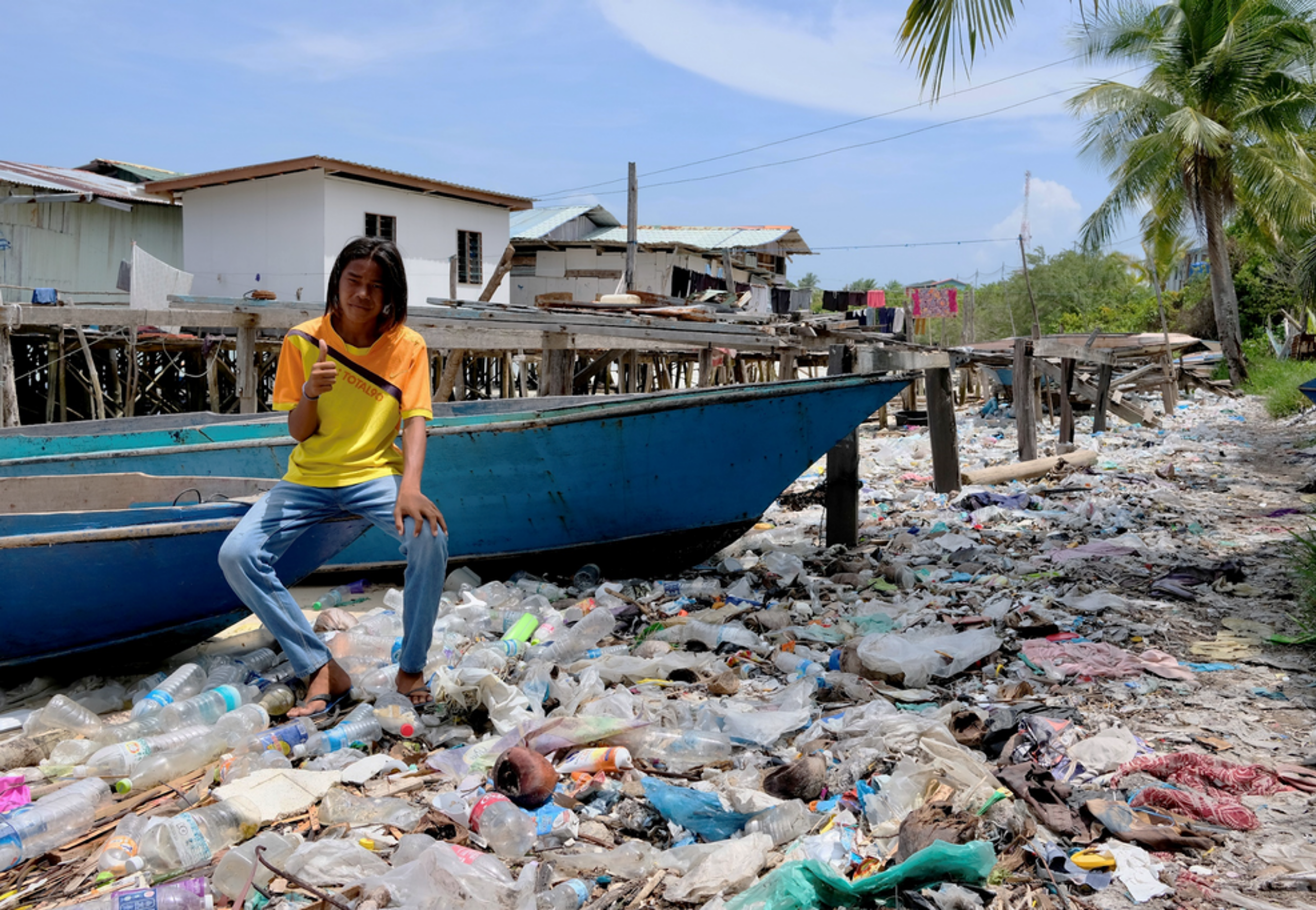
Experts predict that plastic waste leaking into the oceans will triple, reaching an annual 29 million tonnes by 2040. For small islands already struggling with waste disposal, this challenge will be impossible to meet without concerted and systemic efforts. Challenges encountered in small islands and coastal communities can be broken down into the following:
Without urgent and decisive action, plastic pollution will continue to escalate, devastating small island waste systems and threatening ecosystems, human health and well-being.
Using the Plastic Smart Cities framework, Plastic Smart Islands implements multiples initiatives by building capacity, fostering partnerships, and mobilising resources in island-based locations.
To better understand what enables and hinders successful implementation in these settings, WWF with Kolibri conducted a study examining waste management challenges, lessons learned, and approaches from island initiatives. The study identified four thematic factors that support successful implementation of addressing plastic pollution in small islands and coastal communities.
Governance and policy create the enabling environment needed for systemic interventions to succeed. Strong regulatory frameworks, effective enforcement, and long-term policy commitment provide direction for stakeholders and help scale solutions beyond individual projects.
Implement policies preventing avoidable and harmful plastics, promote plastic reduction and strengthen waste management regulations. Prevention must be at the forefront of policy interventions, with regulatory measures phasing out unnecessary single-use plastics, chemicals of concern, and non-recyclable materials.
Strengthen the plastic management value chain through economic instruments, including polluter pays principle, EPR schemes, tourism levies and other mechanism that enhances waste management systems and disincentivize SUP proliferation.
Enhance budget allocation to strengthen infrastructure and improve solid waste management service delivery. Ensuring sustained funding supports both preventive and downstream interventions (including transport), particularly in remote island contexts.
Communities, institutions and local organizations require the knowledge, skills and context-appropriate infrastructure needed to implement and sustain island plastic solutions over the long term.
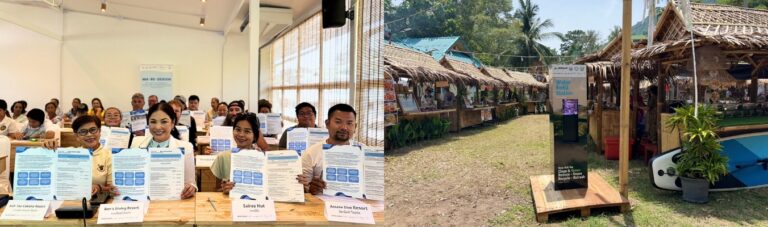
Facilitate knowledge platforms and capacity-building for local organisations or decision-makers for better systems design and technical operations. Training on waste prevention, eco-friendly alternatives, and behavioural shifts is critical for longterm sustainability. Conduct feasibility assessments to determine viability of installing technological solutions such as bailers, MRFs, water filtration systems, etc.
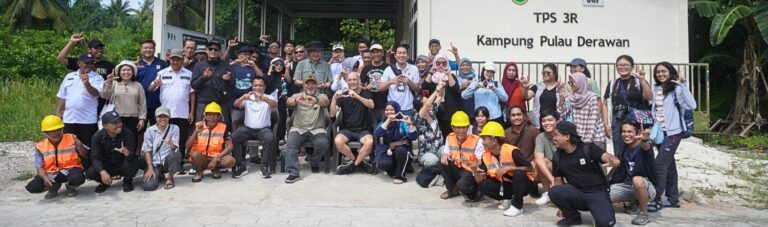
Empower local champions and community leaders to strengthen local ownership, promote waste prevention, and support the implementation of sustainable waste management solutions through local governance structures and culturally appropriate approaches. Community-led initiatives must include reducing plastic consumption at its source, ensuring waste prevention is embedded in everyday practices.
Financial viability is required to address market barriers, including ensuring regular transport, supporting economically viable recovery pathways where appropriate, and integrating waste management into local economic drivers such as tourism and fisheries. Many island waste systems face structural financial challenges due to high transportation costs, limited waste volumes, and restricted access to recycling and recovery markets.
Provide financial incentives and other alternatives to lower the cost of transporting waste and recyclable plastics to offtake markets. Economic
support can help transition away from high-waste models toward circular, reusable alternatives.
Engage development funds and financing to boost circularity, particularly across small islands, MPAs and OECMs. Investments in waste reduction strategies, such as refill stations, alternative materials, and local production models, can reduce dependence on single-use plastics.
Boost collection volumes by partnering with waste generators, waste banks, and other economic drivers in the waste pipeline. Engaging tourism and fisheries industries in reducing and redesigning plastic use is a crucial preventive measure.
To reduce waste generation, strengthen circular systems, and improve the management of unavoidable waste streams, a coordinated multi-stakeholder and cross-sectoral approach is needed. Comprehensive data collection and sharing, which calls for multi-sectoral collaboration, is essential for driving action on transboundary marine debris and the global trade in plastic waste.
Advance collaboration across networks of islands, MPAs and OECMs through transboundary Coral Triangle plastic coordination efforts, focusing on regional solutions and scalable investments.
Ensure robust monitoring and analysis as well as sharing of waste data among stakeholders (e.g. various levels of governments, MPA/OECM, tourism and health authorities, community groups and business associations etc) to avoid any duplication of efforts and strengthen the development of a collective evidence-based waste management plan at the regional level.