Launched in 2018 as one of WWF’s No Plastic in Nature pillars, the Plastic Smart Cities (PSC) initiative has been at the forefront of supporting not only urban but also coastal centres in their mission to eliminate plastic leakage into the environment. Recognising that there is no single solution for plastic pollution, the initiative champions a collaborative strategy that unites diverse stakeholders, from government bodies to local communities, to build resilient waste management systems.
Managing Waste on Islands Context: Plastic Smart Islands
With growing pressure on biodiversity and the impacts faced by islands threatened by plastic leakage, plastic waste management efforts have expanded to collaborate with initiatives that strengthen biodiversity protection in marine protected areas, such as islands. From 11–14 May 2026, the Plastic Smart Islands Regional Learning Exchange took place in Berau and the Derawan Islands, East Kalimantan, Indonesia with a focus on applying the PSC framework in island contexts.
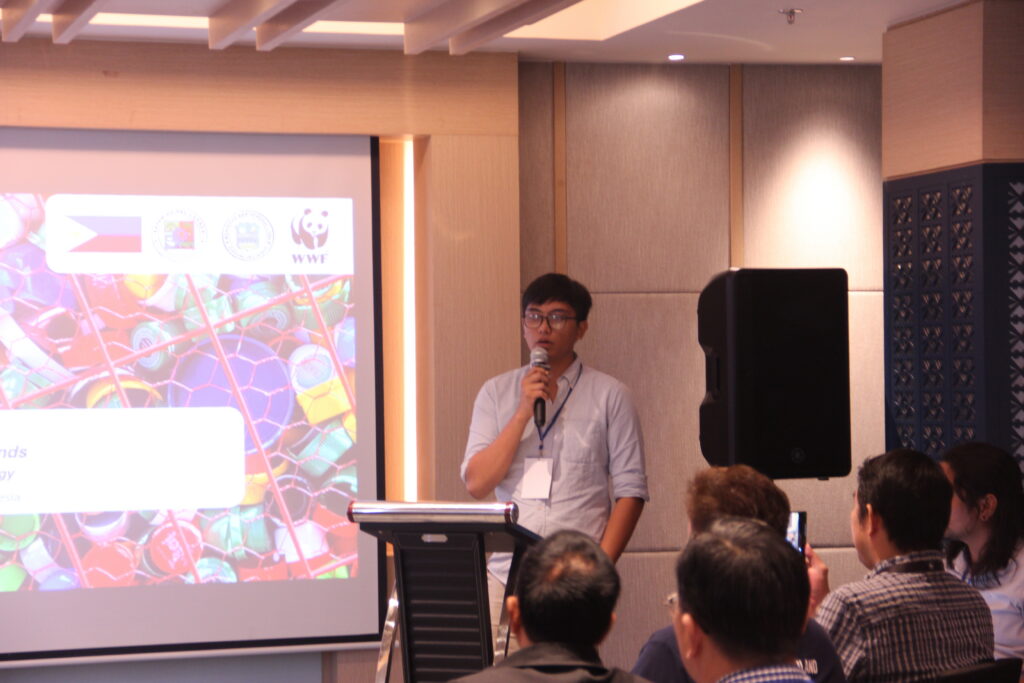
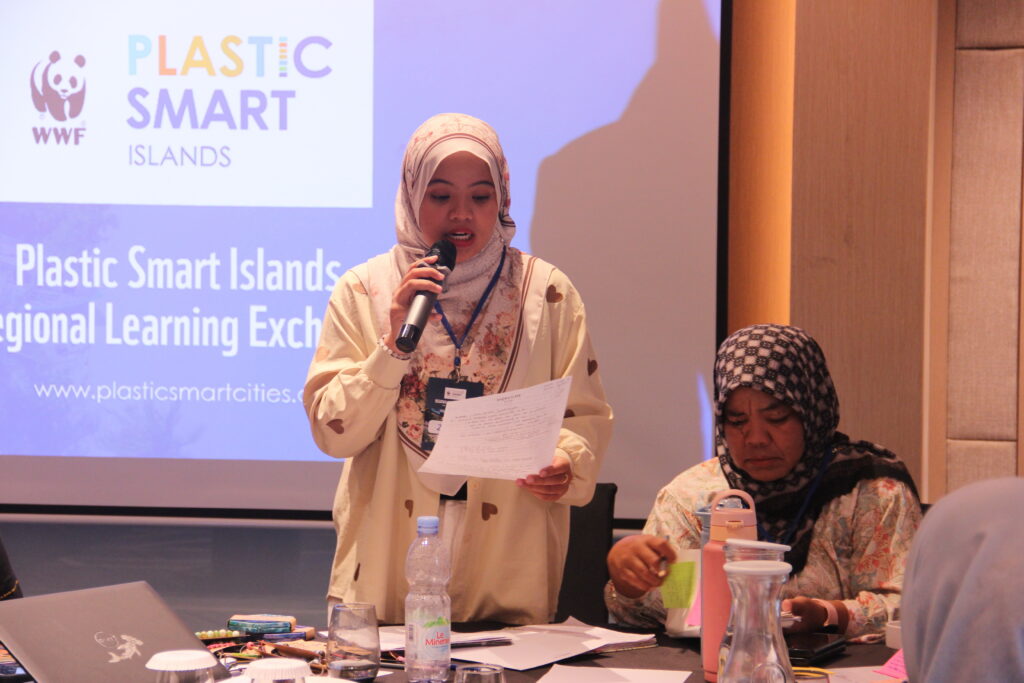
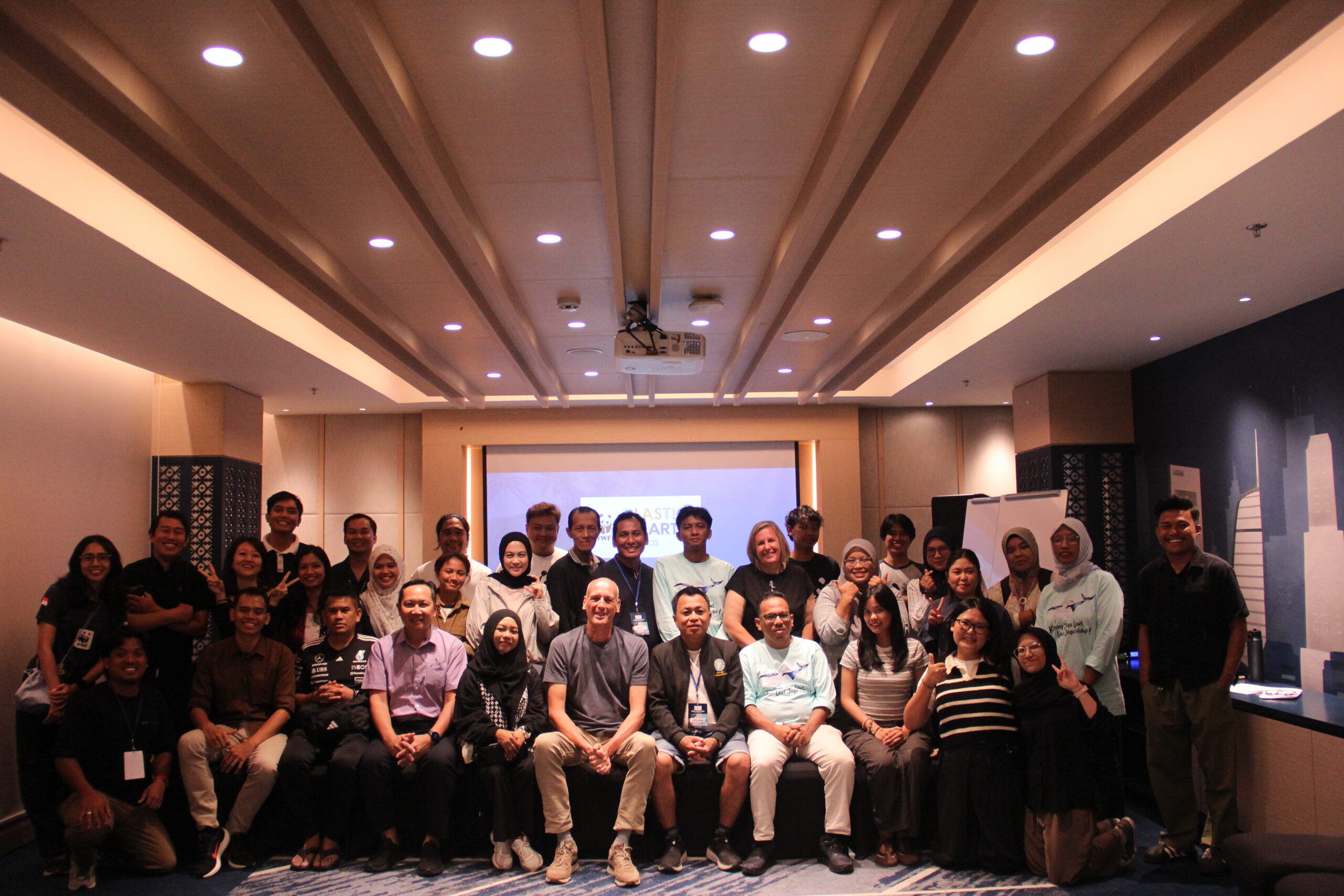
The learning exchange was attended by representatives from several countries working on waste management in their island communities: Derawan and Banda Islands (Indonesia), Siargao (Philippines), Semporna (Malaysia), and Koh Tao (Thailand). Beyond WWF members, the meeting also involved government and community representatives, as well as colleagues from the Coral Triangle Centre, who are running programmes in Banda Neira, Indonesia.
Prior to the learning exchange, a report on Plastic Smart Islands was developed, focusing on waste management challenges, lessons learned, and approaches from island initiatives. The study identified four thematic factors that can support the successful implementation of addressing plastic pollution in small islands and coastal communities:
- Governance & Policy:
- Capacity, Capability & Technology
- Funding, Financing & Access to Market
- Cross-sectoral Collaboration
The learning exchange served as a platform to bridge discussions based on these four factors, especially as Derawan had just launched its Material Recovery Facility and begun piloting waste segregation and collection with the community. Their efforts also run in parallel with work to secure regulatory support from the government. The hope is that these learnings can be applied across each participating country in the future.
The first session focused on the role of local governments in enabling community action, where both government representatives and WWF as well as partner implementors shared their views including challenges, innovations, and examples of ongoing interventions within their respective countries. While coastal areas and small islands generally encounter similar challenges, discussions like this generate valuable insights and diverse perspectives based on their local experiences.
Community-Led Waste Management in Derawan
Derawan Village in East Kalimantan is one of the main gateways for marine tourism, renowned for its rich marine ecosystems. However, the rapid growth of tourism has also increased waste management challenges, increasing threats to the marine conservation area.
In response, the Berau District Government and the Derawan Village Government, in collaboration with WWF-Indonesia, initiated the development of an integrated waste management system through a TPS3R (Waste Processing Facility for Reduce–Reuse–Recycle). This initiative aims to preserve the environment, encourage active community participation, and support sustainable marine tourism. The team also carried out environmental education for schoolchildren and, together with youth members of Plastic Free Ocean Network (PFON), conducted monthly waste monitoring. The programme is expected to serve as a model for waste management in other small islands across Indonesia and more, promoting responsible marine tourism practices.
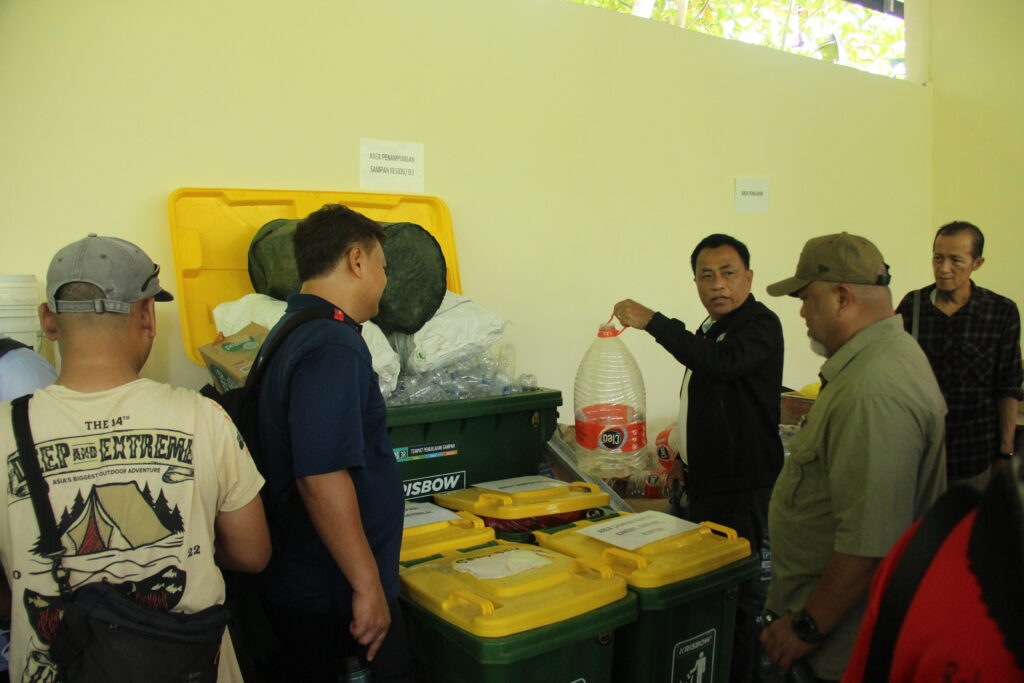
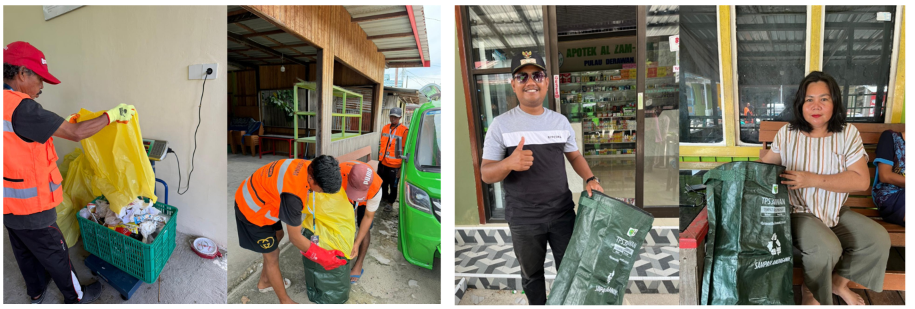
Operational team and the local champions
Read more on the importance of infrastructure development in enhancing the waste management system on islands in the case study linked below
Conclusion: Protecting Biodiversity by Strengthening System and Community Involvement
The lessons learned from initial implementation highlights the need to optimise waste segregation at the source. To achieve this, training was provided to local champions and will also be extended to business owners such as cafés, restaurants, and guesthouses in Derawan, which are significant waste generators. Participants from the learning exchange witnessed that community involvement and support from the local government are an essential enabling factor in creating lasting change. Even though each island community faces unique challenges, they share common pathways in working with the local community to address plastic pollution and protect their marine ecosystems.