Waste Segregation at Home: A Flipchart Module for Solid Waste Management
Household consumption generates the largest share of solid waste, yet many communities lack proper disposal awareness beyond their immediate doorsteps. To combat this critical infrastructure challenge, the Plastic Smart Cities program by WWF-Indonesia, in collaboration with Yayasan Bina Karta Lestari (Bintari), developed a comprehensive community education module titled “Karena Pilah Sampah dari Rumah Itu Mudah!”. […]
Waste Segregation at Home: A Flipchart Module for Solid Waste Management
Household consumption generates the largest share of solid waste, yet many communities lack proper disposal awareness beyond their immediate doorsteps. To combat this critical infrastructure challenge, the Plastic Smart Cities program by WWF-Indonesia, in collaboration with Yayasan Bina Karta Lestari (Bintari), developed a comprehensive community education module titled “Karena Pilah Sampah dari Rumah Itu Mudah!”. […]
Mina’s Story: An Educational Storybook About Plastic Pollution
Published by WWF-Laos under its Plastic Programme, Mina’s Mission is a bilingual (Lao and English) educational storybook designed to empower children and communities to combat plastic pollution through environmental education. Through the story of a young girl named Mina who confronts the real-world hazards of open waste burning, toxic air, trapped wildlife, and storm drain […]
WWF-Laos | Mina’s Story: An Educational Storybook About Plastic Pollution
Published by WWF-Laos under its Plastic Programme, Mina’s Mission is a bilingual (Lao and English) educational storybook designed to empower children and communities to combat plastic pollution through environmental education. Through the story of a young girl named Mina who confronts the real-world hazards of open waste burning, toxic air, trapped wildlife, and storm drain […]
2030 strategy – No Plastic in Nature Initiative: Driving Systems Change in the Global Fight Against Plastic Pollution
Despite growing global awareness, the plastic pollution crisis continues to escalate. More than 30,000 tonnes of plastic leak into our oceans every day, posing increasing threats to ecosystems, economies, and human health. The WWF No Plastic in Nature 2030 Strategy sets out a comprehensive blueprint to stop environmental plastic pollution by transforming the global plastics […]
Perú Circular Game: Education on Proper Solid Waste Management
The “Perú Circular” game was developed under WWF’s Plastic Smart Cities initiative in Peru to make learning about plastic waste reduction engaging and accessible. Language: Spanish Developed within the framework of WWF’s Plastic Smart Cities initiative, the “Perú Circular” educational game provides an engaging trivia experience designed to transform household waste habits and deepen public […]
WWF | Transforming the Plastic Waste Market and Informal Worker Livelihoods in Coastal Kenya
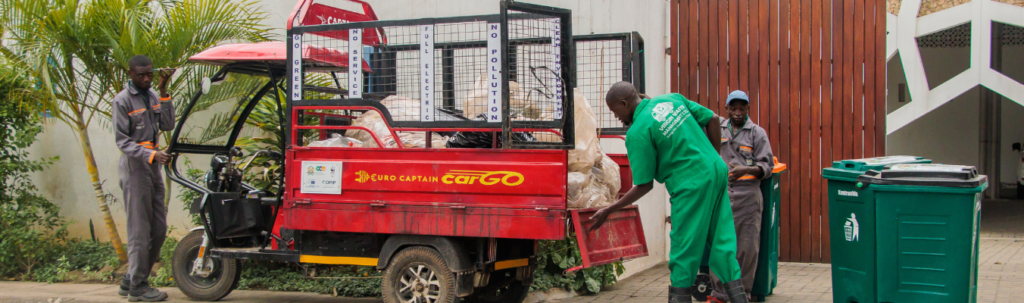
Case Study Kenya: MombasaWWF Involvement: January 2020- December 2024Focus Area: Collection/Recovery and Recycling/Enabling FrameworkPSC Approach: Collection & Separation; Sustainable FinancingSystemic Intervention: Policy Advocacy; Knowledge Strengthening; Systems & Infrastructure For more information, contact: Alex KubasuMombasa, KenyaEmail: akubasu@wwfkenya.org Key Lessons Learned Background Kenya has more than 500,000 tonnes of plastics produced per year, of which only about 15% is recycled. Inadequate solid waste management […]
Transforming the Plastic Waste Market and Informal Worker Livelihoods in Coastal Kenya
Case Study Kenya: MombasaWWF Involvement: January 2020- December 2024Focus Area: Collection/Recovery and Recycling/Enabling FrameworkPSC Approach: Collection & Separation; Sustainable FinancingSystemic Intervention: Policy Advocacy; Knowledge Strengthening; Systems & Infrastructure For more information, contact: Alex KubasuMombasa, KenyaEmail: akubasu@wwfkenya.org Key Lessons Learned Background Kenya has more than 500,000 tonnes of plastics produced per year, of which only about 15% is recycled. Inadequate solid waste management […]
Trash Treasure Tao: A Community Enterprise Piloting Reuse at Events in Koh Tao

Case Study Thailand: Koh TaoWWF Involvement: July 2025 – June 2026PSC Approach: Behavioural Change; Reuse and RefillFocus Area: ReductionSystemic Intervention: City Systems & Planning For more information, contact: Mr. Sarayut Thanasotorn, President Koh Tao, Surat Thani, Thailand Email: trashtreasuretao@gmail.com https://www.trashtreasuretao.com/ Key Lessons Learned Background Koh Tao in Thailand is one of Surat Thani Province’s most important tourism destinations. As tourism and […]
Towards Plastic Smart Islands: Scaling Solutions to Plastic Pollution across the Coral Triangle
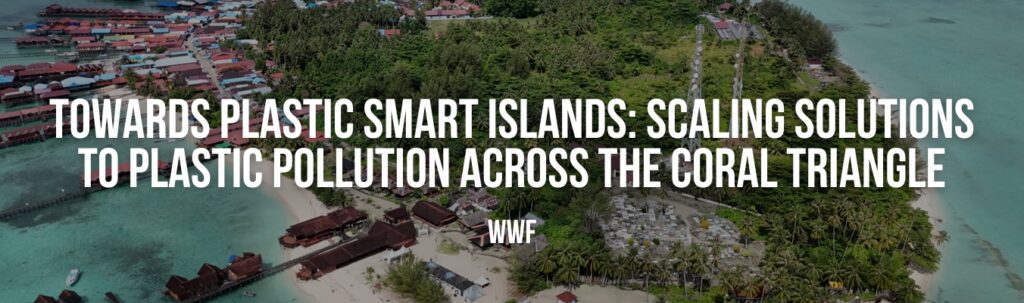
For the archipelagic states of the Coral Triangle, encompassing more than 27,000 islands across six nations, plastic pollution presents an immediate existential threat to human health, community livelihoods, and marine biodiversity. While large urban centres generate the highest gross volume of single-use products, isolated coastal hubs bear a disproportionately high environmental burden, frequently struggling with […]