For the archipelagic states of the Coral Triangle, encompassing more than 27,000 islands across six nations, plastic pollution presents an immediate existential threat to human health, community livelihoods, and marine biodiversity. While large urban centres generate the highest gross volume of single-use products, isolated coastal hubs bear a disproportionately high environmental burden, frequently struggling with transboundary marine debris alongside intense seasonal tourism spikes. To address these unique vulnerabilities, the WWF Coral Triangle Programme and Plastic Smart Cities have co-released this comprehensive report, outlining actionable frameworks to shift remote island waste streams from open dumping to sustainable, circular economies.
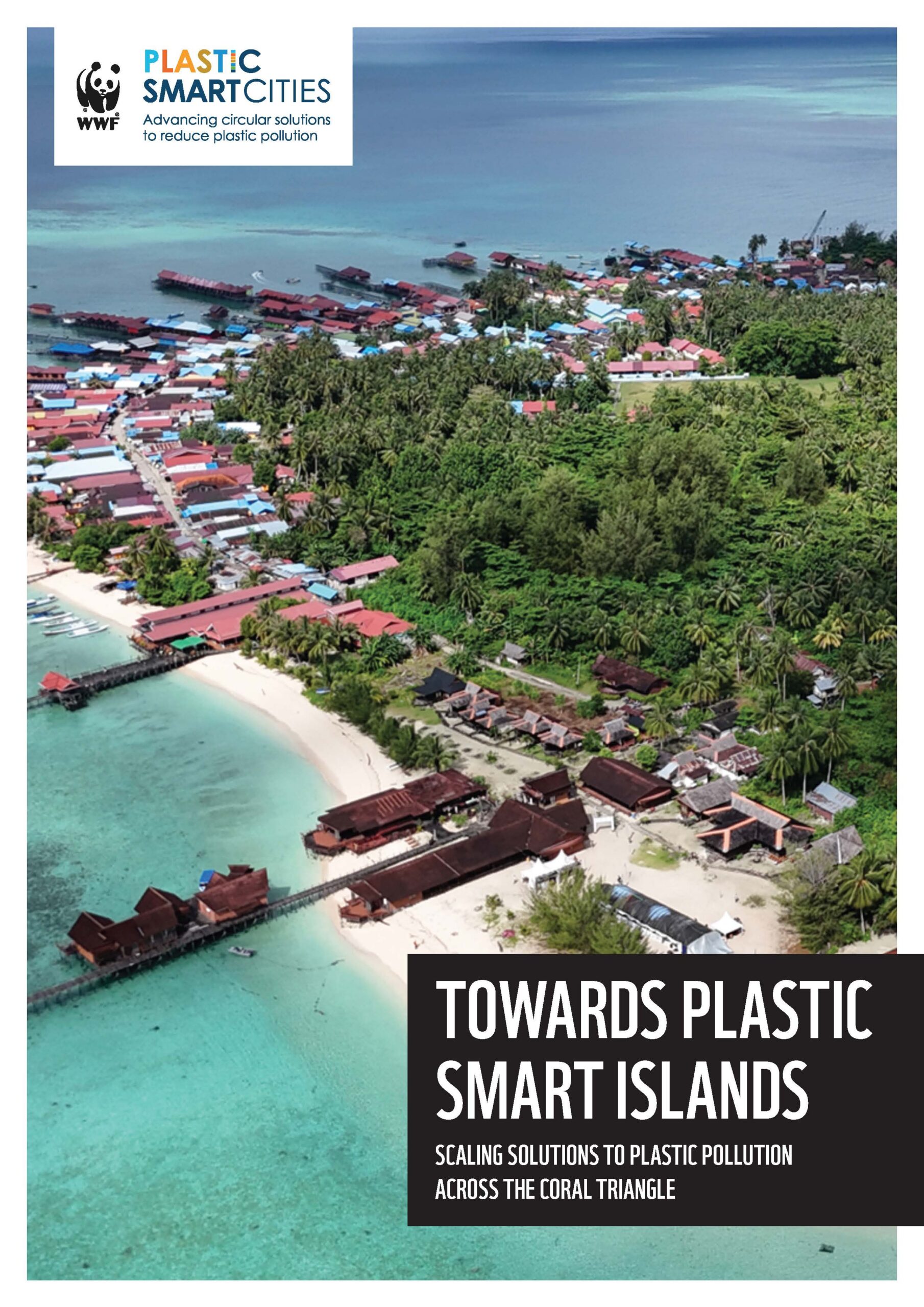
The insights from this study can support governments and stakeholders in addressing the unique waste management challenges of small islands, particularly those in and around Marine Protected Areas (MPAs) and Other Effective Area-Based Conservation Measures (OECMs).
Four critical thematic factors were identified, along with key lessons, enablers, and barriers to effective waste management in small islands and coastal communities based on the 10 case studies selected.