Refillable glass milk bottles
In cooperation with Greenpeace Austria, Austria’s largest dairy company, Berglandmilch, introduced a refillable one liter glass milk bottle in February 2020 with the aim of reducing packaging waste. Customers pay a deposit of EUR 0.22 cents per bottle, which they get back when returning the bottles. The reusable milk bottles can be returned via the deposit return machines of trading partners throughout Austria. Instead of being seen as an inconvenience, the change in packaging actually resulted in an increase in sales.
Berglandmilch invested around EUR 8 million to convert its packaging sites in Aschbach in Lower Austria and Wörgl in Tyrol, introducing an additional glass-filling plant, a washing facility and warehouses for glass bottles. In addition to the one liter milk bottle, other reusable products, such as a half-litre reusable bottle, low-fat milk in reusable bottles as well as yoghurt in reusable glasses as also planned.
Read more: Seas at Risk.org
Cloth nappy subsidies
An increasing number of cities are encouraging parents to invest in washable nappies by offering subsidies. Using washable nappies not only represents financial savings for families, but also greatly reduces the waste caused by disposable nappies.
Read more: https://plasticsmartcities.org/reuse-models/
In 2016, Franco-Danish former export manager Frederic Hamburger made history by opening LØS market, the first packaging-free supermarket in Denmark. Here, products are sold without any single-use packaging, so shoppers need to bring their own containers, borrow free containers or buy reusables container in the store.
Read more: https://plasticsmartcities.org/reuse-models/
Danish company Pack and Sea has operated a tracking system for reusable fishing crates since 2008. Key to the tracking system’s success and sustainability is a cooperation between ten Danish harbors, which has made it possible for the harbors to rent the same green crates.
Read more: https://plasticsmartcities.org/reuse-models/
Loop
Loop is a global circular shopping platform designed to eliminate the idea of waste by transforming the products and packaging of everyday items from single-use to durable, multi-use, feature-packed designs.
Read more: https://plasticsmartcities.org/reuse-models/
Recircle
Recircle is a Swiss social enterprise funded in 2016 to provide a sustainable alternative to disposable containers for food to go: a system of reusable lunch boxes that restaurants can offer on a deposit scheme. So far, 70,000 Recircle boxes are being used by more than 400 restaurants in Switzerland and in Stuttgart, Germany. Receiving direct support from municipalities fosters Recircle’s outreach, by increasing the project’s credibility and consistency.
Read more: https://plasticsmartcities.org/reuse-models/
Globelet
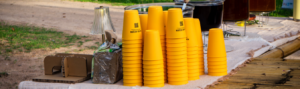
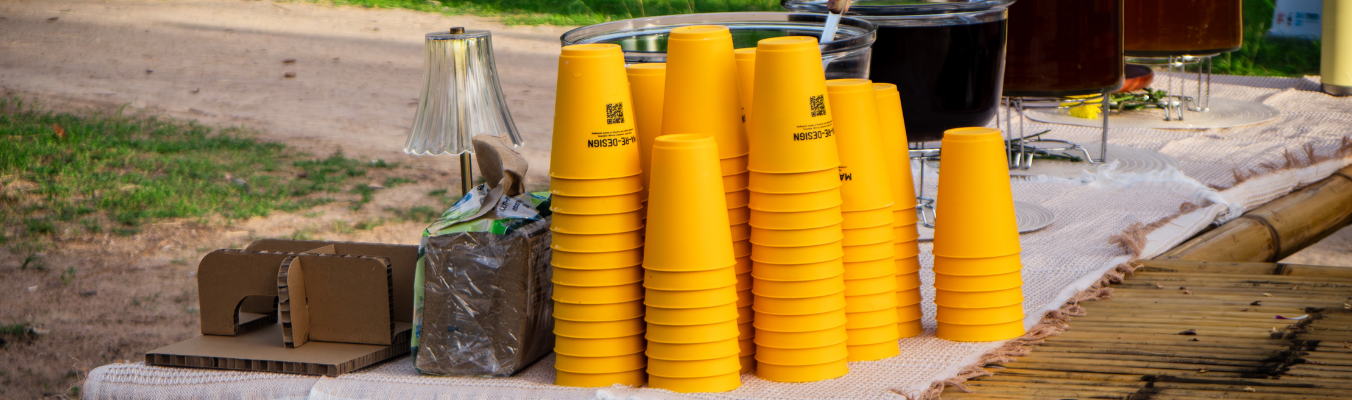
Globelet builds technology enabled systems that produce reusable products that are trackable and can be linked back to their factories to be washed and reused. From branded reusable cups and water bottles to coffee cups and stemless wine cups, any event can end single-use plastic drinking products in favor of reuse.
Read more: https://plasticsmartcities.org/reuse-models/
RePack
RePack offers a reusable and returnable packaging solution for retailers, replacing single-use delivery materials with durable bags made from recycled content, designed for at least 40 use cycles.
Read more: https://plasticsmartcities.org/reuse-models/