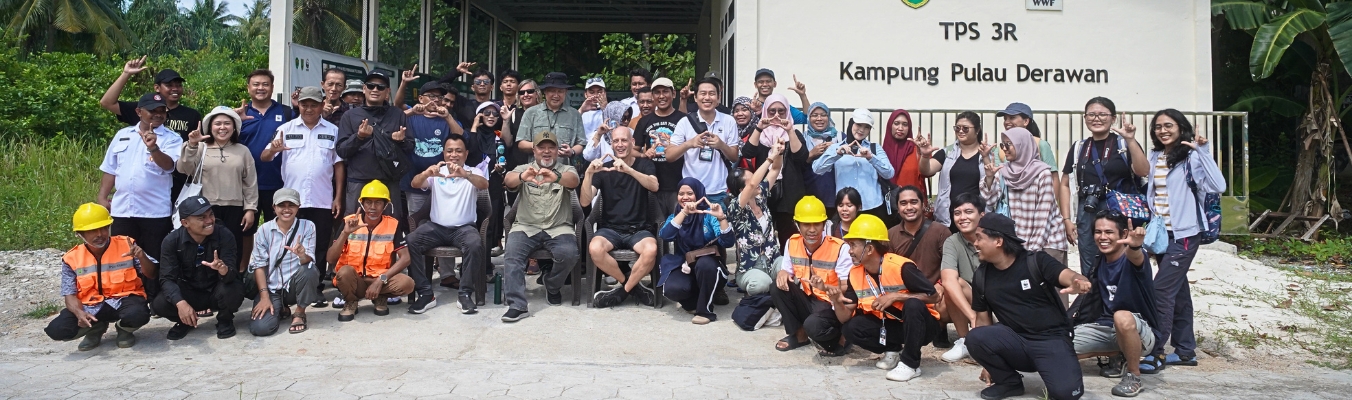
Monitoring and evaluation are vital for ensuring projects stay on track and meet their goals efficiently. By collecting quality data and tracking progress, cities can identify issues early, optimize resources, and align outcomes with their City Action Plans. This process strengthens decision-making, enhances impact assessment, and supports long-term success through scalable, data-driven waste management solutions.
The WasteAware Benchmark Indicators (WABI) provide a standardized tool for assessing and comparing municipal solid waste management performance across cities globally. Designed for governments, businesses, and industry professionals, WABI helps identify strengths, address weaknesses, and guide strategic investments by tracking progress over time. Especially valuable in low- and middle-income settings, this framework supports data-driven decision-making, improves transparency, and enables benchmarking against similar cities to enhance recycling, reduce pollution, and strengthen urban waste systems.
Visit: https://plasticsmartcities.org/wasteaware-benchmark-indicators/
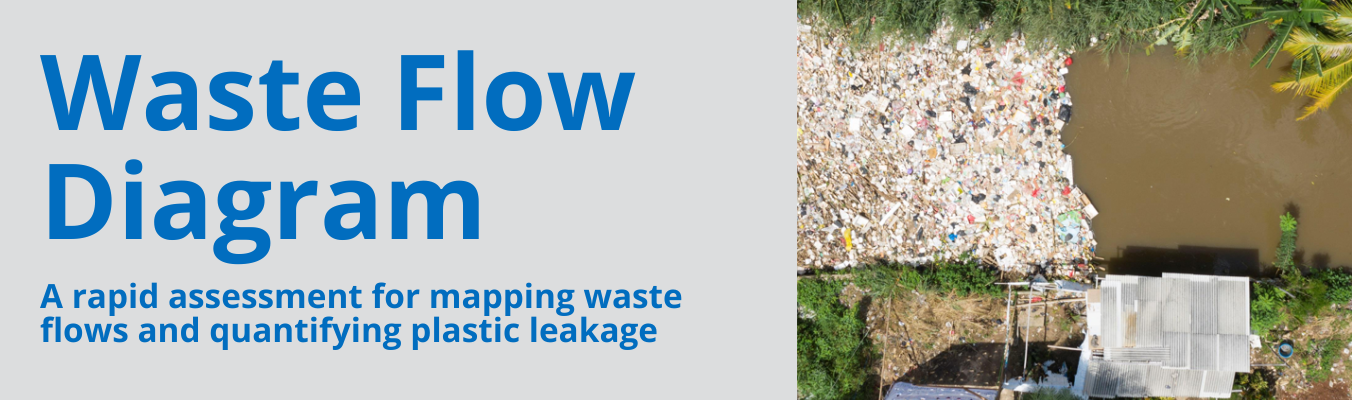
Waste flow tools provide cities with essential analytical guidance to build and sustain effective solid waste management systems, especially in rapidly urbanizing and low-income areas. By leveraging data collection, flow analysis, and leakage tracking, these tools help municipalities prioritize plastic action, optimize resources, and improve public health outcomes. Standardized waste flow assessments also support strategic planning, reduce pollution, and enable cities to align with global sustainability goals.
Visit: https://plasticsmartcities.org/waste-flow-tools/
The Waste Wise Cities Tool, developed by UN-Habitat, helps cities collect and analyze data on waste generation, collection, and management using the SDG 11.6.1 methodology. By mapping waste flows and identifying key intervention areas, the tool enables cities—especially in emerging economies—to design bankable projects and build sustainable waste management systems. Implemented in over 70 cities across Africa and Asia, it supports informed decision-making, stakeholder collaboration, and scalable solutions to reduce pollution and improve urban resilience.
Visit: https://plasticsmartcities.org/waste-wise-cities-tools/
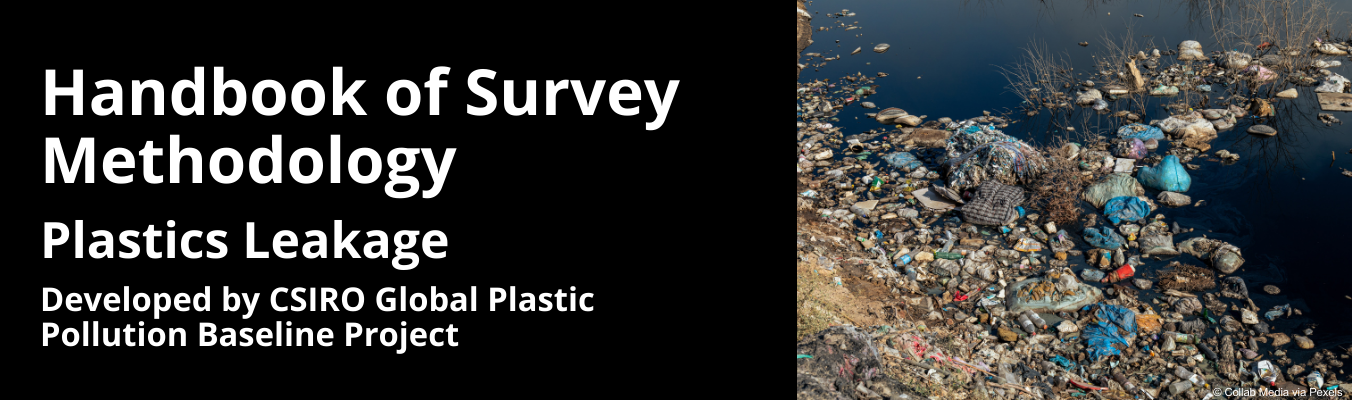
Citizen science empowers individuals to contribute to environmental research by collecting data on plastic pollution across large geographic areas, helping fill critical gaps in waste management knowledge. Through standardized protocols and tools like beach monitoring and apps such as Litterati, communities can generate high-quality, publicly accessible data that supports informed decision-making and raises awareness. This collaborative approach offers a cost-effective solution for governments and researchers to tackle plastic waste and drive sustainable change.
Visit: https://plasticsmartcities.org/citizen-science/