WWF | Transforming the Plastic Waste Market and Informal Worker Livelihoods in Coastal Kenya
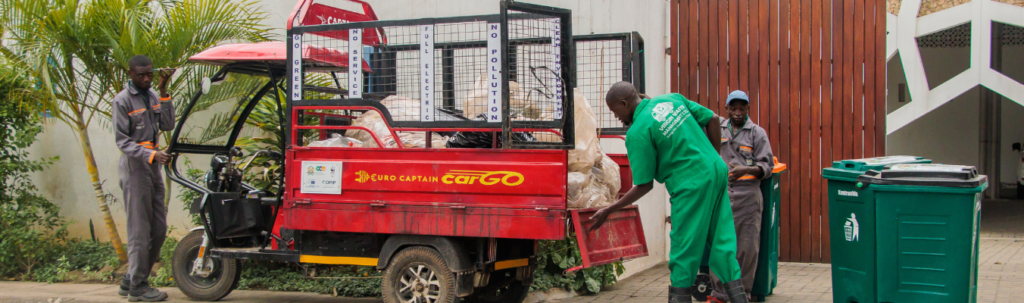
Case Study Kenya: MombasaWWF Involvement: January 2020- December 2024Focus Area: Collection/Recovery and Recycling/Enabling FrameworkPSC Approach: Collection & Separation; Sustainable FinancingSystemic Intervention: Policy Advocacy; Knowledge Strengthening; Systems & Infrastructure For more information, contact: Alex KubasuMombasa, KenyaEmail: akubasu@wwfkenya.org Key Lessons Learned Background Kenya has more than 500,000 tonnes of plastics produced per year, of which only about 15% is recycled. Inadequate solid waste management […]
WWF | Trash Treasure Tao: A Community Enterprise Piloting Reuse at Events in Koh Tao
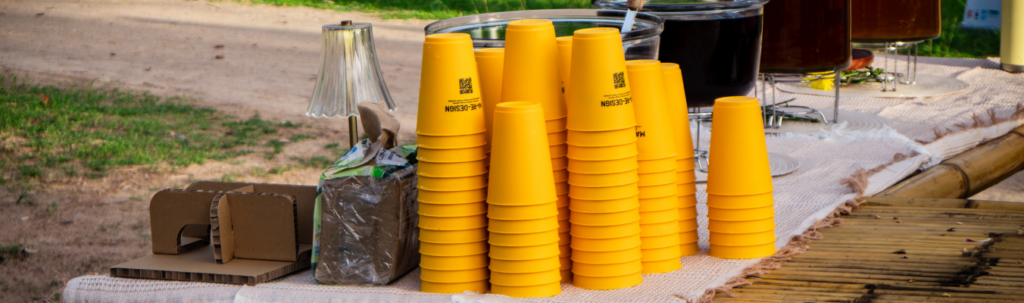
Case Study Thailand: Koh TaoWWF Involvement: July 2025 – June 2026PSC Approach: Behavioural Change; Reuse and RefillFocus Area: ReductionSystemic Intervention: City Systems & Planning For more information, contact: Mr. Sarayut Thanasotorn, President Koh Tao, Surat Thani, Thailand Email: trashtreasuretao@gmail.com https://www.trashtreasuretao.com/ Key Lessons Learned Background Koh Tao in Thailand is one of Surat Thani Province’s most important tourism destinations. As tourism and […]
WWF | Playbook: Reuse at the Point of Sale
While legal frameworks provide the necessary structure for circularity, the ultimate success of reusable packaging often hinges on the split-second decisions made by consumers at the counter. The “Reuse at the Point of Sale” playbook explores the power of behavioural science—specifically “nudging”—to shift consumer habits towards more sustainable choices without restricting their options. By summarising […]
WWF | Handbook: Reuse at large-scale events
As the global events industry moves towards a more sustainable future, the environmental footprint of large-scale gatherings like festivals and concerts is under increasing scrutiny. Shifting from single-use plastics to circular systems is no longer just a trend, but a logistical and legal necessity. This practical handbook, developed by the “mehrweg. einfach. machen.” alliance, provides […]
WWF | Reuse on Christmas Market: Guidelines for Municipality
As traditional Christmas markets across Europe strive to align with modern sustainability goals, the transition from single-use plastics to circular systems has become a priority for local governments. To support this shift, WWF Germany and the “mehrweg. einfach. machen.” alliance have released a comprehensive set of guidelines designed to help municipalities implement scalable reuse systems. […]
WWF Vision Statement: Responsible Use of Alternative Materials to Address Plastic Pollution
Plastic pollution is an urgent environmental crisis that demands a significant reduction in plastic production and a shift away from fossil-based feedstocks. While many look to materials like paper, metal, or glass as a primary solution, substitution must be applied thoughtfully as part of a broader suite of interventions. To ensure positive outcomes for both […]
WWF Policy Brief | Rethinking Participation and Effectiveness: Collective market power as the driving force for an effective treaty to end plastic pollution

Negotiations on an international legally binding instrument to end plastic pollution have reached an impasse. While a clear majority of countries now support binding measures across the full life cycle of plastics, progress has been repeatedly stalled by a small group of states opposing such measures. Resolving this will require negotiators to lift their gaze […]
WWF | How to Implement Extended Producer Responsibility (EPR) for Government and Businesses

Extended producer responsibility (EPR) aims to ensure that product manufacturers are made financially responsible for various parts of the life cycle of their products, including take-back, recycling and final disposal at the end of their useful life. In this way, it aims to apply what is often referred to as the ‘polluter pays principle’. EPR […]
WWF | 15 Basic Principles Establishing an Effective Extended Producer Responsibility (EPR) Scheme for Packaging

As the global plastic crisis accelerates, with 11 million tonnes of plastic entering our oceans annually, the need for a systemic shift toward a circular economy has never been more urgent. WWF’s “No Plastics in Nature” initiative identifies Extended Producer Responsibility (EPR) as a foundational tool to bridge the gap between production and sustainable end-of-life […]
WWF-Indonesia | A Ray of Light Amidst the Plastic Crisis

In the face of a mounting global plastic crisis, a dedicated group of local heroes is lighting the way toward a cleaner, more sustainable future for Indonesia. This book captures the power of grassroots leadership, profiling the extraordinary individuals who have turned environmental challenges into opportunities for community empowerment. These stories serve as a powerful […]