WWF- Indonesia | Zero Waste Family Guide
How can families reduce waste and live more sustainably without making drastic lifestyle changes? This guide provides a practical introduction to zero waste living for households, helping families adopt mindful consumption habits, reduce waste at its source, and embrace everyday actions that support people and the environment. Developed as a family-friendly guide, the publication offers […]
WWF-Indonesia | Zero Waste School Guide
How can schools become drivers of waste reduction and environmental stewardship? This guide provides a practical roadmap for schools to implement Zero Waste School (ZWS) programmes through structured waste management, environmental education, behaviour change, and community engagement. Developed by WWF Indonesia and Guru Belajar Foundation, the guide helps schools move from awareness and commitment to […]
Waste Segregation at Home: A Flipchart Module for Solid Waste Management
Household consumption generates the largest share of solid waste, yet many communities lack proper disposal awareness beyond their immediate doorsteps. To combat this critical infrastructure challenge, the Plastic Smart Cities program by WWF-Indonesia, in collaboration with Yayasan Bina Karta Lestari (Bintari), developed a comprehensive community education module titled “Karena Pilah Sampah dari Rumah Itu Mudah!”. […]
Cerita Untuk Bumi: An Illustrated Environmental Storybook
As plastic pollution increasingly threatens terrestrial, riverine, and marine ecosystems across Southeast Asia, empowering youth through early environmental literacy has become a cornerstone of long-term ecological stewardship. Co-created by WWF-Indonesia and Dongeng Paman Gery under the Plastic Smart Cities program, Cerita untuk Bumi is an illustrated environmental storybook authored by twenty children to inspire youth-led […]
UNDP, Viet Nam NPAP | Research on the integration of independent waste workers in solid waste management in Viet Nam
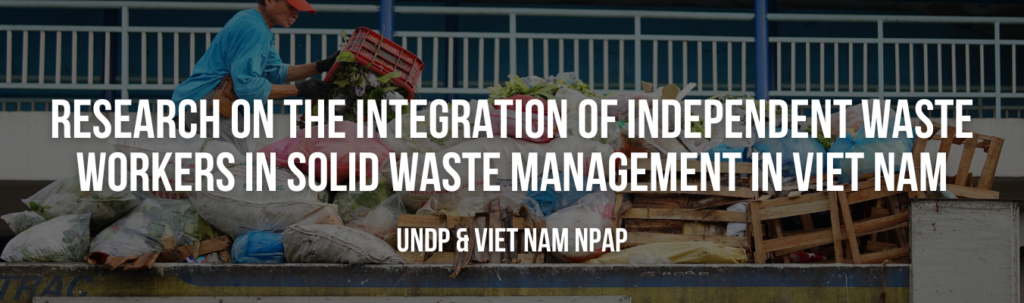
How can Vietnam achieve its ambitious target of increasing plastic recycling from 11% to 38% by 2030? The answer lies in the strategic integration of Independent Waste Workers (IDWWs). This 2025 study by UNDP Viet Nam provides a comprehensive roadmap for transitioning the informal waste sector into a formalised, rights-based system. By addressing institutional barriers […]
SEA-MaP | Regional Behavior Change Communications (BCC) Strategy Playbook on Plastic and Plastic Waste in ASEAN

Plastic pollution remains a critical threat to the environment, public health, and economies across Southeast Asia, driven by persistent everyday behaviors like littering and a heavy reliance on single-use plastics. While awareness is growing, the transition to sustainable habits requires a deep understanding of the specific “enablers” and “barriers” that influence daily choices. This newly […]
WWF Germany | Biogenic Resources in Packaging
According to a study by ifeu and GVM published by WWF Germany, substituting fossil-based materials with biogenic resources in packaging is not automatically more sustainable. Although overall packaging consumption in Germany is projected to drop by nearly 16%—from 17.89 million tonnes in 2023 to 15.05 million tonnes by 2045—the widespread adoption of bio-based plastics threatens […]
The Pew Charitable Trusts, ICF | Breaking the Plastic Wave 2025

In 2020, The Pew Charitable Trusts and Systemiq published a groundbreaking report, “Breaking the Plastic Wave,” amid significant data gaps on plastic pollution, substantial debate over the scale of the plastic pollution problem and various proposals to meet the challenge. With that report, Pew and partners sought to move the global discourse forward by identifying […]
WWF-Indonesia | Study of Reduce-Reuse-Recycle Waste Processing Facilities (TPS3R) in Jakarta Province
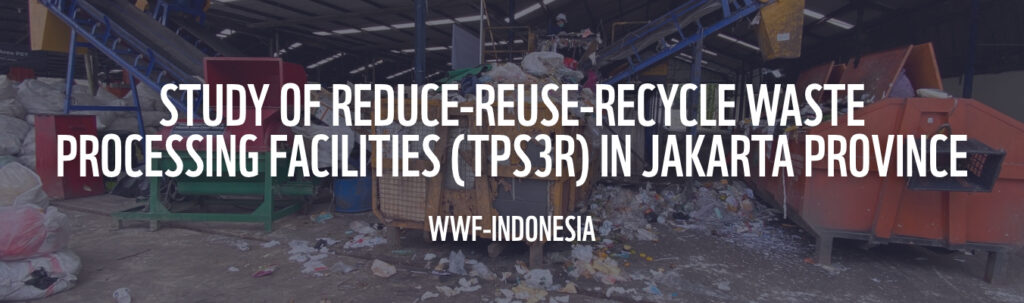
How effective are Jakarta’s TPS 3R facilities in reducing waste and supporting a circular economy? WWF-Indonesia’s latest study assesses the performance of 20 TPS 3R (Tempat Pengolahan Sampah Reduce, Reuse, Recycle) facilities across Jakarta, examining governance, operations, financing, and community participation. The findings highlight both good practices and persistent challenges, providing recommendations to strengthen community-based […]
WWF-Indonesia | Study of Reduce-Reuse-Recycle Waste Processing Facilities (TPS3R) in Bogor
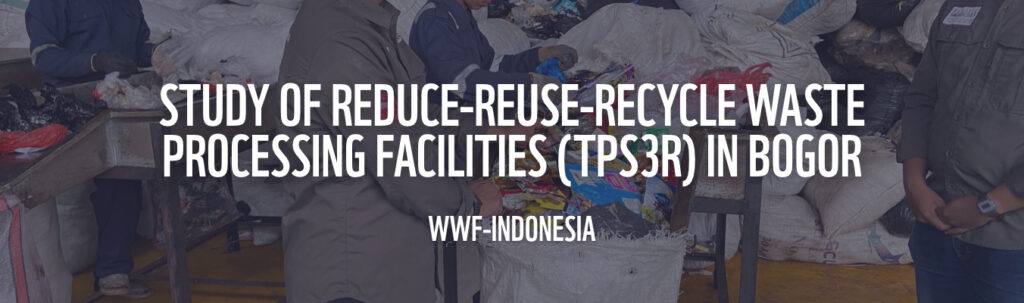
How effective are community-based waste management facilities in supporting Bogor City’s waste reduction goals? This WWF-Indonesia study assesses the performance of 32 TPS 3R (Reduce, Reuse, Recycle Waste Processing Facilities) across Bogor City, examining governance, operations, financing, regulations, and community participation. The report identifies critical challenges affecting facility performance while providing practical recommendations to strengthen […]