How can Vietnam achieve its ambitious target of increasing plastic recycling from 11% to 38% by 2030? The answer lies in the strategic integration of Independent Waste Workers (IDWWs). This 2025 study by UNDP Viet Nam provides a comprehensive roadmap for transitioning the informal waste sector into a formalised, rights-based system. By addressing institutional barriers and leveraging the Extended Producer Responsibility (EPR) framework, the report offers a blueprint for creating a more inclusive and resilient circular economy.
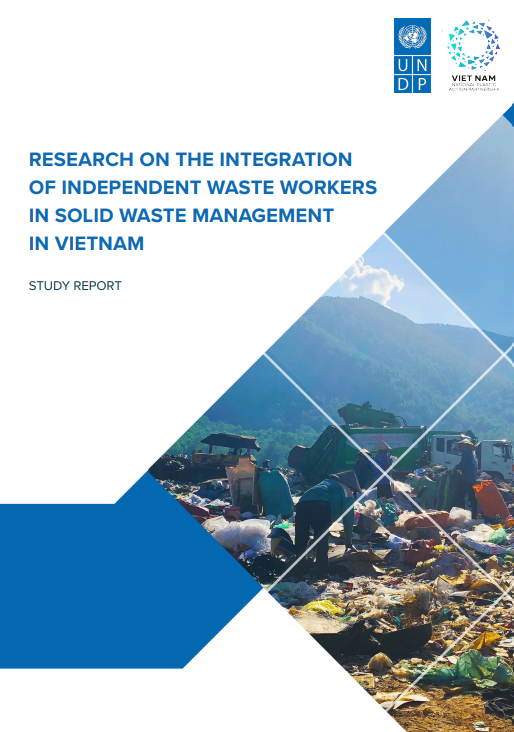
The informal sector is the backbone of Vietnam’s current waste recovery system, yet it remains largely unrecognised in official policy. This research synthesises field data and policy analysis to provide actionable insights for practitioners and policymakers. Key sections include:
- Policy Recommendations: A framework for institutionalising the role of IDWWs within national solid waste management (SWM) strategies to prevent plastic leakage and improve material recovery.
- Categorisation of IDWWs: A detailed breakdown of the waste value chain, from scrap buyers (đồng nát) and landfill pickers to those working in recycling craft villages (the OB1–OB4 classification).
- Socio-Economic Barriers: Evidence-based findings on the lack of health insurance, unsafe working conditions, and the gendered challenges faced by women in the informal sector.
- The Impact of the 2020 LEP: Analysis of how the Law on Environmental Protection and new EPR requirements are reshaping the landscape for independent workers.
- Pathways to Formalisation: Practical recommendations for building representative organisations, enhancing vocational training, and ensuring responsible business conduct.