Local Policies & Regulation

Local Policy and Regulation as an enabling framework in waste management

Local policy and regulation play a crucial role in protecting the environment as a prevention act to support sustainable action and behavioural change at a larger scale. It promotes sustainability will restrict individual consumption and will regulate business production to take environmental aspects into account.

This aim to change the attitudes and behaviour of individuals and businesses to promote better consumption and production, especially plastic, to prevent the creation of plastic waste. This is different from waste management activities, which are implemented to reduce the amount of waste already generated and produced.

Local policies and regulations play a crucial role in tackling plastic pollution, but their impact is limited by the global nature of plastic production and waste, as well as weak enforcement mechanisms. Since plastic pollution crosses borders and outpaces regulatory efforts, a comprehensive solution must include innovative technologies, public engagement, corporate accountability, and international collaboration. This multifaceted approach is essential for creating effective, scalable strategies to reduce plastic waste and protect the environment.

Sustainable policies and regulations—such as plastic bag bans, single-use levies, and extended producer responsibility (EPR) programs—play a vital role in reducing plastic consumption and driving large-scale behavioral change. Increasingly, environmental policy research highlights the importance of local interventions, showing that context-specific approaches can be more effective than broad, one-size-fits-all regulations. By combining national frameworks with localized strategies, cities can better address plastic waste and foster long-term sustainability.

Third-party eco-labels and product certifications for plastic-free, low-plastic, or recycled-plastic goods are powerful tools for raising consumer awareness and promoting sustainable choices. As demand for transparency and plastic-free alternatives grows, these labels help businesses differentiate their products and encourage responsible consumption. By reducing unnecessary plastics and highlighting life-cycle impacts, eco-labelling supports waste reduction, minimizes environmental pollution, and drives market transformation toward a circular economy.

Landfill taxes are a proven environmental policy tool that incentivize waste diversion from landfills toward more sustainable alternatives like recycling, composting, and reuse. By charging private landfill operators an additional fee per unit of waste, countries can reflect the true environmental cost of disposal and reduce plastic accumulation, groundwater contamination, and methane emissions. High landfill tax rates are linked to lower landfill usage, but success depends on the availability of affordable alternatives to prevent illegal dumping. Widely adopted across the EU, landfill taxes generate significant revenue for environmental programs and support long-term waste management reform.

Visit: https://plasticsmartcities.org/landfill-tax/

Case Study on Local Policy and Regulation

Local Policy and Regulation

Hue’s City Action Plan for Clean Streets

Viet Nam

Related Reports and Publication

These resources on local policy & regulation include materials developed by WWF as well as external sources.

Towards Circular Systems Lessons Learned Plastic Smart Cities_Featured Image
Towards Circular Systems: Lessons Learned Plastic Smart Cities
WWF Position Paper
WWF Position: Plastic Crediting and Plastic Neutrality
Navigating Plastic Management_Tools for Government Action Planning
World Bank | Navigating Plastic Management: Tools for Government Action Planning
Making the Global Plastics Treaty work for Micro-, Small-, and Medium-sized Enterprises
WWF | Making the Global Plastics Treaty Work for Micro, Small, and Medium-sized Enterprises
Solving Plastic Waste Roadmap for a Sustainable Future
Kearney | Solving Plastic Waste: Roadmap for a Sustainable Future
Making Plastic Polluters Pay: How Cities and States Can Recoup the Rising Costs of Plastic Pollution
Center for International Environmental Law | Making Plastic Polluters Pay: How Cities and States Can Recoup the Rising Costs of Plastic Pollution
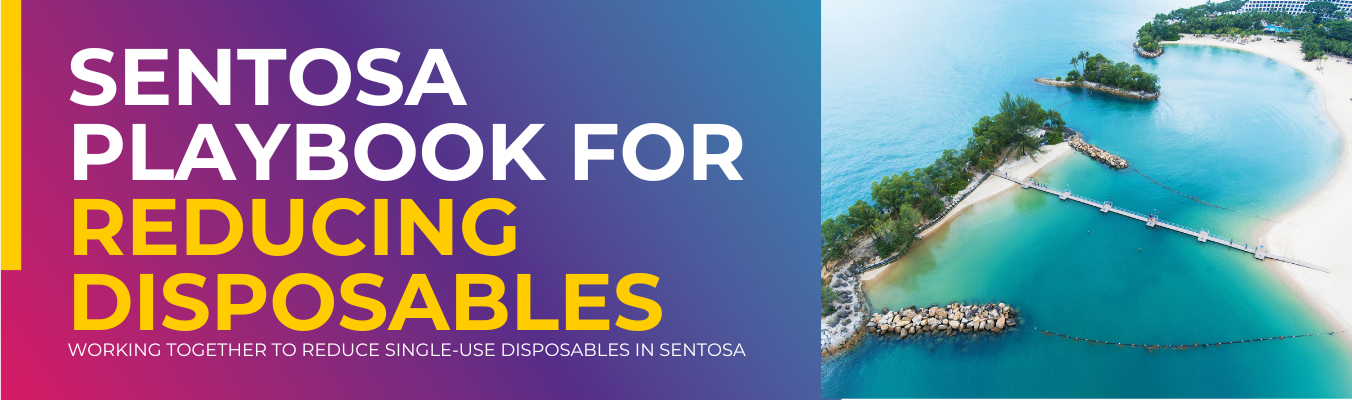
Sentosa playbook for reducing disposables
WWF Singapore | WWF Singapore x Sentosa Disposable Playbook
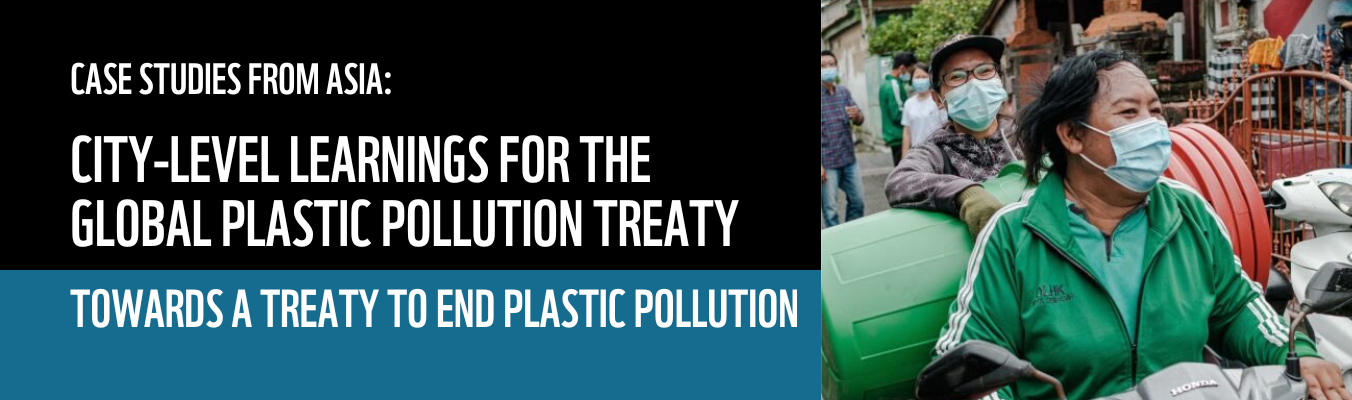
Case Study - CITY-LEVEL LEARNINGS FOR THE GLOBAL PLASTIC POLLUTION TREATY
WWF | Case Studies from Asia: City-Level Learnings for the Global Plastic Pollution Treaty
EPR REPORT
OECD | Extended Producer Responsibility: Basic Facts and Key Principles
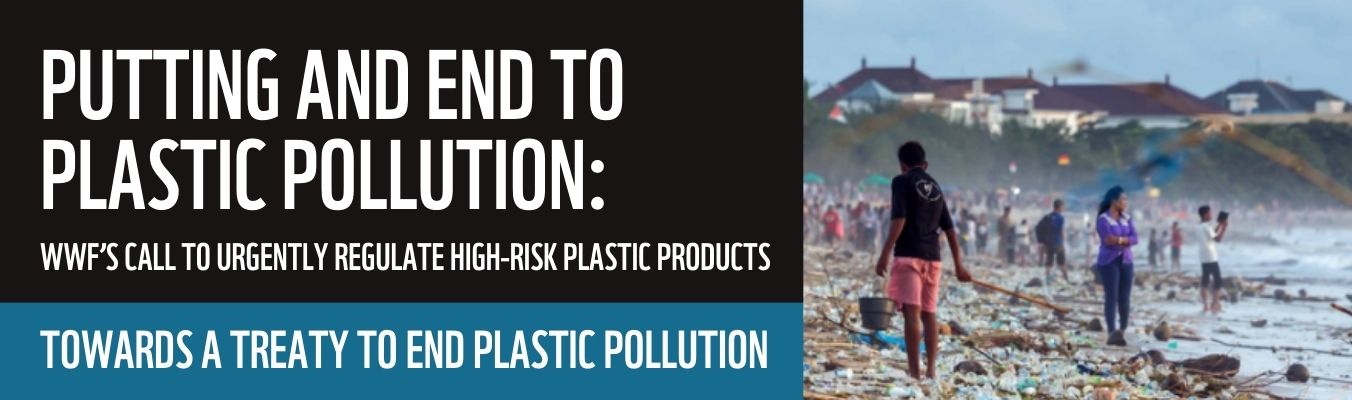
REPORT - Putting and end to plastic pollution
WWF | Putting an End to Plastic Pollution
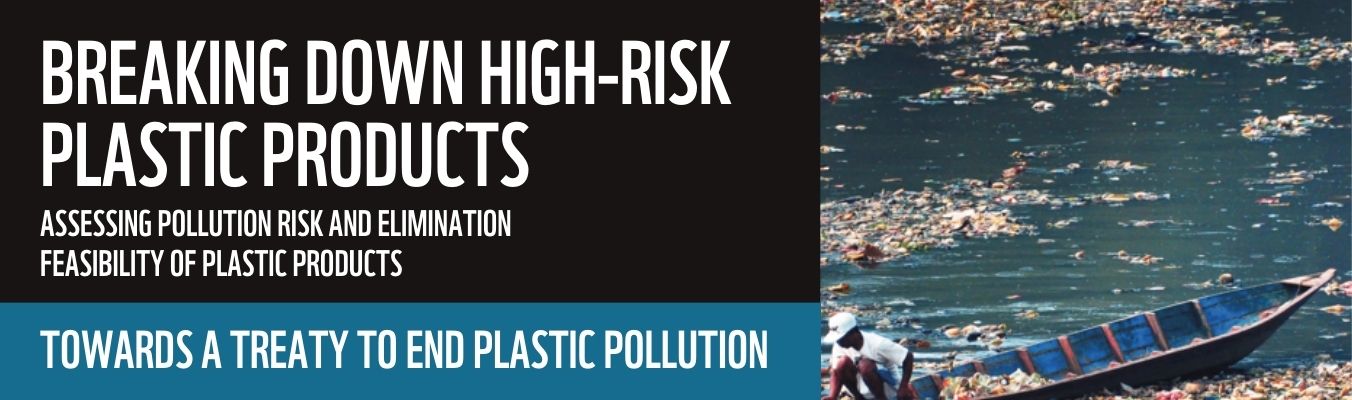
REPORT - BREAKING DOWN HIGH-RISK PLASTIC PRODUCTS
WWF | Breaking Down High-Risk Plastic Products
REPORT - TOWARDS A TREATY TO END PLASTIC POLLUTION
WWF | Towards a Treaty to End Plastic Pollution
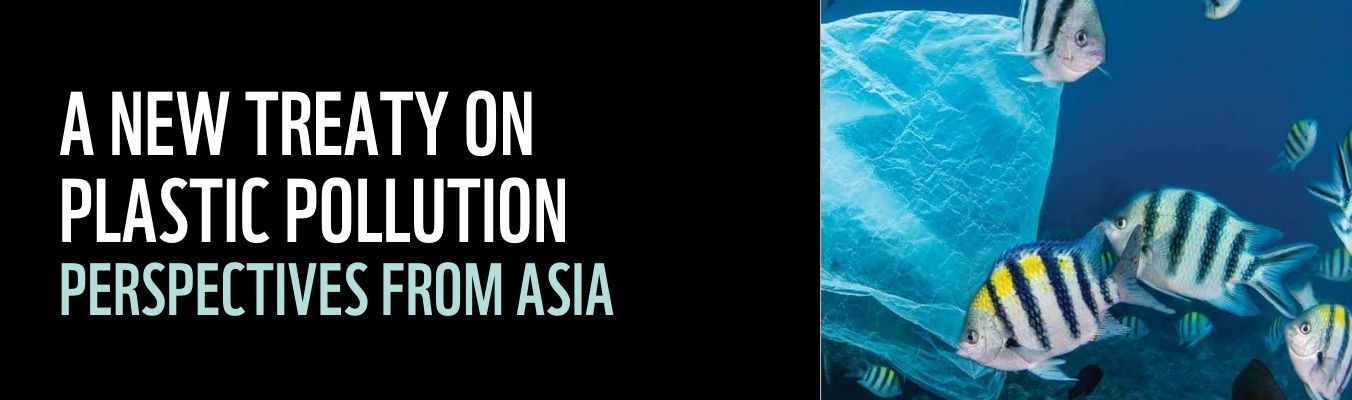
REPORT - A NEW TREATY ON PLASTIC POLLUTION
WWF | A New Treaty on Plastic Pollution – Perspectives from Asia

Local policies and regulations play a crucial role in protecting the environment as a prevention act to support sustainable action and behavioural change at a larger scale. Policies and regulations that promote sustainability will restrict individual consumption and will regulate business production to take environmental aspects into account.


Key Considerations: Policies and regulations aim to change the attitudes and behaviour of individuals and businesses to promote better consumption and production, especially plastic, to prevent the creation of plastic waste. This is different from waste management activities, which are implemented to reduce the amount of waste already generated and produced.

The Problem

While local policy & regulation are vital tools in addressing the crisis, their effectiveness has been hindered by a confluence of complex factors. 

One key stumbling block lies in the global nature of plastic production, consumption, and waste management. Plastic pollution transcends borders and jurisdictions, making it difficult for individual policies to comprehensively tackle the issue. 

Moreover, enforcement and compliance mechanisms often lag behind the pace of plastic production, allowing for gaps that enable continued pollution. 

Addressing plastic pollution requires a multifaceted approach that goes beyond regulations alone, incorporating innovative technologies, public awareness campaigns, corporate responsibility, and global collaboration to create a comprehensive solution that can effectively stem the tide of plastic pollution.

Potential Solutions

Enacting policies and regulations that support sustainable practices and discourage excessive plastic consumption can drive behavioural change at a larger scale. Measures such as plastic bag bans, levies on single-use plastics, or extended producer responsibility (EPR) programs can influence consumer behaviour and promote waste prevention and reduction. 

In some environmental policy and sustainable urban development studies, there has been an increasing emphasis on notions of ‘the local’ as a key intervention. Solving the issue downwards, through localization did not simplify the problem but can be analyzed in local contexts and approaches that might work better than general regulations applied.

Ref:

  1. Gibbs, D., & Jonas, A. E. (2000). Governance and regulation in local environmental policy: the utility of a regime approach. Geoforum, 31(3), 299-313.
  2. Steinebach, Y. (2022). Instrument choice, implementation structures, and the effectiveness of environmental policies: A cross‐national analysis. Regulation & Governance, 16(1), 225-242.

Check out these other WWF-supported plastic waste reduction tools or resources:

Related Stories

PSC at IUCN and ACCPP
Plastic Smart Cities at the IUCN World Conservation Congress & ASEAN Conference on Combatting Plastic Pollution
Learning Session at IUCN World Conservation Congress  In collaboration with IUCN, WWF Plastic...
Read More
Towards a Plastic-Free Future: Bogor and WWF-Indonesia Deepen Collaboration
Bogor City and WWF-Indonesia Renews Commitment to Scale Plastic Smart Cities
Bogor, 11 June 2025 – The City Government of Bogor and WWF-Indonesia have officially signed a Memorandum...
Read More
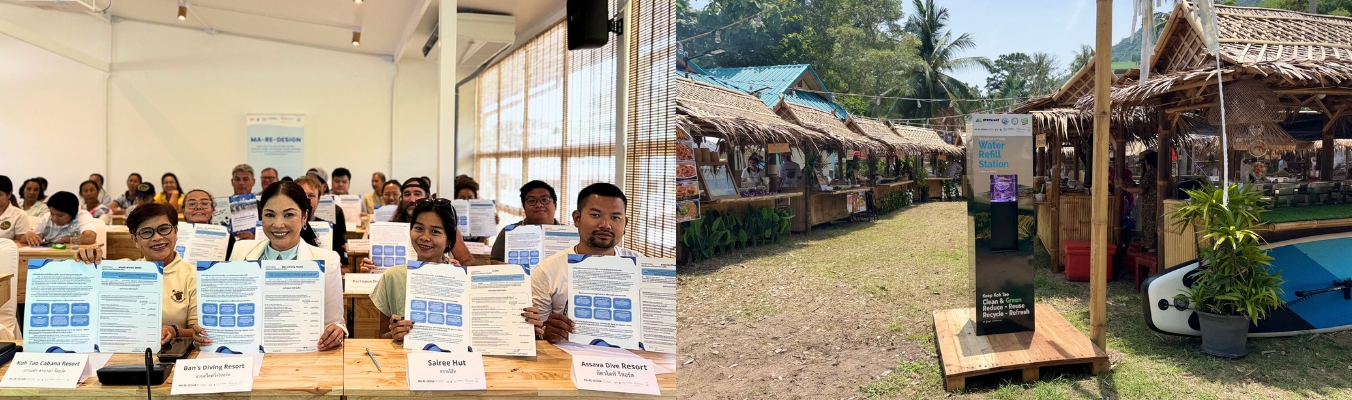
PACT WORKSHOP IN THAILAND
Milestone Achieved in Thailand: Plastic ACTion Workshops Lead the Way to Sustainability
In a significant stride towards environmental sustainability, WWF-Thailand recently hosted four WWF Plastic...
Read More