Bogor, 11 June 2025 – The City Government of Bogor and WWF-Indonesia have officially signed a Memorandum of Understanding (MoU) to strengthen their joint commitment to sustainable plastic waste management. The signing ceremony took place at TPS3R Mekarwangi, one of Bogor’s leading community-based waste management sites.
Building on a collaboration that began in 2021 under the Plastic Smart Cities (PSC) initiative, the partnership has since developed a city-level approach to addressing plastic pollution, encompassing efforts such as strengthening TPS3R institutions, local policy advocacy, as well as public education and upstream waste reduction.
A Multi-Sectoral Approach to Plastic Waste Reduction
In his remarks, Bogor Mayor Dedie Abdu Rachim emphasized that plastic waste cannot be addressed by the government alone. “Cross-sector collaboration is essential. Bogor is committed to strengthening waste management systems from upstream to downstream, including efforts to prevent plastic leakage into rivers and the environment,” he stated.
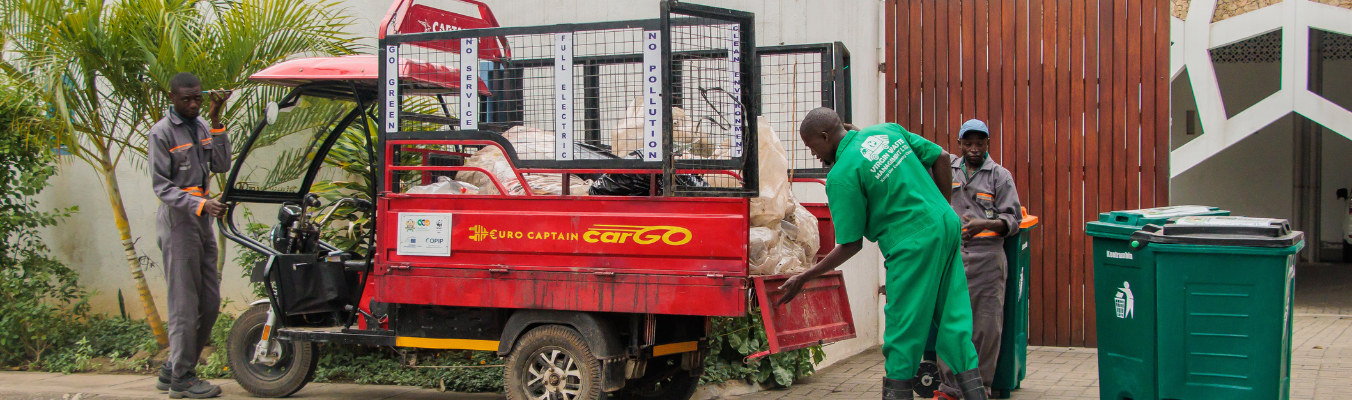
This aligns with one of Bogor’s strategic programmes – Bogor Sehat (meaning “Healthy Bogor”) – which aims to improve sanitation services through an area-based approach to the 3R (meaning Reduce, Reuse, Recycle) waste management, with adequate waste collection and transportation fleets and infrastructure. WWF-Indonesia supports this vision by enhancing 3R practices through technical assistance at the community level, expanding the reach of plastic waste services.

Community Engagement and Institutional Strengthening
Since 2021, WWF-Indonesia has partnered with a wide range of local actors, including MRF Mekar Wangi, Bersih Istiqomah Waste Bank, Rumah Kedua Foundation, Rekam Jejak Nusantara Foundation, Kenanga Waste Bank, Kita Waste Bank, TPS3R Bantar Kemang, Rangga Mekar Waste Bank, TPS3R Mutiara Bogor Raya, Kertabumi, Mountrash, and Waste4Change. These collaborations focus on building institutional capacity, waste management operations, and community education.
WWF-Indonesia has also conducted outreach in schools and engaged youth activists to promote behaviour change and reduce plastic use among younger generations.
[Also read related articles from Bogor: From Classrooms to Cleaner Rivers: School Waste Sorting Success in Bogor]
Measurable Impact: 10,000 tonnes of Plastic Waste Reduced
Between 2022 and 2024, the collaboration between WWF-Indonesia and the Bogor City Government successfully reduced plastic waste leakage by an estimated 10,000 tonnes. This achievement reflects the effectiveness of source-level waste management and the strength of cross-sector partnerships.
Looking ahead, these results will be further integrated into Bogor’s waste planning and legislation, contributing to the city’s vision of a Smart Environment. WWF’s Plastic Smart Cities initiative remains committed to supporting Bogor in achieving this goal.

WWF-Indonesia’s Vision: No Plastic in Nature
Aditya Bayunanda, CEO of WWF-Indonesia, emphasized the broader environmental stakes, “WWF-Indonesia is committed to reducing plastic waste because of its impact on wildlife and ecosystems. Over the past four years, we’ve built an integrated plastic waste management model, from household-level waste reduction and strengthening waste banks to community engagement through TPS3R and policy support. All of this is aimed at preventing plastic leakage into nature, which threatens biodiversity, ecosystem health, and even human health, as microplastics have now been found in human blood.”
He added, “Today’s MoU is not the beginning, but a continuation of a strategic collaboration to create broader impact. Bogor has shown that environmental commitment must be realized through comprehensive, upstream-to-downstream solutions, embodied in the No Plastic in Nature movement.”
A Model for Other Cities
Bogor’s approach, centered on source-level waste management and cross-sector collaboration, offers a replicable model for other cities seeking to reduce plastic waste. The strengthened partnership between WWF-Indonesia and the Bogor City Government will continue to drive innovation and implement sustainable plastic waste solutions.
With the support of all stakeholders, Bogor is poised to become a pioneer city in effective, community-based waste management, setting an inspiring example for other cities and localities to follow. This sustained commitment lays the foundation for a cleaner, healthier, and greener city for future generations.
Originally published on PSC Indonesia page