

Collection and Separation

Waste Collection and Separation for Plastic Collection

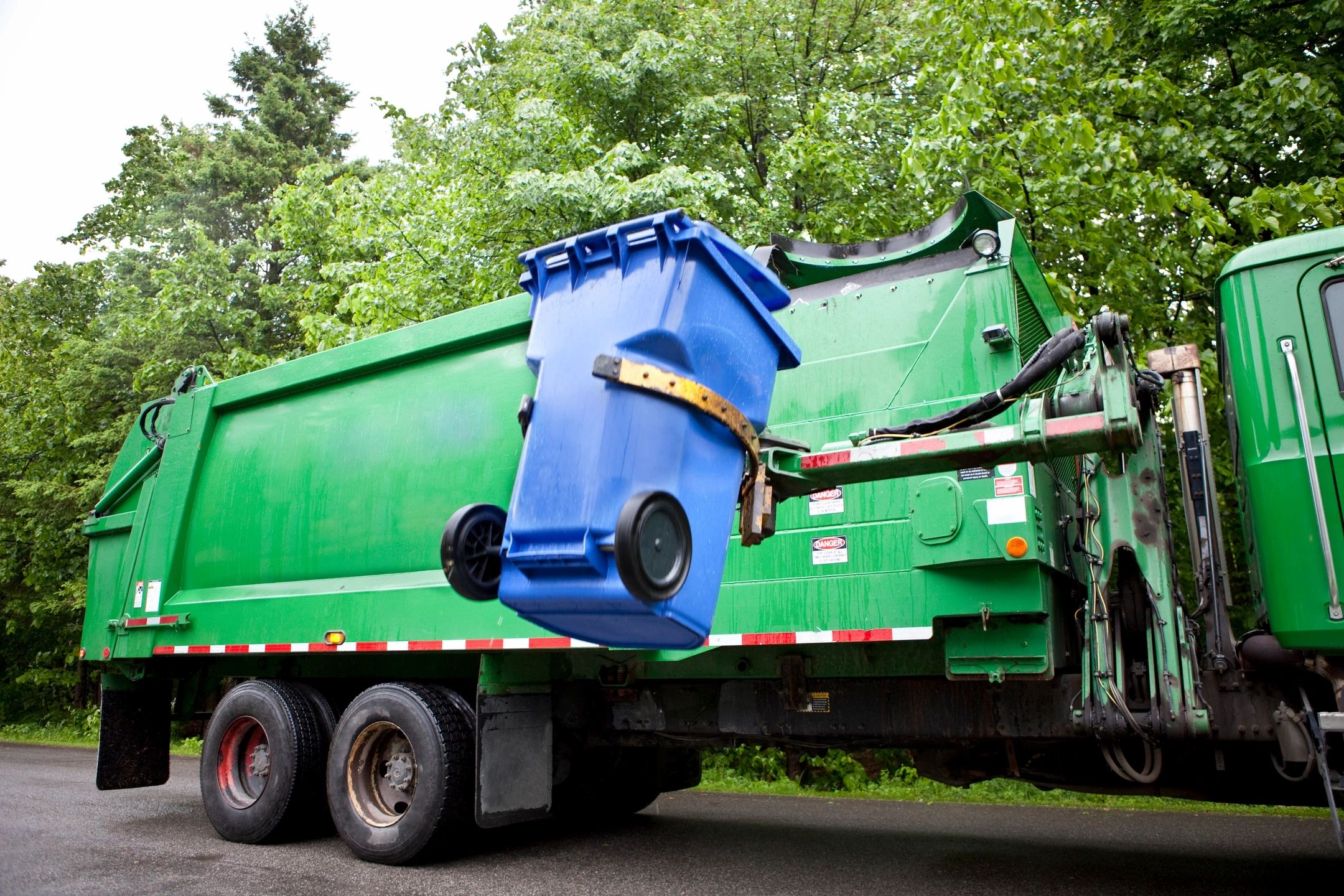
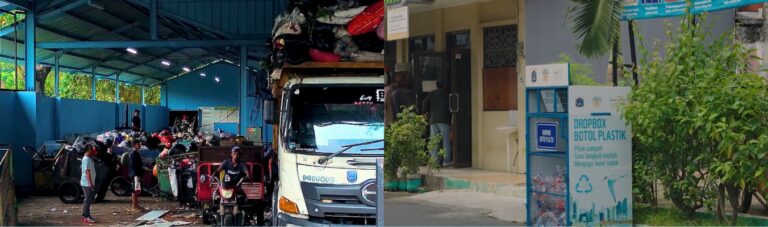
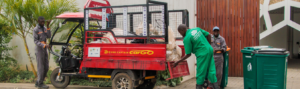
Waste collection is a fundamental aspect of plastic waste management. This involves the systematic gathering of solid waste from various sources, such as households, industries, commercial or retail establishments, and public spaces.

Uncollected waste poses serious health and environmental risks, especially in rapidly growing cities across low-income countries where up to 90% of waste is openly dumped or burned. Poor waste collection and separation systems lead to pollution, flooding, and disease, while high operational costs hinder progress. Prioritizing efficient waste collection and source separation is essential to reduce greenhouse gas emissions and build sustainable urban environments.

To reduce plastic pollution and improve recycling rates, cities must implement waste management programs that boost collection efficiency and prevent leakage throughout the system. Effective plastic waste collection—through source or post-separation methods and curbside or drop-off schemes—supports proper disposal and resource recovery. Tailoring collection strategies to local conditions can optimize costs and infrastructure, making urban waste systems more sustainable and impactful.

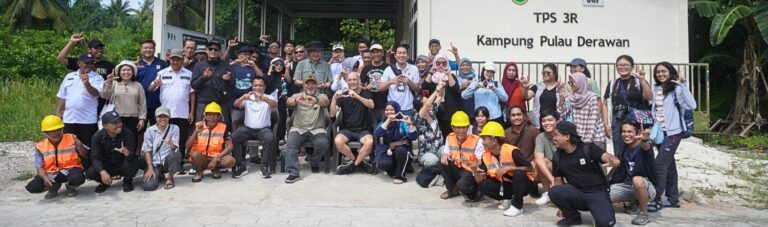
Integrating waste pickers into formal waste management systems is key to improving recycling efficiency, reducing landfill costs, and supporting the livelihoods of over 15 million workers who collect up to 20% of urban waste globally. Recognizing their role, ensuring safe working conditions, and providing legal and economic support can transform informal labor into a vital force for sustainable waste solutions and inclusive urban development.

Visit: https://plasticsmartcities.org/waste-worker-inclusion/

Kabadiwalla Connect is a decentralized waste management and waste collection solution for cities in the developing world. It helps leverage a city’s existing informal waste infrastructure in the collection and processing of post-consumer waste. Kabadiwalla’s research into the informal sector and commercial pilots in India, Indonesia and the Ivory Coast provide strong evidence to the commercial, environmental and social benefits of forming mutual partnerships with stakeholders in the informal waste supply-chain.

Smart sensors in waste bins are transforming urban waste management by enabling real-time monitoring and optimized collection routes, significantly reducing costs and environmental impact. By integrating sensor data with fleet management and intelligent routing software, cities and waste operators can avoid premature or delayed pickups, improve collection efficiency, and prevent litter from overflowing bins. This smart waste management approach supports cleaner cities, lowers operational expenses, and enhances sustainability in the waste sector.

Visit: https://plasticsmartcities.org/waste-collection-digitalisation/

Source Segregation is a regulatory approach that mandates or incentivizes households and institutions to separate waste at the point of generation, significantly improving the efficiency and economics of waste management. By reducing upstream sorting costs and providing clean feedstock for recyclers, source segregation enhances the value recovery from post-consumer materials and helps curb ocean plastic pollution. Successful models in cities like Guiyang, Bangalore, and Goa demonstrate how incentives, penalties, and rotating collection schedules can boost segregation rates and support scalable, sustainable waste systems.

Visit: https://plasticsmartcities.org/source-segregation/

Deposit refund schemes (DRS) are an effective waste reduction strategy that incentivize consumers to return plastic items by offering a small refund at authorized collection points. Widely adopted across Europe—with return rates as high as 98% in Germany—DRS significantly boost recycling rates, reduce plastic pollution, and engage the public in sustainable behavior. By placing value on post-consumer packaging, these schemes support circular economy goals and help governments and communities manage plastic waste more efficiently.

Visit: https://plasticsmartcities.org/deposit-refund-scheme/

Case Studies on Collection and Separation

Collection and Separation

Cleaning Up Canals
In Venice

Italy

Collection and Separation

Transforming Waste Management and Lives

Izmir

Collection and Separation

Boosting Collection in Manila with Blockchain Technology

Philippines

Collection and Separation

Hat Yai’s Mall Take-Back
Programme

Thailand

Collection and Separation

Household Waste Separation at Source in Tan An

Viet Nam

Related Reports and Publication

These resources on collection and separation include materials developed by WWF as well as external sources.

Towards Circular Systems Lessons Learned Plastic Smart Cities_Featured Image
Towards Circular Systems: Lessons Learned Plastic Smart Cities
A Handbook for Developing Plastic Smart Cities in Thailand
WWF-Thailand | A Handbook for Developing Plastic Smart Cities in Thailand
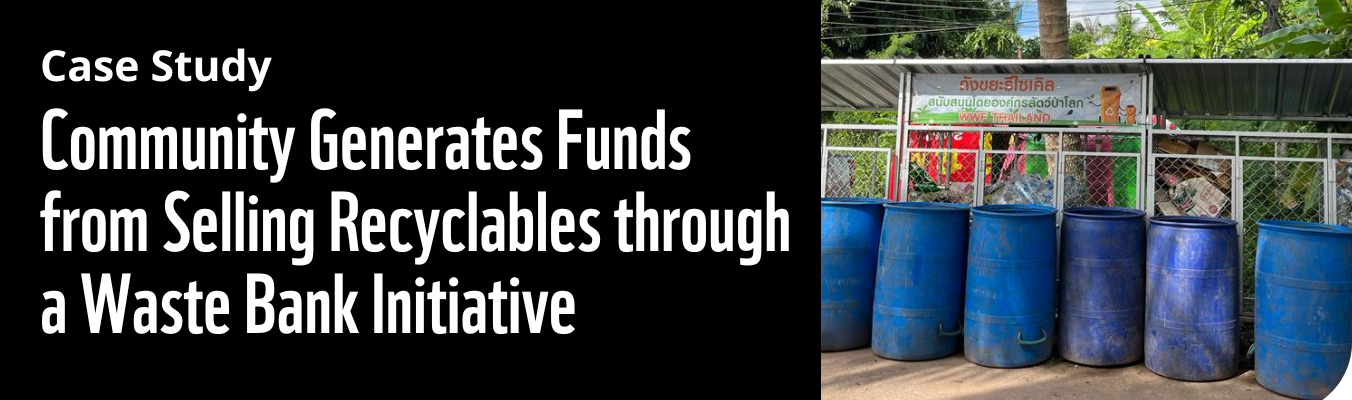
Case Study - Community Generates Funds from Selling Recyclables through a Waste Bank Initiative
WWF | Community Generates Funds from Selling Recyclables through a Waste Bank Initiative
Sea to Source
National Geographic | Sea to Source Method Toolkit

Waste collection is a fundamental aspect of plastic waste management. This involves the systematic gathering of solid waste from various sources, such as households, industries, commercial or retail establishments, and public spaces.

Key Considerations: Waste collection and transportation are large cost sinks in municipal solid waste management and can account for up to 90% of total disposal costs in lower-income countries and countries in transition, but it is fundamental to any waste management system and must be prioritised.

The Problem

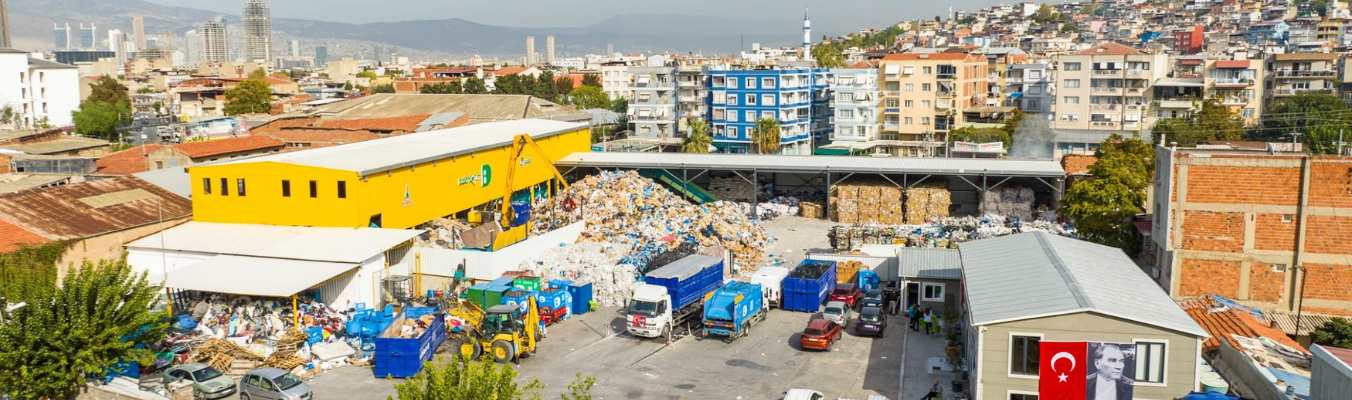
Uncollected waste refers to the garbage and refuse that remains untreated and accumulates in public spaces, residential areas, and natural habitats due to inadequate waste management systems. Unattended waste can become breeding grounds for disease-carrying pests and pathogens, posing significant health risks to nearby communities. 

Furthermore, uncollected waste can contaminate soil and water sources, leading to environmental degradation and potentially affecting ecosystems and wildlife. In urban settings, uncollected waste may clog drainage systems, resulting in flooding during heavy rains. The lack of proper waste collection also perpetuates the cycle of improper disposal practices, as people resort to open dumping or burning waste, exacerbating air pollution and greenhouse gas emissions. 

A staggering 90% of waste produced in low-income countries is openly dumped or burned, most of which come from rapidly growing cities.
Potential Solutions

The imperative is for cities to develop waste management programmes that increase collection rates and eliminate leakage before, during and after transport to storage facilities.

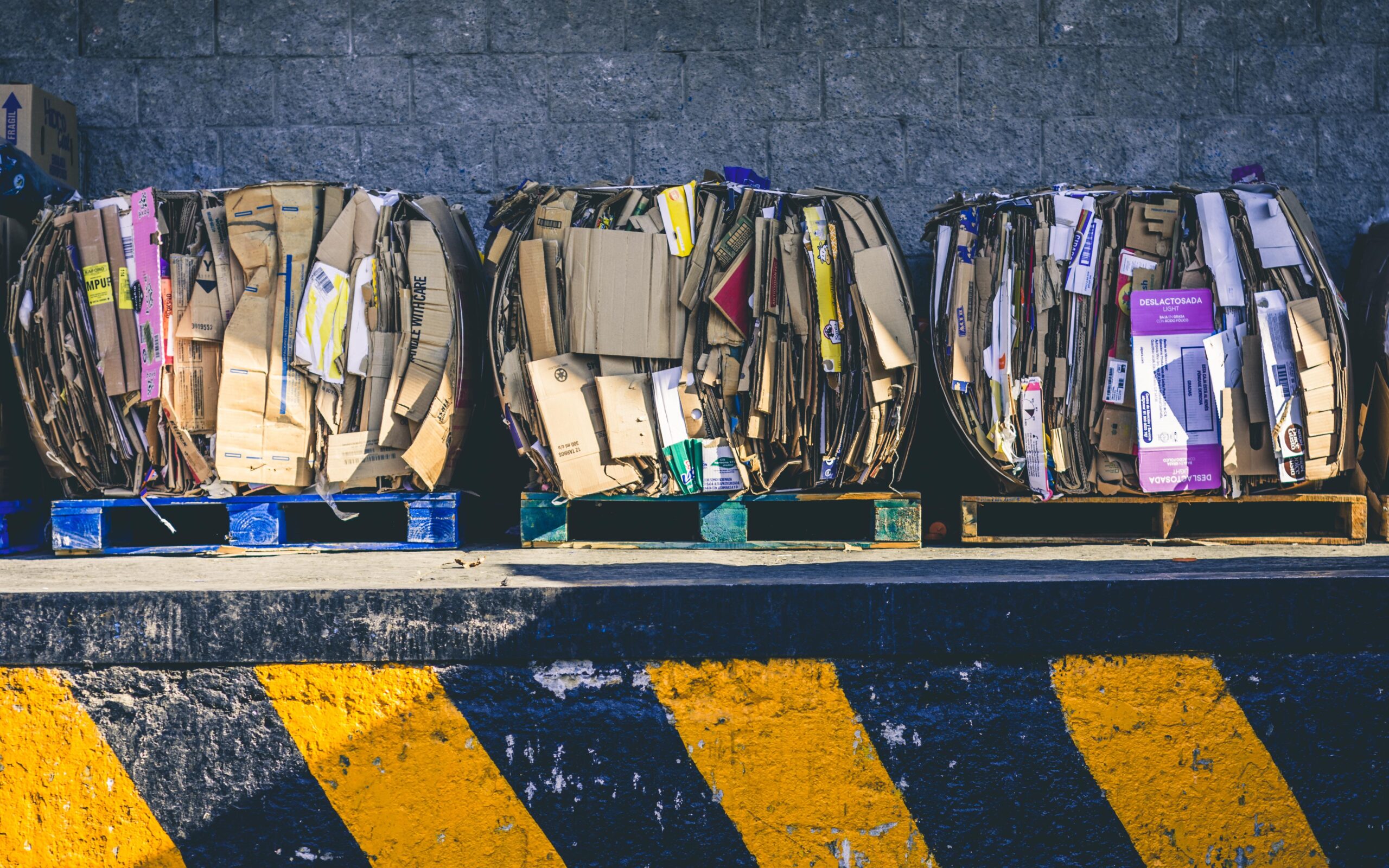
By collecting plastic waste effectively, we can support proper disposal and achieve higher rates of recycling, preventing it from ending up in landfills, water bodies, or being incinerated, thereby reducing pollution. No other solution can promise such an immediate or lasting impact.Post-consumer plastic packaging waste (PPW) can be collected for recycling via:

  • Source separation, where households or industries separate plastics from other waste before collection
  • Post-separation, where waste is separated at a treatment centre (such as waste banks, Material Recovery Facilities) after collection

There are also two collection schemes, either curbside or via drop-off locations. These different schemes have an impact on total costs of collection at the municipal level. It can also influence facility choices and network design. Ideally, a method to compare the costs of various collection schemes is needed to design or adopt what is most suitable for a particular locality.

Collection Approaches

Cleaning up Canals in Venice to fight tyre pollution
WWF | Cleaning Up Canals In Venice
Izmir Case Study
WWF | Transforming Waste Management and Lives in Izmir, Türkiye
Surat Thani Case Study
WWF | Community Generates Funds from Selling Recyclables through a Waste Bank Initiative
alfonso-navarro-qph7tJfcDys-unsplash
Sweepsmart
digitalization
Waste Collection Digitalisation
qtq80-oslJd7
Project Stop
qtq80-2xxpxj
Plastic Bank
qtq80-wLO2GW
Nordsense 
qtq80-7bcNFn
Fishing for Litter
qtq80-KxrlRc
Municipal Collection

Related Stories

Plastic Smart Ports
Plastic Smart Ports Project Launched to Reduce Plastic Leakage and Protect Marine Habitats in the Mediterranean 
A major step has been taken in the fight against plastic pollution in the Mediterranean with the official...
Read More
Indonesia Youth Sustainability Index Report 2025 launch
WWF-Indonesia & YouthLab Indonesia Launches Youth Sustainability Index Report 2025
WWF-Indonesia Plastic Smart Cities and YouthLab Indonesia launched the Youth Sustainability Index Report...
Read More
Island-based Initiatives on Driving Waste Collection and Recycling in Semporna  
Coastal Communities Drive Waste Collection and Recycling in Semporna Islands 
Island Recycling Centers Enhance Waste Management in Three Islands in Semporna  On Larapan Island...
Read More