UNEP, UNODC | How Waste Trafficking Hinders the Development of Circular Economies: Impacts, Challenges, and Solutions from SouthEast Asia
As global waste generation approaches critical thresholds, illegal waste trafficking has emerged as a major barrier to sustainable development across Southeast Asia. Between 2017 and 2021, ASEAN nations collectively imported more than 100 million tonnes of metal, paper, and plastic waste valued at nearly $50 billion, accounting for 17% of the global plastic waste trade […]
ERIA, IGES | Plastic Pollution Countermeasures: Effective Global Actions and Case Studies from East Asia
Plastic pollution represents one of the most pressing environmental challenges in Southeast and East Asia, with seven ASEAN+3 nations ranking among the top ten global contributors to annual ocean plastic emissions. To address critical data gaps, low recycling rates, and waste management infrastructure deficits across the plastic value chain, the Economic Research Institute for ASEAN […]
World Economic Forum | Plastic Pollution and Biodiversity: a Global Overview
Every year, an estimated 130 million tonnes of plastic waste are unmanaged or improperly discarded, polluting soils, waterways and seas. While efforts continue to promote a circular economy and pursue a global plastics treaty, far less attention has focused on how plastic pollution affects biodiversity and the ecosystem services that underpin economies and human well-being. […]
2030 strategy – No Plastic in Nature Initiative: Driving Systems Change in the Global Fight Against Plastic Pollution
Despite growing global awareness, the plastic pollution crisis continues to escalate. More than 30,000 tonnes of plastic leak into our oceans every day, posing increasing threats to ecosystems, economies, and human health. The WWF No Plastic in Nature 2030 Strategy sets out a comprehensive blueprint to stop environmental plastic pollution by transforming the global plastics […]
Perú Circular Game: Education on Proper Solid Waste Management
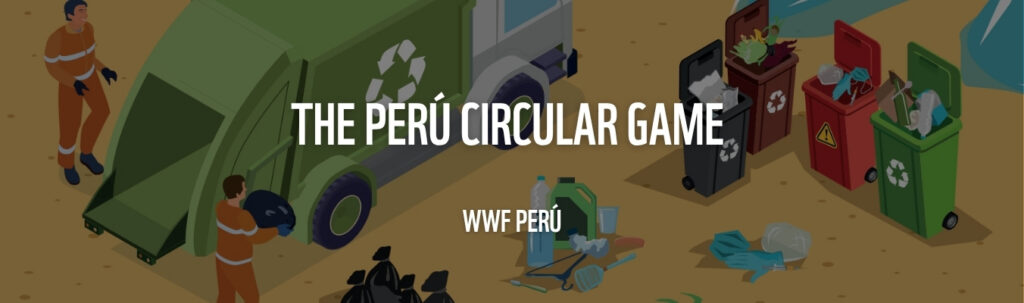
The “Perú Circular” game was developed under WWF’s Plastic Smart Cities initiative in Peru to make learning about plastic waste reduction engaging and accessible. Language: Spanish Developed within the framework of WWF’s Plastic Smart Cities initiative, the “Perú Circular” educational game provides an engaging trivia experience designed to transform household waste habits and deepen public […]
Colombia National Plastic Action Partnership, Global Plastic Action Partnership | Plastic Pollution and Biodiversity in Colombia: Pathways for Environmental and Economic Resilience
Every year in Colombia, approximately 31,000 tonnes of plastic leak into aquatic ecosystems, 68,000 tonnes end up in soils, and more than 202,000 tonnes are openly burned. WWF Colombia, as the implementor of the Colombian National Plastics Action Platform (NPAP Colombia), with support from the World Economic Forum (WEF) through the Global Plastic Action Partnership […]
Building a Circular Island System in Koh Tao: Creating Pathways for Low-Value Materials
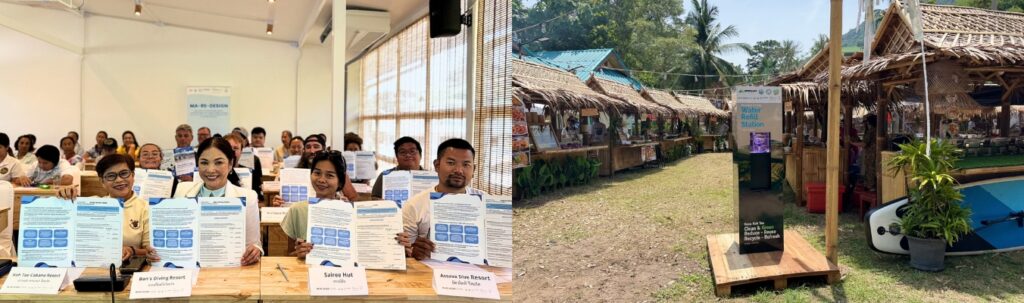
Under the MA-RE DESIGN project, Trang City and Koh Tao municipalities commenced their Plastic Smart Cities journeys in 2025. In Trang, the emphasis was on strengthening the municipal, community, and informal sector foundations needed for future circularity. While in Koh Tao, the work focused on overcoming island-specific barriers to recover low-value materials. This article will […]
Hue’s Consistent Effort in Combatting Plastic Waste
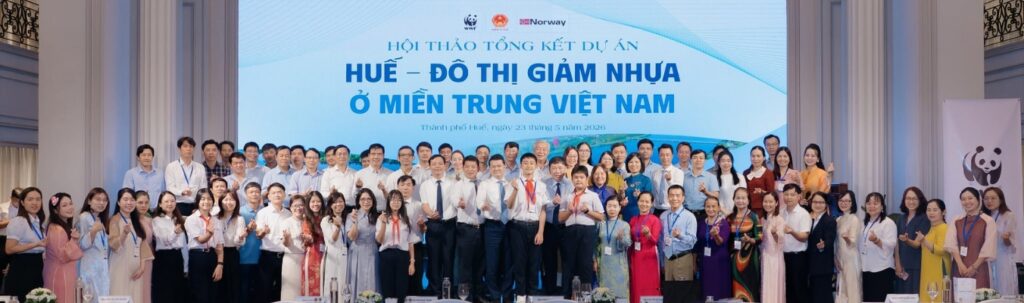
Hue city was honored to be recognised as Viet Nam’s 2026 National Winner of WWF’s One Planet City Challenge, reflecting the city’s broader commitment to sustainability, in addition to being a Plastic Smart City, actively combatting plastic pollution since 2021. The Plastic Smart Cities project has supported these efforts through plastic waste collection and education, […]
Ecuador Advancing the Voluntary EPR Scheme through Packaging and Containers Sustainability Program

According to the Global Plastic Action Partnership, approximately 627,000 tonnes of plastic waste was generated in Ecuador in 2022. Although 8% was effectively recycled with 87% collected, an estimated 40%, equivalent to approximately 250,000 tonnes, was ultimately mismanaged, increasing the risk of leakage into the environment and harm to human health and ecosystems. Furthermore, Ecuador’s National Plan for the Reduction of Plastic Waste indicates that more than 80% of […]
GIZ | Scaling Reuse System Through Behaviour Change: Insights from Southeast Asia
Plastic pollution remains one of the most critical environmental crises in Southeast Asia, fueled by rapid urbanisation and an overwhelming reliance on single-use sachets and takeaway packaging. While recycling remains a vital part of the puzzle, true sustainability requires stopping waste at the source through scalable circular-economy initiatives. This comprehensive GIZ report explores how behavioural […]