Hue city was honored to be recognised as Viet Nam’s 2026 National Winner of WWF’s One Planet City Challenge, reflecting the city’s broader commitment to sustainability, in addition to being a Plastic Smart City, actively combatting plastic pollution since 2021. The Plastic Smart Cities project has supported these efforts through plastic waste collection and education, while engaging the tourism, and informal sectors.
Project Background & The Plastic Challenge in Hue
The journey began with a significant challenge. Results from a waste flow baseline assessment contracted by WWF-Viet Nam in 2021 revealed that Hue city generated over 400 tonnes of household waste every day, of which more than 60 tonnes were plastic. Since waste was not consistently sorted at the source, trash ends up getting mixed together, putting an immense strain on the city’s collection and processing systems, and taking a heavy toll on the local environment.
The project was thus designed with a comprehensive roadmap based on five key objectives: improving policies and strengthening the role of stakeholders; reducing plastic waste generation; reducing waste leakage during collection and transportation; increasing recovery and recycling rates; and improving treatment and disposal practices.
Awareness and Community Participation in Waste Segregation
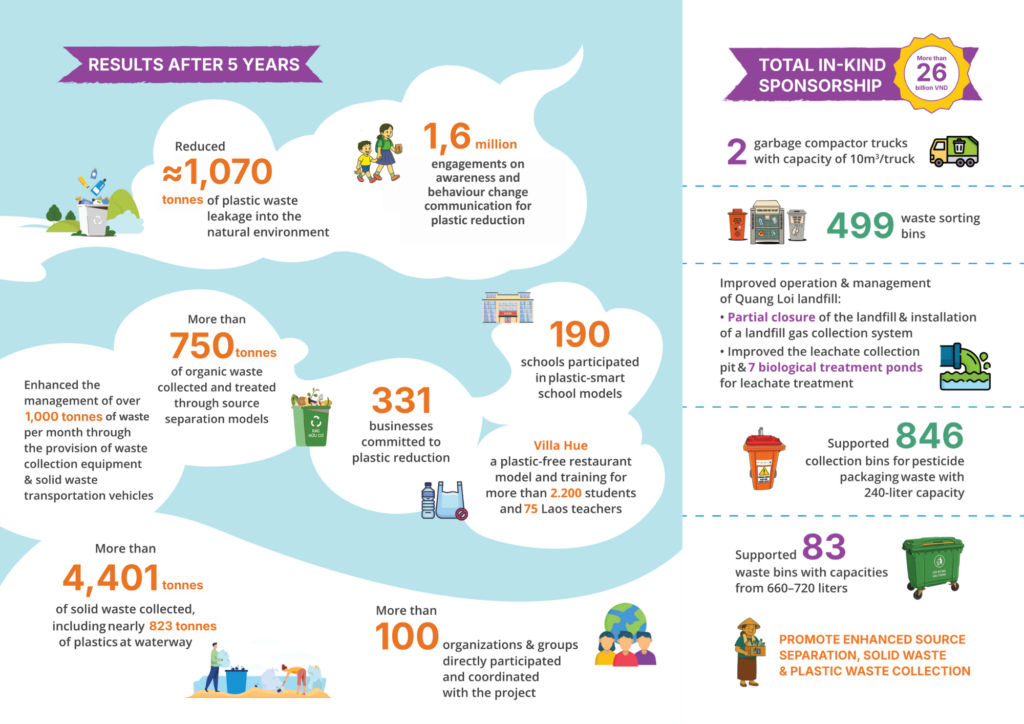
Through the implementation of segregation at source and targeted interventions, the project has achieved measurable success in waste diversion and community engagement, embedding sustainability into local practices. The city has successfully turned over 750 tonnes of organic scraps into compost, while also pulling more than 4,400 tonnes of waste — including 823 tonnes of plastic — directly out of waterways.
A green mindset has also made its way into classrooms. The “Plastic Reduction Schools” model is being implemented in 190 schools across Hue city, actively teaching students, teachers, and parents how to live more sustainably.
Introducing Plastic-Free Tourism Services
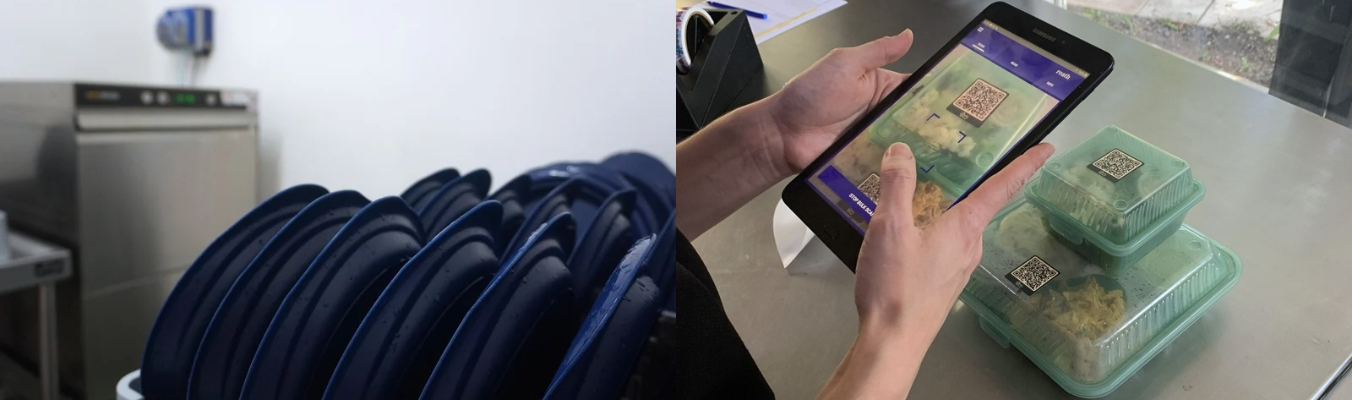
The project has also revitalised the tourism sector by partnering with hundreds of hospitality businesses to promote plastic-free services, developing new eco-friendly tour routes, and installing public water refill stations to curb the reliance on single-use plastics.
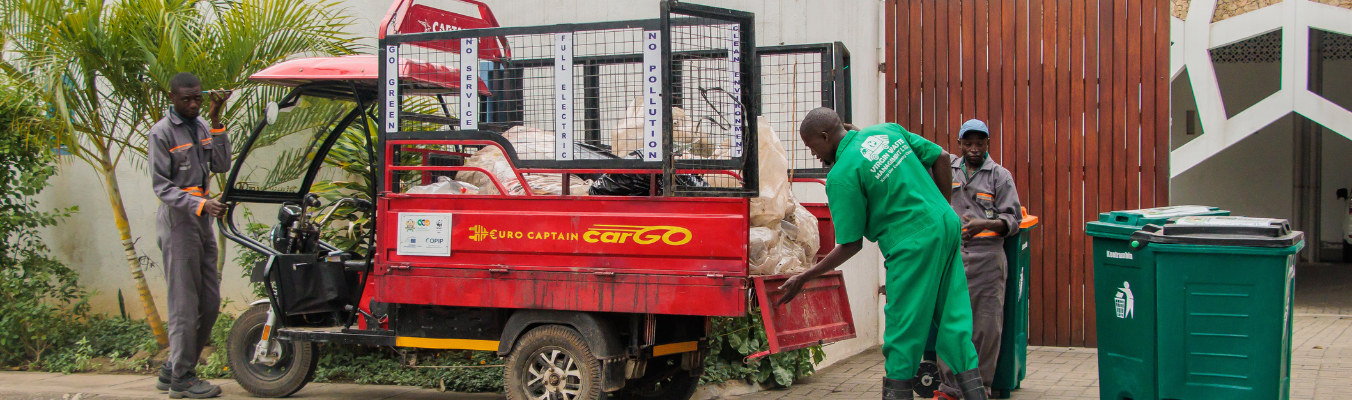
Furthermore, to empower those on the front lines of waste collection, three waste-picker cooperatives were supported with formalisation – safety and fire-prevention infrastructure was also upgraded at 52 local scrap facilities, taking into account improved livelihoods and safer working conditions for the community while protecting the environment.
Conclusion and Outlook
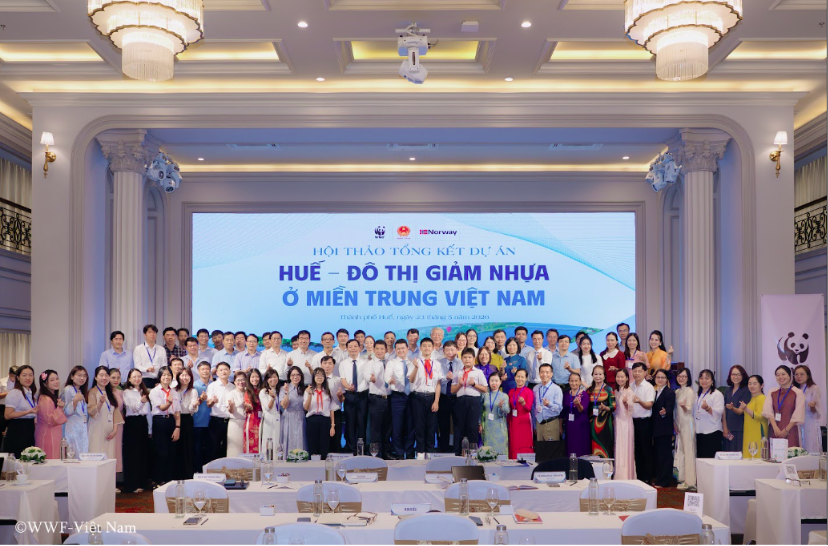
After five years of implementation, on May 23rd 2026, the project celebrated its achievements and acknowledged the support of project partners, including Hue City’s People’s Committee, Hue Department of Agriculture and Environment, Hue Department of Tourism, the Viet Nam Fatherland Front and mass organisations, representatives from schools, businesses, and communities, who played key roles in its success. Having these stakeholders share their own experiences and stories of change resulting from the project’s support, well-demonstrated its achievements and impact from their point of view.
The closing session highlighted not only the tangible successes of the project, but also the transformative power of community-led testimonials in evaluating environmental policies such as waste segregation at source and plastic-free tourism. By documenting these narratives, the project has transitioned from a localised pilot into a valuable knowledge resource. The insights captured during this process serve as a critical guide for policymakers and practitioners, ensuring that lessons learned in Hue can be effectively translated into sustainable, scalable strategies for waste management reform in other regions.
Access more publications related to Hue’s effort in managing plastic waste management