Every year in Colombia, approximately 31,000 tonnes of plastic leak into aquatic ecosystems, 68,000 tonnes end up in soils, and more than 202,000 tonnes are openly burned. WWF Colombia, as the implementor of the Colombian National Plastics Action Platform (NPAP Colombia), with support from the World Economic Forum (WEF) through the Global Plastic Action Partnership (GPAP), has produced the country’s first integrated assessment of the ecological, socioeconomic, and governance dimensions of plastic pollution.
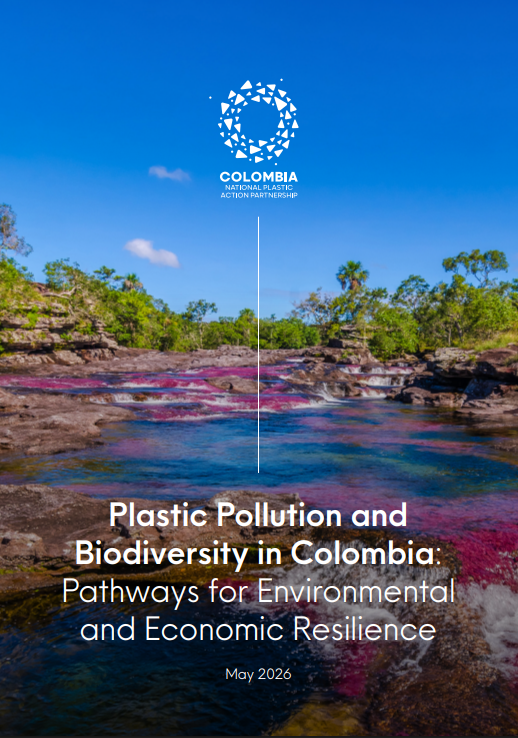
This assessment aims to close key knowledge gaps and identify the areas most affected by plastic pollution, focusing on the impacts on biodiversity (ecosystems, species, and ecological functions) and, secondarily, on how these impacts affect the benefits that nature provides to people. By analyzing the most comprehensive evidence available, the document supports coordinated action and investment across various sectors, as well as guiding Colombia’s national roadmap on plastics and biodiversity to 2040. By identifying ecosystems and species at risk, as well as opportunities for targeted interventions, this assessment strengthens Colombia’s commitment to protecting terrestrial and aquatic biodiversity while tackling plastic pollution.