In an era of rapid urbanisation, data is the most powerful tool for cities aiming to become plastic-smart. What a Waste 2.0: A Global Snapshot of Solid Waste Management to 2050 provides the essential metrics required to navigate this transition. Covering waste generation trends across 217 countries and territories, this World Bank report serves as a critical resource for local governments—particularly in high-impact regions like Southeast Asia and India—to benchmark their progress, address plastic pollution, and implement systemic changes for a resilient, circular future.
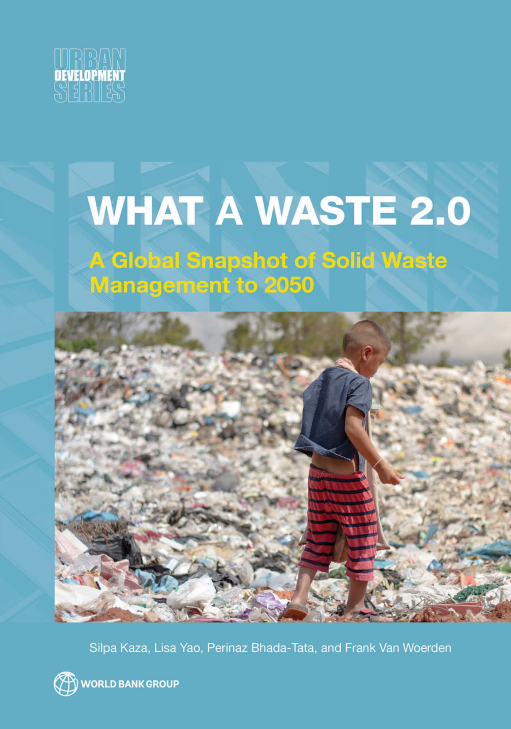
The What a Waste 2.0 report is a comprehensive update on the state of global waste, offering a data-rich outlook on how management systems must evolve. Key highlights of the publication include:
- 2050 Projections: Strategic forecasts that predict a 70% increase in global waste by 2050 unless urgent systemic interventions are made.
- Economic and Income Correlations: A detailed analysis of how wealth and urban growth influence waste composition, with a focus on the rising challenges in low- and middle-income countries.
- Management and Financing: Essential data on the costs of waste services, providing a roadmap for sustainable financing and improved municipal solid waste infrastructure.
- Resource Recovery and Circularity: Evidence-based strategies for improving collection rates and integrating community-based waste management to stop environmental leakage.
This resource is indispensable for city planners, environmental practitioners, and stakeholders in the Plastic Smart Cities movement who are dedicated to data-driven solutions for a cleaner planet.