As the global plastic crisis intensifies, understanding the trajectory of waste generation is essential for building resilient, plastic-smart urban centres. The World Bank’s latest publication, What a Waste 3.0: Global Snapshot of Solid Waste Management Toward Circularity until 2050, provides a critical data-driven roadmap. This report offers a comprehensive look at current waste management practices and explores how local governments—particularly in rapidly urbanising regions like Southeast Asia and India—can transition towards a circular economy to stop plastic leakage at its source.
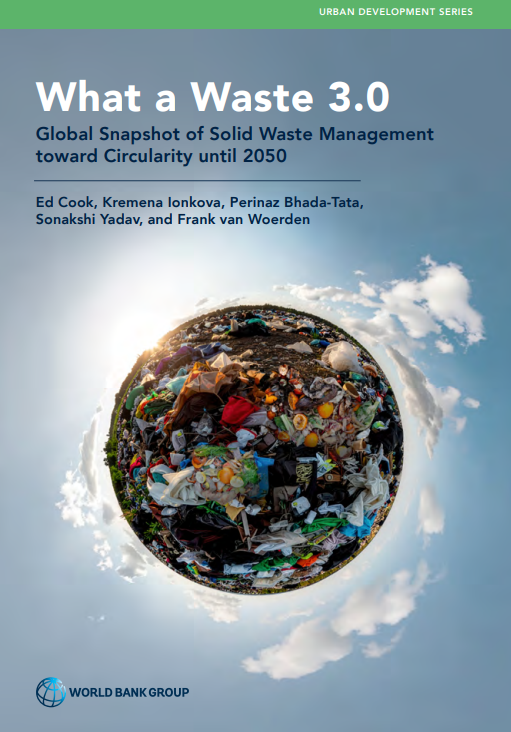
The What a Waste 3.0 report serves as a global benchmark for solid waste management data, offering projections and trends that will shape environmental policy through to 2050. Key highlights of the publication include:
- Global Projections: An in-depth analysis of how waste generation rates are expected to rise alongside urban population growth.
- Pathways to Circularity: Strategies for moving beyond traditional disposal towards resource recovery and circular systems.
- Regional Insights: Targeted data for high-impact regions, including the Philippines, Indonesia, and Viet Nam, focusing on the unique challenges of coastal and island waste management.
- Community-Based Solutions: Evidence-based approaches to improving local waste collection systems and the integration of informal waste sectors.
This resource is indispensable for city planners, NGOs, and stakeholders within the Plastic Smart Cities movement who are committed to implementing systemic interventions that reduce environmental impact and improve urban livelihoods.