Case Study
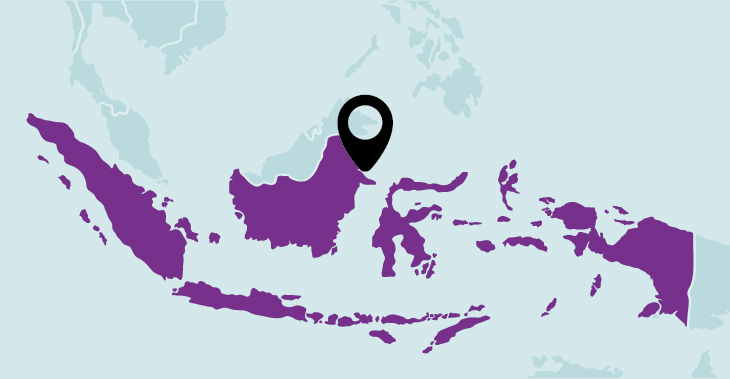
Derawan Islands, Indonesia
- Activities Undertaken:
Reduce, Recycle, Responsible Disposal - Initiator: WWF-Indonesia
- Year: 2023 onwards
Key Takeaways
- Demonstrating tangible infrastructure improvement is key for community (user) participation and commitment. Education, behaviour change and regulations hinge on availability of waste infrastructure.
- Developing waste management facilities can encounter practical challenges. Limited land availability and governance coordination affect
land acquisition, permitting process, and timelines. - Embedding operational budget within regulations is essential to ensure that ongoing operational and technical costs are clearly mandated and sustainably covered by the designated management authority. Long-term sustainability depends on government ownership and integration ofwaste management into local regulations and planning
This case study is 1 of 10 that focus on effective waste management in small islands and coastal communities.
Situation
Located off the coast of East Kalimantan and known for their rich biodiversity, the Derawan Islands are the gateway to an MPA. Relying heavily on fisheries and tourism, plastic pollution, especially soft plastics, is ubiquitous and poses a threat. The nearest landfill (Tanjung Batu) and recycling facilities (Tanjung Redeb) are on mainland East Kalimantan, located inland along a river accessible by boat from the islands. Waste aggregators in Tanjung Redeb accept recyclable plastic, which are sold on to processors in Surabaya. With a lack of waste infrastructure, local policies have not been stringent. Households generate a significant share of daily waste, with an estimated 43% reportedly dumped into the sea due to limited waste management services (Derawan TPS 3R Feasibility Study, 2023).. However, the tourism and hospitality sectors also contribute substantially to plastic waste generation due to visitor activity.
Complications
Geographical access to recycling: Access to buyers of recyclable materials exists, but transportation and logistics remain a significant challenge due to limited accessibility of the Derawan Islands.
- Uncertain long-term sustainability: Institutionalizing NGO-led projects is difficult without government ownership.
- Evolving Multi-Level Governance Processes: Government processes are still being harmonized, while roles across administrative levels continue to evolve. Multi-step land permit procedures and cross-authority approvals lead to extended timelines (such as the TPS3R development), contributing to occasional fragmentation in waste management.
- Limited community and sector awareness: Civic and business engagement is in early stages, necessitating a broader community buy-in and long-term commitment for sustainability.
- Marine plastic pollution: Ocean currents bring in discarded and unmanaged waste from neighbouring shores and the sea, mostly consisting of degraded soft plastics.
Resolution
- With support from WWF-Indonesia, a waste management masterplan has been officially adopted by the local government. This enabled a plot of land to be allocated for establishing a TPS3R facility, a decree by the Head of Derawan Village legalizing 10 waste workers for operations, and the drafting of waste regulations in consultation with village, district and MPA authorities.
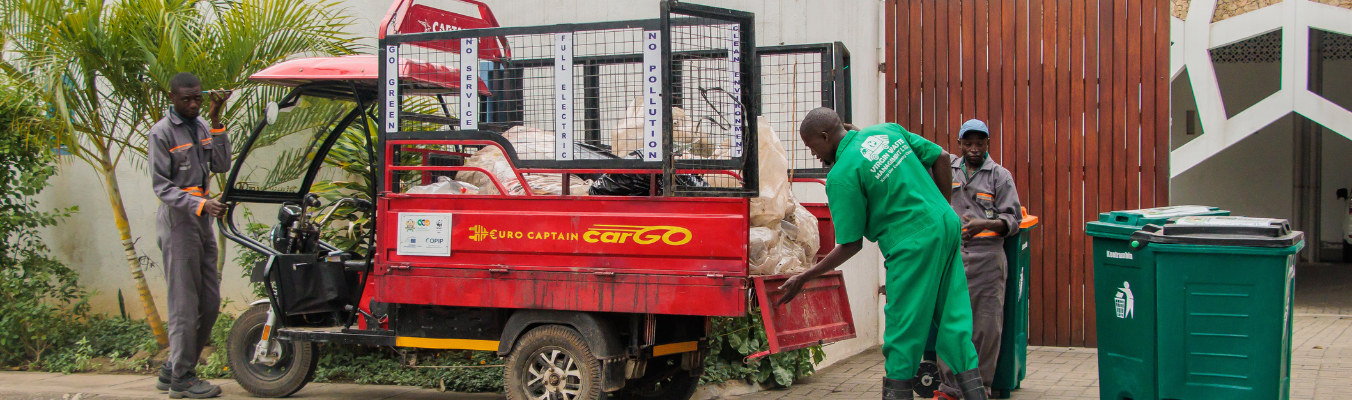
- Waste collection and transport systems were strengthened through provision of three-wheeled vehicles for local collection and a regular boat service to shuttle waste to mainland landfill.
- Operational capacity for the TPS3R facility has been developed through training of local waste workers and procurement of supporting equipment, including a baling machine for plastic waste processing.
- Waste monitoring and data collection systems were established with participation from local youth groups, universities and the tourism sector. These efforts support evidence-based management decisions and help assess environmental and economic impacts.
Impact
- Village leadership and local waste governance were strengthened through the development of waste regulations based on public consultation and agreement.
- Over 700 people have participated in campaigns and clean-up events, contributing to increased awareness regarding coastal waste issues.
- A pilot material recovery facility (MRF) was developed through a participatory co-creation process involving multiple stakeholders and rights-holders across different governance levels.
- Improved waste management supports efforts to reduce ecological pressures and contributes to the long-term effectiveness of MPA zoning, conservation targets, and sustainable marine tourism management.
Governance & Policy

- Limited waste infrastructure made it difficult to introduce and enforce waste management regulations.
- Gaps in roles and responsibilities across administrative levels resulted in coordination challenges among authorities.

- Strong community engagement through outreach, training and clean-up initiatives increased awareness and strengthened local commitment to improved waste management.
- Adoption of a waste management masterplan strengthened coordination and commitment among village, district and provincial
authorities.
Capacity, Capability, and Technology
- Derawan’s island geography limits waste collection and transport logistics, increasing operational costs.
- Limited waste management awareness among residents, visitors, tour operators and hospitality businesses contributes to higher plastic waste generation.
- Improved waste collection and transport capacity (including three- wheeled carts and boat services) strengthened waste handling and reduced leakage into the environment.
- Engagement of the Tourism Awareness Group (Pokdarwis) and tourism businesses promoted responsible marine tourism practices including reducing SUPs and improving waste management.
Funding, Financing, and Access to Market
- Limited public funding, combined with high transport costs, make waste management prohibitively costly.
- Limited clear economic incentives reduce motivation for authorities, businesses, and communities.
- Derawan’s current waste regulation (pending approval) states that public incentives and funding should be provided for the TPS3R. This can be partially funded by monthly waste collection fees, once the TPS3R is operational.
Cross-Sectoral Collaboration & Other Value Chain Enabling Activities
- Limited coordination and leadership across key sectors (households, fisheries, tourism etc) slows collective action.
- Limited participation from recycling partners slow progress towards circularity.
- Active stakeholder engagement facilitated strong local leadership, which helped to fast-track regulatory progress despite limited centralized regulation.
- Engaging the tourism authority for destinations, industry, and community actors in monitoring processes, using the sustainability of marine tourism destinations approach within the MPA as a key reference.