Case Study
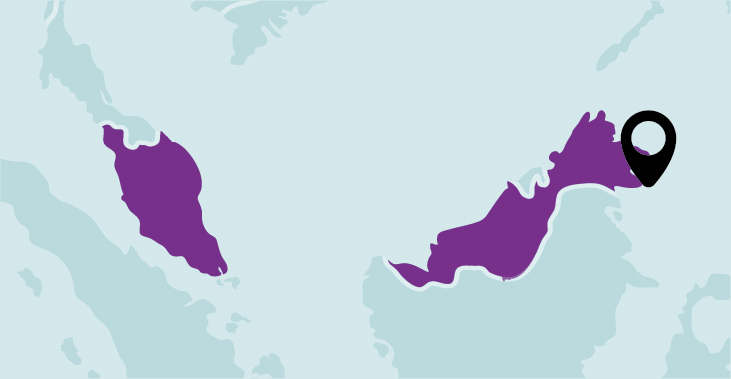
Semporna, Malaysia
- Activities Undertaken:
Reduce, Recycle, Responsible Disposal - Initiator: WWF-Malaysia
- Year: 2023 onwards
Key Takeaways
- Co-developing waste management plans with communities, tourism operator, local authorities and key stakeholders foster local ownership, and helps establish more effective and reliable waste collection, segregation, and transportation systems, particularly on islands where waste processing infrastructure is limited.
- Community-based organis
zations and local stakeholders play a vital role in implementing waste management activities on the islands, including Mabul Eco Youth, SJ SEAS, Mabul Cleanliness Committee, Iskul Sama Dilaut Omadal, Community Action Group (CAG) in Larapan, Omadal and Mabul and Wanita Pulau Omadal. However, these efforts continue to face challenges such as limited financial resources, increasing transportation and fuel costs, weather-related disruptions, and varying levels of community participation.
The long-term success of island waste management initiatives depends on sustained collaboration among communities, government agencies, tourism operators, and supporting organizations. Clear roles, coordinated planning, and resource sharing are essential to maintaining operations and addressing logistical constraints.
Circular economy opportunities are emerging through recycling, upcycling, and community-led enterprises. However, these initiatives remain dependent on external buyers and mainland processing facilities, highlighting the need to strengthen local markets and create greater value from recyclable materials within the region.
This case study is 1 of 10 that focus on effective waste management in small islands and coastal communities.
Situation
Island communities in Semporna face increasing waste generation from households, tourism, and fisheries activities. Limited land availability, inadequate waste management infrastructure and high dependency on the mainland facilities for processing contribute to waste accumulation and marine pollution. To address these challenges, WWF-Malaysia has supported community-led waste management systems, including Rumah Kitar Semula (RKS) and plastic upcycling initiatives to improve waste recovery, encourage behavioural change and reduce plastic leakage into the marine environment.
Complications
- Lack of recycling markets: Recycling markets for island-based plastics are still small, inconsistent, and dependent on mainland buyers such as Malaysia Recycling Alliance (MAREA). Prices fluctuate, and transportation cost often outweighs revenue.
- Inconsistent waste collection and segregation practices: While regular clean-up activities help remove waste from the environment, they do not fully address the root causes of pollution. Key challenges such as vary community participation, limited collection services, weak enforcement, and improper waste handling by some tourism and business operators continue to contribute to waste leakage into the environment.
- Underdeveloped local waste governance frameworks: Policies on waste segregation, household responsibilities, tourism operator compliance, and waste transport at the island level remain largely informal, non-binding, and in some cases outdated. Implementation relies heavily on voluntary action, while mechanisms to translate field experience and research into formal policy are still limited.
- Transportation challenges: Transportation of recyclables remains a key operational challenge, constrained by weather conditions, fuel costs, limited boat availability, and the long distance to mainland. This limits the frequency of buyback and creates storage constraints at RKS.
Resolution
- Development of Rumah Kitar Semula in three islands (Larapan, Omadal, Mabul) as centralized hubs for segregation and storage. In Mabul the RKS also function as an upcyling facility.
- Creation and Implementation of Waste Management Plans for each island, co-created with communities and tourism stakeholders.
- Introduction of plastic upcycling technology in Mabul to transform plastic waste into value-added products, creating local income streams.
- Strengthened partnerships with Malaysia Recycling Alliance (MAREA) and Malaysia Plastics Recyclers Association (MPRA) for buyback and tracking of recyclable throughput.
- Integration of monitoring systems for monthly data collection, zoning systems, and stakeholder reporting.
Impact
- Significant progress in reducing plastic leakage into Semporna’s nearshore marine ecosystems has been achieved through the collection of 12,432.3 kg of plastic waste and recycling of 1,857.95 kg via community-led initiatives from January 2024 – May 2026.
- Community participation has steadily expanded since the initiative began, with the number of participating households increasing from 30 to 105 in Larapan and from 34 to 66 in Omadal by 2026.
- Plastic upcycling project have transformed plastic waste into marketable handicraft products, generating RM58,123.00 in sales revenue between April 2025 and May 2026.
- The socialisation of the Community Waste Management Plan with the Semporna District Council and Semporna District Office has strengthened institutional collaboration and support.
Governance & Policy

- Absence of clear island-level waste policies or enforcement mechanisms.
- Slow integration of EPR principles into local contexts; producers’ involvement still minimal on the ground.
- Fragmented roles between district offices, tourism authorities, and village leadership.

- Growing recognition of community-led waste management initiatives by local authorities.
- Partnering with Semporna District Council and tourism operators helps address logistical issues.
Capacity, Capability, and Technology
- Limited technical skills on machinery operation, maintenance, and quality control for upcycled products.
- Inconsistent data capturing due to limited digital tools and manpower.
- Weather-dependent transportation and logistics disrupt the consistent collection and transfer of waste.
- Reliance on basic infrastructure constrains the efficiency of field implementation and limits operational capacity on the islands.
- Hands-on training from WWF-Malaysia and partners on segregation, data collection, and monitoring.
- Youth groups (Mabul Eco Youth), Waste Coordinators, and part-time collectors actively supporting field operations.
- Introduction of upcycling technology catalyses local interest and innovation.
- Development of clear SOPs and zoning systems (e.g., Larapan A/B/C) standardises operations.
Funding, Financing, and Access to Market
- Limited budget allocation for small islands under district waste management planning.
- Recycling markets still rely on external buyers; island-based volume too small to attract stable contracts.
- Community groups require consistent funding for fuel, equipment maintenance, and manpower allowances.
- Sustained implementation of activities remains highly dependent on external funding support.
- Partnerships with MAREA and other recyclers provide multiple buyer options, improving access to markets and enabling better sales value for collected recyclable materials.
- Subgrant mechanisms (e.g., to Scuba Junkie SEAS, CBOs) support operational continuity.
- Growing interest in CSR opportunities related to circular economy and plastic reduction.
- The upcycling machine in Mabul create an opportunity for long term sustainable financing.
Cross-Sectoral Collaboration & Other Value Chain Enabling Activities
- Different interest and priorities of tourism operators, communities, and agencies.
- Limited long-term commitments from some private operators after initial engagements.
- Data-sharing between stakeholders is irregular, making joint decision-making slower.
- Fragmented coordination and unclear roles and responsibilities across the plastic waste management value chain.
.
- Partnership models with tourism operators (e.g., Scuba Junkie SEAS) strengthen coordination and support the sustainability of waste management efforts.
- Community organisations (Community Action Groups (CAG)) act as operational anchors.
- Multi-stakeholder FGDs and NPIN meetings promote transparency and trust.
- Engagement with research partners supports evidence-based planning.