In February 2026, WWF-Indonesia kicked off a “Zero-waste Campus” programme in Yogyakarta to support local universities in curbing plastic pollution.
The Piyungan Crisis: Overloaded Landfill Calls for Better Waste Management
The Piyungan landfill, which served Yogyakarta city, Sleman and Bantul Regency, closed in May 2024 due to severe overloading after operating for 29 years. However, Yogyakarta and its surrounding areas were not prepared to manage the volume of waste generated without a landfill. This was evidenced by the fact that the landfill had to be temporarily reopened just days after its closure, as garbage began to pile up along the main roads of Yogyakarta. After the closure of the Piyungan landfill, the Yogyakarta Regional Government issued a policy on decentralised waste management, where each district/city must process its waste independently – its mandate including institutions like universities. However, implementation remains challenging, due to the lack of experience, knowledge and working systems to manage waste properly and cost-effectively.
Zero-Waste Campus Initiatives
In compliance with the new regulation and to address this waste challenge, WWF-Indonesia, in collaboration with the Yogyakarta Environmental Agency, has initiated the Zero-waste Campus initiative. Following a selection process based on existing capacity and infrastructure, six universities were chosen to lead this movement to raise awareness among students and campus staff:
- Gadjah Mada University (UGM)
- Ahmad Dahlan University Yogyakarta
- Atma Jaya University Yogyakarta
- Sanata Dharma University
- UPN “Veteran” Yogyakarta
- Mercu Buana University Yogyakarta
The Zero-waste Campus movement aims at changing consumption and production behaviour, starting with young people and academics on campus. As centers of excellence, campuses are expected to generate creative and unique ideas that lead to sustainable and cost-effective waste management systems.
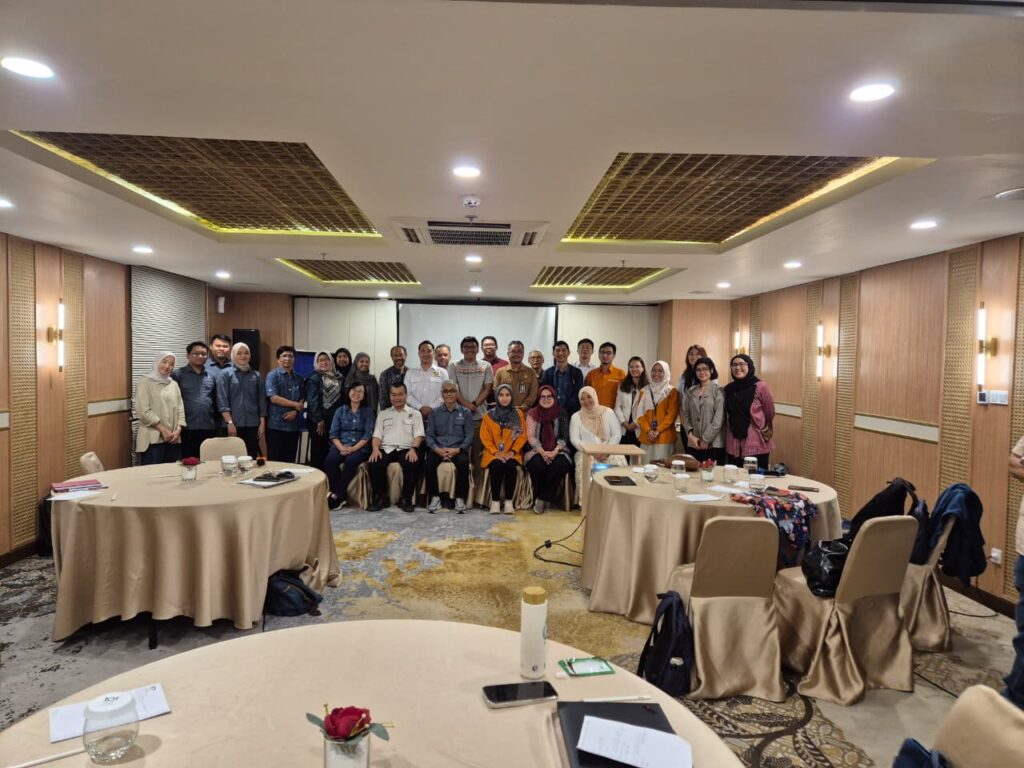
During the two-day kick-off workshop (23-24 February), all six universities presented their current waste management systems and proposals for the project’s 12-month period.
Most of the universities acknowledged that they previously relied on public waste-treatment services. However, since the landfill’s closure, it has had to manage waste independently, despite limited experience and expertise. Although some awareness-raising activities have been conducted, students and staff have not yet developed consistent habits of reducing plastic waste.
With weak waste separation systems, they are paying a relatively high monthly fee to a third-party service to collect all residual waste. By participating in the project, the universities aim to gain knowledge and support to enhance waste management in a cost-effective manner.
Based on identified problems, six waste management plans were introduced and customised to fit with each university’s existing infrastructure and capacity. These customised plan will focus on:
- The development and enhancement of the campus’ policy on plastic reduction
- To carry out and implement plastic waste management operational models on campus and in the community, and
- To educate the academic community, including students and staff, about plastic use establish consistent plastic-reduction practices to promote behaviour change towards plastic usage.
Among the chosen universities, WWF-Indonesia is supporting Gadjah Mada University (UGM), the largest university in Yogyakarta, to foster sound waste management and increase separation and collection rates of recyclable plastic waste. By leveraging UGM’s influence with the municipal government and its eventual learnings from this pilot, WWF-Indonesia aims to develop policy recommendations for all universities in Yogyakarta to reduce plastic pollution and scale up local policy for plastic reduction across the Yogyakarta region.