The initiative aims to better integrate informal waste workers (known as “saleng” in Thai) to into formal recycling systems, strengthen public–private partnerships, and promote sustainable waste practices across the city.
1 June 2025 — Trang’s first informal waste workers network – locally referred to as the Saleng Network – was launched on 29 May 2025 in close partnership with municipal leaders, civil society actors, informal waste workers, and supported by WWF-Thailand. Underscoring Plastic Smart Cities’ mission to support cities in scaling effective, inclusive, community-driven solutions to plastic pollution, the launch was attended by local officials, representatives from WWF-Thailand, and partners such as GIZ, with Deputy Municipal Clerk Ms. Chantip Rangsiprakarn presiding over the launch ceremony.
Trang’s Saleng Network builds on an existing collaboration between WWF-Thailand and the Trang Municipality, which aims to eliminate plastic waste leakage into nature and improve the conditions of those who work on the frontlines of recycling and recovery. This initiative was replicated after Trang City officials visited Surat Thani – another Plastic Smart City in Thailand – and learned about their Saleng Network.

Fostering Inclusive Waste Management — Integrating Informal Waste Workers into the Circular Economy
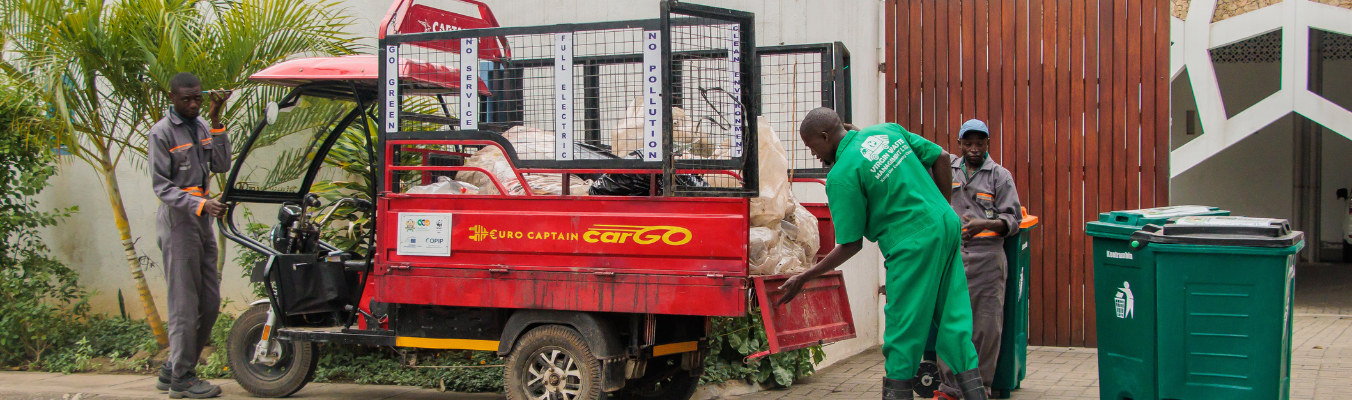
As part of its commitment to the Plastic Smart Cities initiative, Trang is now operationalizing its PSC City Action Plan, prioritizing inclusion, resilience, and the circular economy. A key component of Trang’s City Action Plan is the formal recognition and integration of informal waste collectors (referred to locally as saleng in Thai) who use pushcarts to recover recyclables, as well as local secondhand shops. This was decided upon completing a safeguards risk analysis and a period of strategy development.
By elevating the role of saleng in plastic waste recovery, the Saleng Network would enable greater material value retention, reduced contamination, and a stronger sense of local stewardship over waste. These outcomes align with the broader vision of enabling economically viable and socially just waste systems through the Plastic Smart Cities framework.
A Human-Centered Approach to Systemic Change
To further deepen understanding of informal sector challenges, WWF-Thailand conducted focus group discussions in tandem with the launch. Insights revealed key vulnerabilities that saleng workers face, including unstable income, lack of protective equipment, and limited access to institutional support. Encouragingly, local communities demonstrated high awareness of waste separation, though many expressed the need for practical training and confidence-building.
Analysis of these findings identified actionable opportunities for a more inclusive waste system design, including improved distribution of personal protection equipment (PPE) such as gloves, boots and coveralls, as well as targeted capacity-building for stakeholders in the waste value chain, and strengthening connection of informal waste value chains to municipal waste services. By bringing saleng, junkshops, and local communities into meaningful dialogue, Trang’s PSC project aims to foster a multi-stakeholder ecosystem that prioritizes both environmental outcomes and human dignity.


Trang’s progress illustrates how local partnerships that are deeply grounded in can drive scalable solutions to the plastic crisis. Through the Plastic Smart Cities framework, cities receive tailored guidance on policy design, citizen engagement, and strengthening soft and hard infrastructure towards circular economy — enabling cities to serve as models for sustainable and scalable plastic waste management.
Support from WWF-Thailand to Trang includes facilitated knowledge sharing, technical support, and community engagement to promote effective collaboration between citizens, the private sector, and municipal stakeholders. As WWF-Thailand continues to support and document success stories like Trang’s, these experiences inform a growing body of best practices for other municipalities committed to tackling plastic leakage with equity and innovation at their core.