Since 2024, Barangay Daliao in the Toril District of Davao City has been establishing a community-led foundation for sustainable waste management at the barangay level. Because the pilot program for the collection and segregation of recyclables, particularly plastics, is managed through local systems, the project designed capacity-building initiatives focused on enhancing operational efficiency.
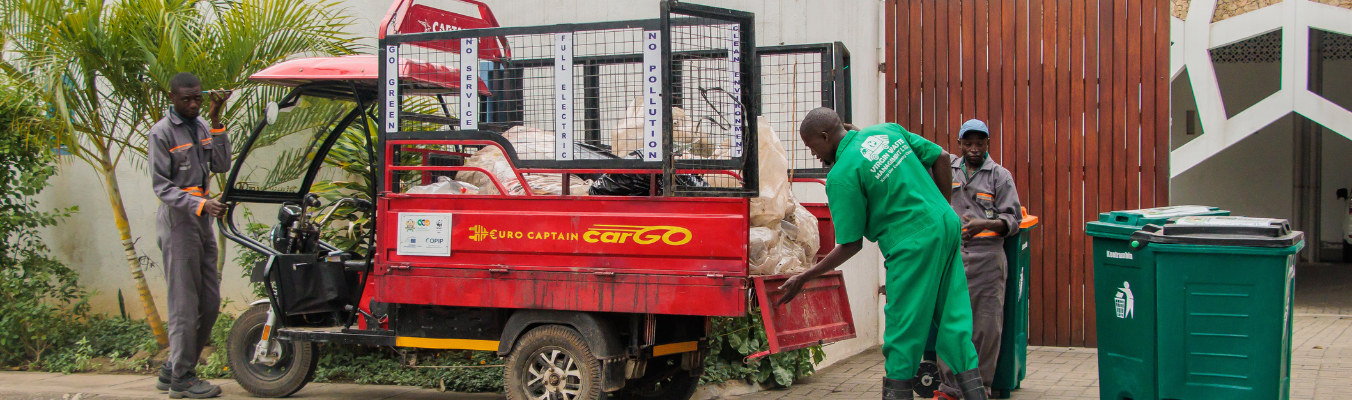
Central to this effort is the continuous coaching and mentoring of informal waste workers and canal brigades. The canal brigades are specialised, community-based or city-deployed teams dedicated to regularly cleaning, declogging, and dredging drainage systems to prevent street flooding. They operate daily to clean and sort waste on the canal. This group is formally recognized at the barangay level and supported by local officials. As a result, they are integrated into the government’s solid waste management plans and activities, which include operating and conducting collection efforts at the Materials Recovery Facility (MRF).


Technical Training and Capacity Building for Informal Waste Workers
To facilitate the transition of these workers into structured and coordinated collectives, WWF teams and partners conducted a series of training sessions on waste segregation, plastic identification, effective recovery and sorting techniques, basic machine operations, and record-keeping. To ensure the effectiveness of these sessions, all training was specifically tailored to local conditions and the literacy levels of the participants. Furthermore, participants engaged in knowledge-sharing and benchmarking activities to adopt best practices from other regions and partners. They were also provided with guides on health, safety, and the proper use of basic protective equipment to improve the collection process. Collectively, these efforts have laid a robust foundation for community-led plastic waste management in Davao City.
In addition, WWF is actively linking communities to partners, recyclers, and aggregators to ensure the system is operationally viable and aligned with long-term goals rather than being purely infrastructure-driven. The team continues to monitor and document these activities to improve future waste management implementations.
Operational Expansion and Infrastructure Integration of Waste Collection and Segregation

The collection system currently covers 29 Puroks (small-scale zones within a Philippine barangay typically comprising 20 to 100 households) across the pilot area. By leveraging the established Materials Recovery Facility (MRF), the project has integrated physical infrastructure within selected barangays and schools to ensure that waste collection and segregation are conducted efficiently. As collection routes have become more regular, the system has gained greater stability and community acceptance. The waste workers’ first sale of recyclables earned ₱2,600 (roughly 150 USD), reinforcing the concept that plastic waste can be a sustainable resource rather than a burden.
The pilot utilises an incremental approach, prioritizing high-value recyclables like PET bottles. This strategy demonstrates that waste management does more than just divert plastic from canals and waterways, it serves as a viable livelihood opportunity for the community by unlocking its economic potential. As collection routes continue to expand, the next phase will focus on strengthening reporting and impact measurement through data consolidation and standardised tracking. Initial observations already indicate that the volume of waste collected has increased following recent training sessions and system refinements.

Future Milestones and Ongoing Obstacles
Despite these successes, the project faces an ongoing hurdle: sustaining community-wide behaviour change. While the waste workers and canal brigades maintain high levels of activity, some residents continue to dispose of garbage in canals. This highlights a critical need for continued community discipline, sustained education, and consistent enforcement to ensure long-term success.
Looking ahead, the project remains focused on strengthening the waste workers’ organisational capacity to ensure long-term sustainability. Key upcoming activities include a benchmarking visit to a plastic recycling company, where the team will observe and adapt global best practices for local implementation.