WWF | Thailand’s Businesses Go Green

Case Study Thailand: Hat Yai, Koh Samui, Songkhla, Surat ThaniWWF Involvement: March 2024 to December 2024PSC Approach: Reduction and Reuse/Refill, Sustainable AlternativesFocus Area: ReductionSystemic Intervention: Knowledge Strengthening Key Lessons Learned Background WWF’s Plastic ACTion (PACT) is a business initiative that aims to reduce waste and move towards a circular economy. The programme empowers companies to adapt their […]
WWF | Household Waste Separation at Source in Tan An
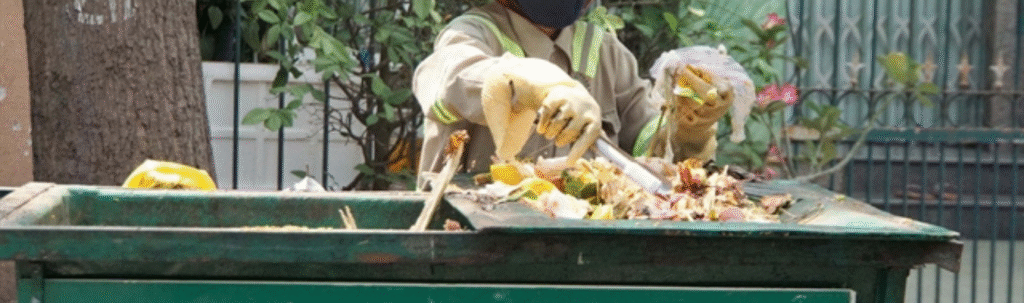
Case Study Viet Nam: Tan An City, Long An ProvinceWWF Involvement: August 2020 to July 2021Focus Area: CollectionPSC Approach: Formal CollectionSystemic Intervention: Systems and Infrastructure Key Lessons Learned Background Viet Nam is a major contributor to marine plastic pollution, with the Mekong River serving as a significant pathway for waste entering the oceans (Pfaff-Simoneit, 2023). […]
Nordic Council of Ministers | Towards Ending Plastic Pollution by 2040

Plastics are woven into the fabric of our daily lives, playing a pivotal role in the world’s economic tapestry. However, their omnipresence comes at a significant social and environmental cost. The plastic system is at a crossroads: Without change, it could see levels of plastic production, mismanaged plastics and greenhouse gas emissions dramatically soar by […]
WWF-Viet Nam| Mitigating Marine Debris in Viet Nam Program Report
The project aims to reduce marine plastic pollution through policy reform, public awareness, and practical solutions. Approved by the Ministry of Natural Resources and Environment, the project supports Viet Nam’s national action plan on marine plastic waste until 2030. Implemented across 7 cities/districts and 3 marine protected areas, the project emphasizes collaboration among government, businesses, […]
WWF | Hat Yai’s Mall Take-Back Programme
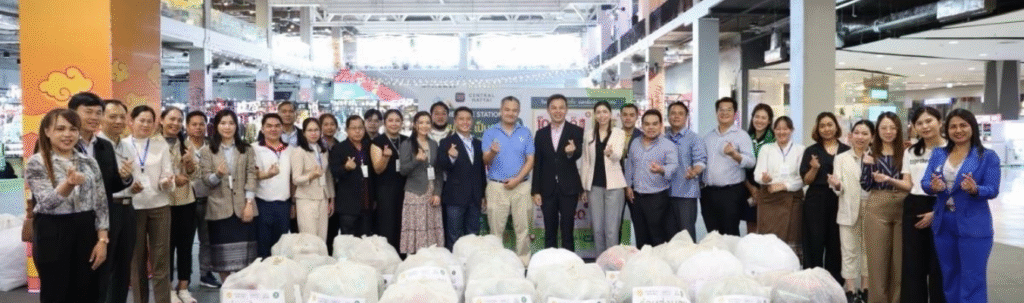
Case Study Thailand: Hat YaiWWF Involvement: October 2023 to October 2025Focus Area: CollectionPSC Approach: Formal CollectionSystemic Intervention: Policy Advocacy Key Lessons Learned Background In order to move away from mixed collection and enhance plastic recovery from the waste generated at Hat Yai’s Central Mall, the shopping mall adopted a “take-back” programme in October 2023, set […]
WWF | Choose to Reuse: Closing the Loop on Takeaway Packaging in Hong Kong

Case Study China: Hong Kong SARWWF Involvement: September 2022 to August 2024Focus Area: ReductionPSC Approach: Reuse and RefillSystemic Intervention: Knowledge Strengthening Key Lessons Learned Background Hong Kong has faced growing plastic pollution challenges, exacerbated by the increasing popularity of food delivery services. The surge in SUP packaging, particularly during the COVID-19 pandemic, highlighted the urgent […]
WWF | Kenanga Waste Bank: Building an Integrated System in Bogor
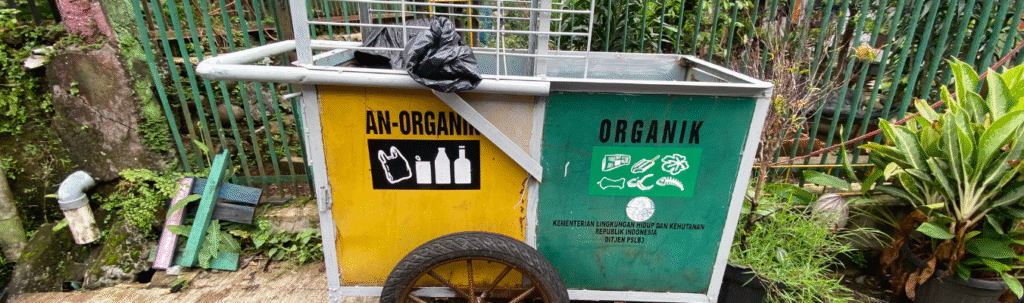
Case Study Indonesia: BogorWWF Involvement: March 2023 to December 2023Focus Area: CollectionPSC Approach: Community-based Waste ManagementSystemic Intervention: Systems and Infrastructure Key Lessons Learned Background Established in 2017, BS Kenanga waste bank serves as a model for community-driven waste management in Bogor City, integrating plastic waste collection, organic waste processing, and digital transactions while offering financial […]
Institute for Tourism Sustainability | Plastic Waste Flow Baseline in the Tourism Sector and Municipalities of Trang & Koh Tao, Thailand

This report provides a comprehensive assessment of Single-Use Plastic (SUP) consumption and management in two key tourism areas in Thailand: Koh Tao and the Trang region, which includes Koh Libong, Koh Mook, Koh Kradang, and Pak Meng. The focus is on identifying effective voluntary reduction strategies for SUP use within the tourism sector, with recommendations […]
ICLEI | Packaging Reuse at Events: Portfolio of Case Studies

Cities worldwide are increasingly prioritising sustainability, with waste management and packaging reuse gaining prominence as critical issues. Events such as festivals, concerts, and conferences generate significant amounts of single-use packaging, contributing to the generation of great quantities of waste. In response, several cities have implementedor supported initiatives aimed at reducing event-related waste by promoting the […]
UN Global Compact Network, WWF-Germany | Strategy Guide Circular Economy

A Circular economy is essential for the protection of ecosystems, biodiversity, and the climate. WWF-Germany, in collaboration with the UN Global Compact Network, has developed a Circular Economy Strategy Guide to support companies in developing an impact-oriented circular economy strategy. Step by step into the circular economy The circular economy fundamentally challenges the logic of […]