WWF | Waste4Change Empowers Junkshops
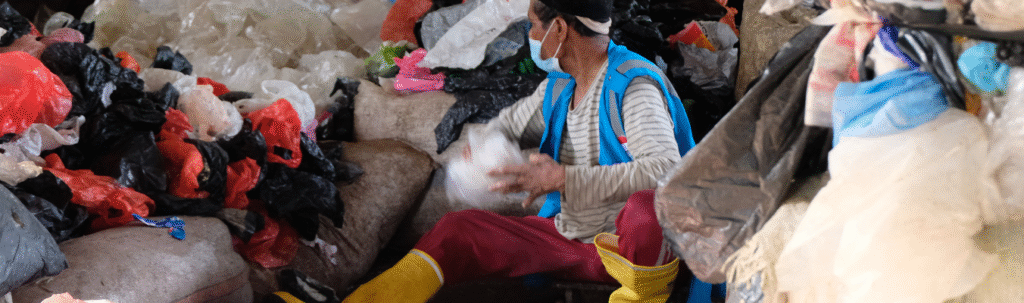
Case Study Indonesia: Bekasi, Bogor, Depok (Greater Jakarta)WWF Involvement: December 2023 to June 2025Focus Area: Recovery and RecyclingPSC Approach: RecyclingSystemic Intervention: Systems and Infrastructure Key Lessons Learned Background Since 2014, Waste4Change (W4C) has operated as a social enterprise, in the private sector, focusing on processing flexible plastics (PP) and strengthening partnerships with junkshops through its […]
WWF | Jakarta’s Waste Collection Collaboration
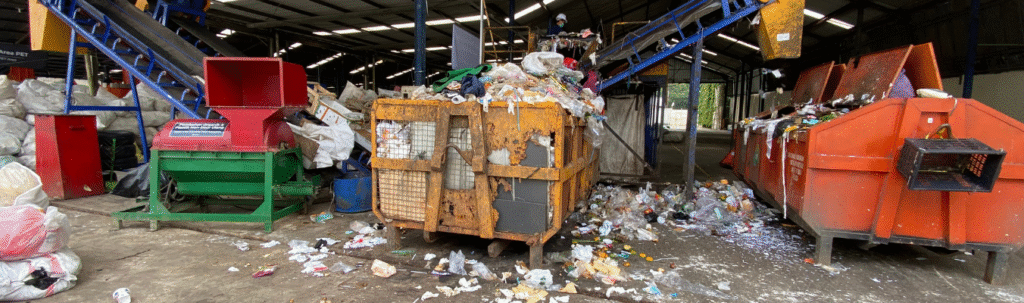
Case Study Indonesia: Bekasi, Bogor, Depok, Jakarta (Greater Jakarta)WWF Involvement: December 2023 to January 2025Focus Area: Recovery and RecyclingPSC Approach: RecyclingSystemic Intervention: Systems and Infrastructure Key Lessons Learned Background The privately operated RECO Consortium integrates REKOSISTEM and SweepSmart to improve plastic waste management through collection and sorting. REKOSISTEM manages waste collection, picking up waste from […]
WWF | Songkhla’s Fishermen Reel in Waste
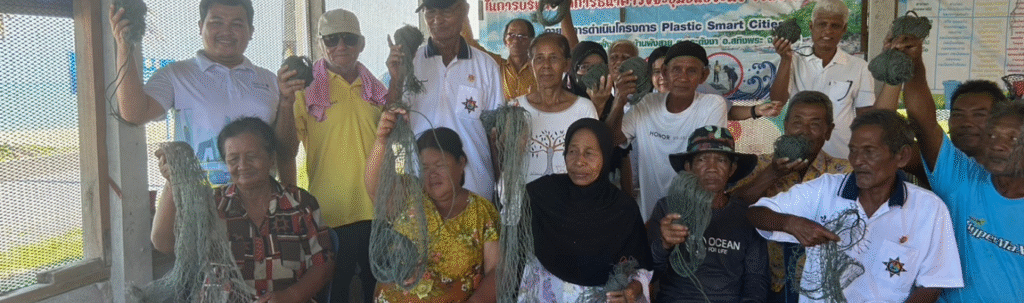
Case Study Thailand: Songkhla CityWWF Involvement: March 2021 to December 2024Focus Area: CollectionPSC Approach: Community-based Waste ManagementSystemic Intervention: Systems and Infrastructure Key Lessons Learned Background Baan Talae Nok and Baan Pang Sai are coastal fishing villages in Songkhla Province, Thailand, where plastic waste mismanagement has contributed to marine pollution and environmental degradation. Until recently, formal […]
WWF | Boosting Collection in Manila with Blockchain Technology
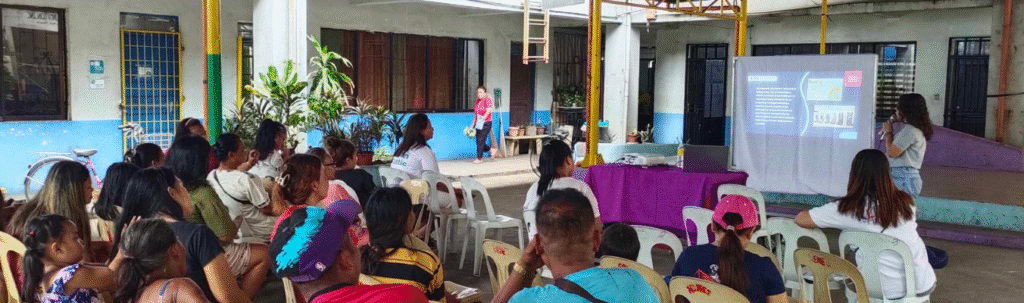
Case Study Philippines: City of Manila, Metro ManilaWWF Involvement: January 2021 to December 2024Focus Area: CollectionPSC Approach: Formal CollectionSystemic Intervention: Systems and Infrastructure Key Lessons Learned Background Plastic pollution remains a critical issue in Manila City, where large volumes of plastic waste enter land and marine environments. Plastic Bank incentivises waste collection and recycling by […]
WWF | Hue Makes Tourism Sustainable

Case Study Viet Nam: HueWWF Involvement: November 2021 to December 2024Focus Area: ReductionPSC Approach: Reduction; Reuse/RefillSystemic Intervention: Knowledge Strengthening Key Lessons Learned Background According to the 2021 baseline assessment carried out by WWF in Hue city, 15% of the total waste generated in the city was plastics (60 tonnes/day). The assessment also highlighted interventions to […]
WWF | Zero Waste Schools in Indonesia

Case Study Indonesia: Bogor, Depok, JakartaWWF Involvement: June 2022 to October 2024Focus Areas: ReductionPSC Approach: Behavioural ChangeSystemic Intervention: Knowledge Strengthening Key Lessons Learned Background In 2022, the PSC Zero Waste School initiative was launched by WWF-Indonesia in three pilot public schools located within the Ciliwung River Basin, which runs through Jakarta, Bogor, and Depok. The […]
WWF | Con Dao Schools Go Plastic-Free

Case Study Viet Nam: Con DaoWWF Involvement: March 2021 to May 2024Focus Area: ReductionPSC Approach: Behavioural ChangeSystemic Intervention: Policy Advocacy, Knowledge Strengthening Key Lessons Learned Background Con Dao, like many islands and coastal areas that are relatively small and remote, face unique challenges with waste management. This is due to limited recycling infrastructure and its geographic […]
WWF | Expanded Waste Collection in Phu Quoc
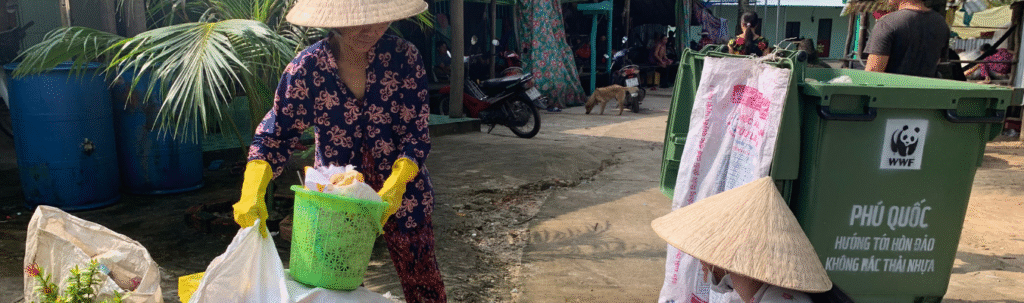
Case Study Viet Nam: Phu QuocWWF Involvement: July 2024 to December 2024Focus Area: CollectionPSC Approach: Formal CollectionSystemic Intervention: Systems and Infrastructure Key Lessons Learned Background Phu Quoc, known as the “Pearl Island,” has experienced rapid tourism growth, leading to increasing environmental pressure, particularly in waste management. Through a baseline plastic leakage study conducted through this […]
WWF | Rumah Harum: The Last Centralised Waste Bank of Depok
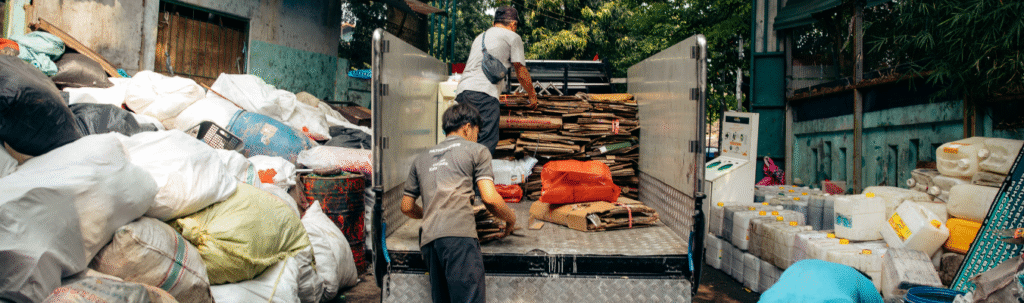
Case Study Indonesia: DepokWWF Involvement: November 2022 to April 2024Focus Area: CollectionPSC Approach: Community-based Waste ManagementSystemic Intervention: Systems and Infrastructure Key Lessons Learned Background Established in 2013 as one of seven major waste banks in Depok, Indonesia, BSI (Bank Sampah Induk or ‘Waste Bank’) Rumah Harum’s aim was to promote community-driven waste management. Since then, […]
WWF | Pak Meng School Cashes in on Waste

Case Study Thailand: Trang City, Trang ProvinceWWF Involvement: January 2023 to March 2025Focus Area: Reduction, CollectionPSC Approach: Behavioural Change, Community-based Waste ManagementSystemic Intervention: Knowledge Strengthening, Systems & Infrastructure Key Lessons Learned Background Pak Meng School in Trang, Thailand, piloted a holistic approach to plastic waste management from initiating educational activities for the reduction of plastic […]