Ellen MacArthur Foundation | Paper-Based Flexible Packaging
Tackling flexible plastic packaging waste and pollution is essential to solving plastic pollution. The Ellen MacArthur Foundation’s decade of work on this challenge, culminating in the 2030 Plastics Agenda for Business, identifies it as one of three key systemic barriers to realising a circular economy and curbing plastic pollution. Addressing this is a top priority […]
Towards Plastic Smart Islands: Scaling Solutions to Plastic Pollution across the Coral Triangle
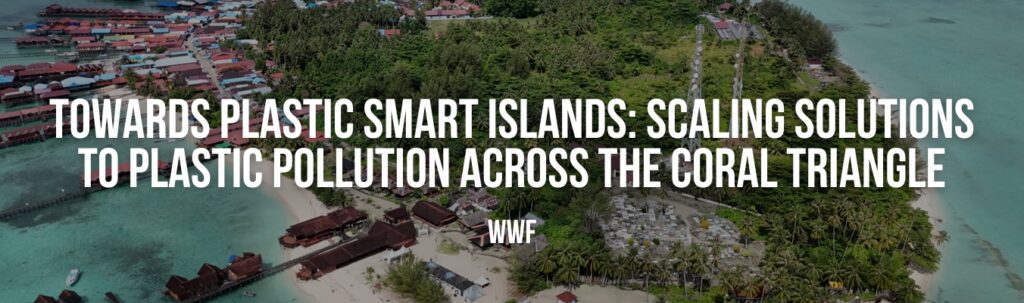
For the archipelagic states of the Coral Triangle, encompassing more than 27,000 islands across six nations, plastic pollution presents an immediate existential threat to human health, community livelihoods, and marine biodiversity. While large urban centres generate the highest gross volume of single-use products, isolated coastal hubs bear a disproportionately high environmental burden, frequently struggling with […]
Packaging EPR in Practice: Eight Key Implementation Insights from Chile
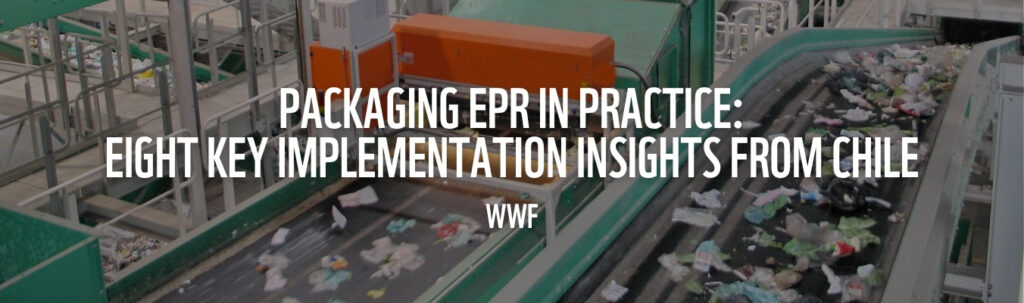
These insights are based on a regional study tour conducted in Chile from May 11-16, 2026, organized as part of the Clean Caribbean project, implemented by WWF Germany and WWF Mesoamerica and funded by the German Federal Ministry for the Environment, Climate Action, Nature Conservation and Nuclear Safety (BMUKN), with the participation and support of […]
TOMRA | Unlocking Cirularity : Insights from High Performing Deposit Return Systems
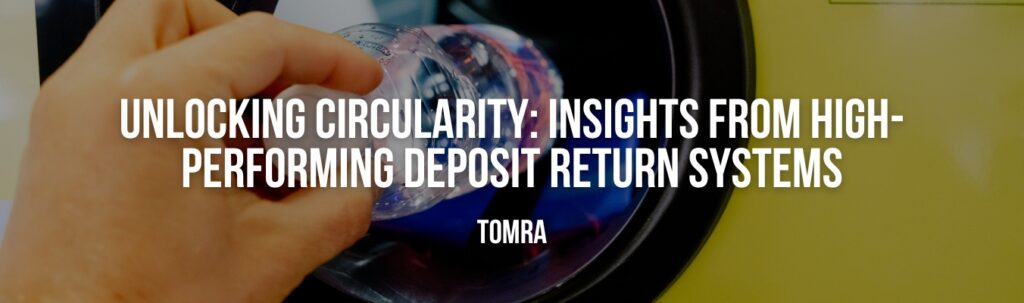
Deposit systems are growing in popularity as the world comes to terms with the waste management and plastic pollution challenge. In 2024, the European Union adopted its Packaging & Packaging Waste Regulation, explicitly requiring member states to implement a deposit return system in order to reach a 90% collection rate for plastic beverage containers by […]
WWF | Trash Treasure Tao: A Community Enterprise Piloting Reuse at Events in Koh Tao

Case Study Thailand: Koh TaoWWF Involvement: July 2025 – June 2026PSC Approach: Behavioural Change; Reuse and RefillFocus Area: ReductionSystemic Intervention: City Systems & Planning For more information, contact: Mr. Sarayut Thanasotorn, President Koh Tao, Surat Thani, Thailand Email: trashtreasuretao@gmail.com https://www.trashtreasuretao.com/ Key Lessons Learned Background Koh Tao in Thailand is one of Surat Thani Province’s most important tourism destinations. As tourism and […]
GIZ | Scaling Reuse System Through Behaviour Change: Insights from Southeast Asia
Plastic pollution remains one of the most critical environmental crises in Southeast Asia, fueled by rapid urbanisation and an overwhelming reliance on single-use sachets and takeaway packaging. While recycling remains a vital part of the puzzle, true sustainability requires stopping waste at the source through scalable circular-economy initiatives. This comprehensive GIZ report explores how behavioural […]
The World Bank, PROBLUE | Technologies and Solutions to Manage Plastic Waste in Small and Remote Islands: Using the Technology Options for Plastic Waste in Island Contexts (TOPIC) Toolbox for Islands in Malaysia
The rapid escalation of global marine plastic pollution has reached a critical breaking point, with ocean-bound plastic waste projected to triple to 29 million tons by 2040. Isolated coastal communities and small islands sit on the absolute frontline of this environmental crisis, facing unique vulnerabilities due to high coastline-to-area ratios, fluctuating tourism spikes, and exorbitant […]
School Plastic Reduction Handbook in Viet Nam
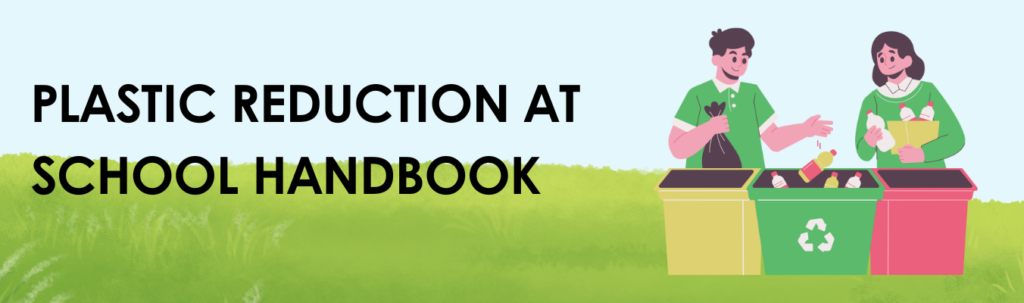
This handbook was developed to assist schools in minimizing plastic use and promoting a green, clean, and sustainable learning environment. Featuring practical methods and specific activities, this handbook provides basic knowledge about plastics, plastic waste, and its harm to the environment and human health. This handbook is divided into three main chapters: Chapter 1: Plastic […]
Plastic Pollution Comic Book

For the last decade, plastic pollution has become one of the biggest challenges for our environment. Our biodiversity, natural habitats, and the lives of many creatures, especially those living in the oceans and on islands, are at risk. To commemorate World Environment Day and World Children’s Day, WWF-Viet Nam produced the “Mystery on Big Island” comic for […]
Thailand Plastic-Free School Manual

From Plastic Smart Cities to Plastic Free School Programme. From the Plastic Smart Cities project to the extension of the concept and goal of nurturing children and youth, it has expanded into the Plastic Free School Programme, which was organized under 10 pilot schools in Surat Thani Municipality and Koh Samui Municipality in 2024. The […]