Tackling “Invisible” Plastic: WWF Pushes for Producer Accountability
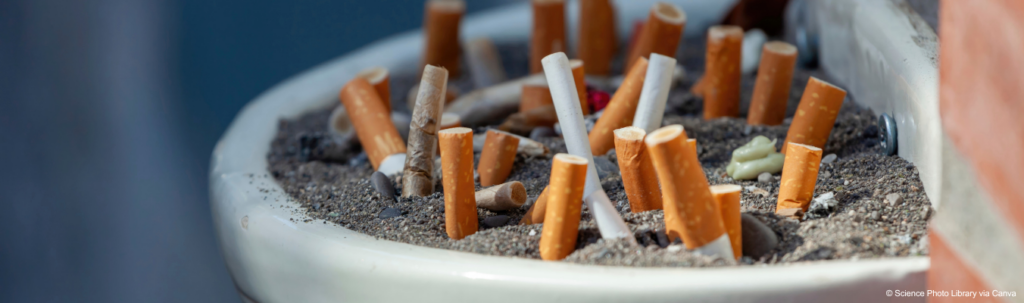
WWF-Greece is advancing a concrete Extended Producer Responsibility (EPR) model to ensure tobacco producers, rather than taxpayers, foot the bill for the toxic plastic pollution generated by cigarette filters. The Challenge: Cigarette Filters Fuel the Plastic Crisis Cigarette filters are among the most pervasive and toxic plastic litter items in the environment. Despite their small size, their […]
Local Heroes and Grassroots Leadership to Tackle Waste in Indonesia

After nearly five years of dedicated work and collaboration with over 30 partners to prevent plastic leakage into nature, WWF-Indonesia hosted a book launch for its compilation of human-centred stories – celebrating the core value that drives the initiative: collaboration. The book documents inspiring journeys of 12 Local Champions from 11 selected partners across Jakarta, […]
How Davao City Is Improving Neighbourhood-Level Plastic Recovery

Since 2024, Barangay Daliao in the Toril District of Davao City has been establishing a community-led foundation for sustainable waste management at the barangay level. Because the pilot program for the collection and segregation of recyclables, particularly plastics, is managed through local systems, the project designed capacity-building initiatives focused on enhancing operational efficiency. Central to this effort is the […]
WWF-Indonesia | A Ray of Light Amidst the Plastic Crisis

In the face of a mounting global plastic crisis, a dedicated group of local heroes is lighting the way toward a cleaner, more sustainable future for Indonesia. This book captures the power of grassroots leadership, profiling the extraordinary individuals who have turned environmental challenges into opportunities for community empowerment. These stories serve as a powerful […]
Project COPE: Circular Operations for Pollution-free Environment

WWF-Philippines kicked off the Circular Operations for a Plastic Pollution-Free Environment (COPE) Project back in the end of 2024, by assessing five of the highly urbanised barangays. Those barangays are: Bagong Silangan in Quezon City, 176-A to F Bagong Silang in Caloocan City, Municipalities of General Luna and Del Carmen in Siargao Islands, and selected barangays of Cagayan de Oro […]
SEA-MaP | Regional Behavior Change Communications (BCC) Strategy Playbook on Plastic and Plastic Waste in ASEAN

Plastic pollution remains a critical threat to the environment, public health, and economies across Southeast Asia, driven by persistent everyday behaviors like littering and a heavy reliance on single-use plastics. While awareness is growing, the transition to sustainable habits requires a deep understanding of the specific “enablers” and “barriers” that influence daily choices. This newly […]
Over 100 Informal Waste Workers Gather in First Annual Convention

The initiative aims to better integrate informal waste workers (known as “saleng”) in Thailand into formal waste management/recycling systems, strengthen public–private partnerships, and promote sustainable waste practices across the city. Over 120 Informal Waste Workers Gather in Surat Thani Behind Surat Thani’s cleaner streets are the Saleng workers—informal waste workers who keep the municipality moving, despite limited social protection, recognition, and support. On 9 December 2025, over 120 members from the Saleng Association were brought together for its annual convention organised by WWF-Thailand […]
SEA of Solutions 2025 Bangkok: Plastic Smart Cities Reflections

Plastic Smart Cities and WWF-Thailand joined governments, industry leaders, civil society organizations, and coastal communities from across Southeast and East Asia at the Sea of Solutions 2025, convened by COBSEA (Coordinating Body on the Seas of East Asia) and UNEP (16 – 18 December 2025, Bangkok). The event brought together key stakeholders to strengthen regional dialogue on addressing marine plastic […]
WWF-Indonesia and Ministry Partner to Tackle the Triple Planetary Crisis

This article is developed based on the original post from WWF Indonesia. In a decisive step toward addressing global environmental challenges, WWF-Indonesia and the Ministry of Environment hosted a multi-stakeholder discussion titled the Plastic, Climate, and Biodiversity Forum in Jakarta on 28 October 2025. The forum served as a strategic platform to strengthen synergy and collaboration among key stakeholders […]
Rumah Harum: The Last Centralised Waste Bank of Depok
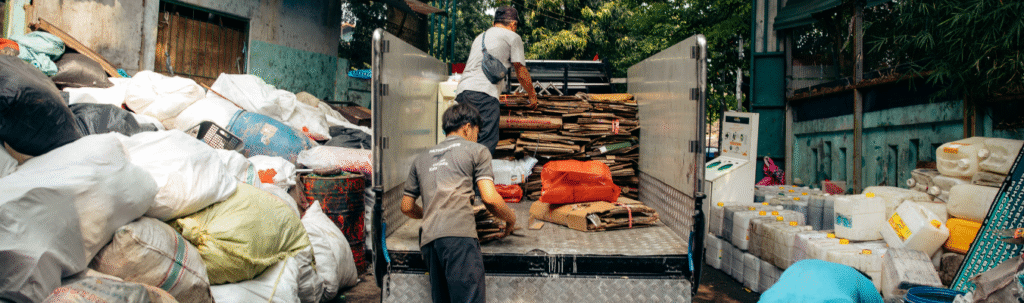
Case Study Indonesia: DepokWWF Involvement: November 2022 to April 2024Focus Area: CollectionPSC Approach: Community-based Waste ManagementSystemic Intervention: Systems and Infrastructure Key Lessons Learned Background Established in 2013 as one of seven major waste banks in Depok, Indonesia, BSI (Bank Sampah Induk or ‘Waste Bank’) Rumah Harum’s aim was to promote community-driven waste management. Since then, […]