UNEP, UNODC | How Waste Trafficking Hinders the Development of Circular Economies: Impacts, Challenges, and Solutions from SouthEast Asia
As global waste generation approaches critical thresholds, illegal waste trafficking has emerged as a major barrier to sustainable development across Southeast Asia. Between 2017 and 2021, ASEAN nations collectively imported more than 100 million tonnes of metal, paper, and plastic waste valued at nearly $50 billion, accounting for 17% of the global plastic waste trade […]
ERIA, IGES | Plastic Pollution Countermeasures: Effective Global Actions and Case Studies from East Asia
Plastic pollution represents one of the most pressing environmental challenges in Southeast and East Asia, with seven ASEAN+3 nations ranking among the top ten global contributors to annual ocean plastic emissions. To address critical data gaps, low recycling rates, and waste management infrastructure deficits across the plastic value chain, the Economic Research Institute for ASEAN […]
Designing Effective Reuse Policy: Regional Recommendations for Southeast Asia
Published by the Global Plastics Policy Centre at the University of Portsmouth in partnership with Enviu and Dietplastik Indonesia, Designing Effective Reuse Policy: Regional Recommendations for Southeast Asia provides a comparative policy assessment across Indonesia, Thailand, and the Philippines. The report demonstrates that while refill and return practices are deeply anchored in regional cultural heritage, […]
Guidelines on Reducing Single-use Plastic in the Zanzibar Tourism Industry
Developed by the Blue Impact Network in partnership with Chumbe Island Coral Park and the Zanzibar Commission for Tourism, the REDUCE Guidelines 2026 provide a comprehensive, evidence-based roadmap to phase out single-use plastics across Zanzibar’s hospitality sector. Co-funded by the European Union and the German Federal Ministry for Economic Cooperation and Development (BMZ) through GIZ’s […]
WWF-Laos | Mina’s Story: An Educational Storybook About Plastic Pollution
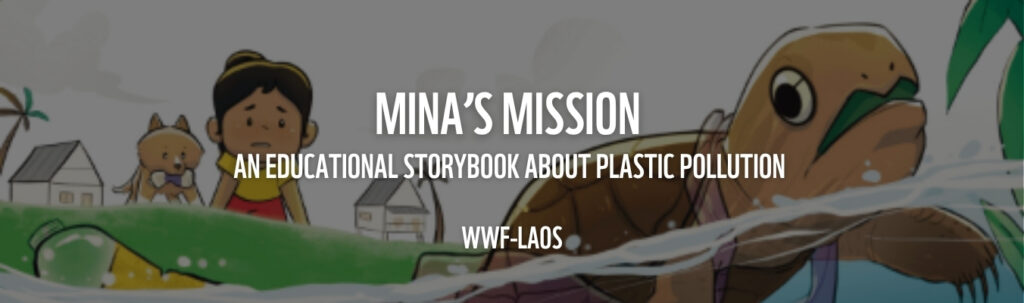
Published by WWF-Laos under its Plastic Programme, Mina’s Mission is a bilingual (Lao and English) educational storybook designed to empower children and communities to combat plastic pollution through environmental education. Through the story of a young girl named Mina who confronts the real-world hazards of open waste burning, toxic air, trapped wildlife, and storm drain […]
WWF | Tipping Point: How Coordinated Market Can Transform Global Plastic Value Chain
After four years of negotiations, the world is still waiting for a global treaty capable of ending plastic pollution. A large majority of countries have continued to support an effective treaty with binding measures across the full life cycle of plastics – but progress has been repeatedly deadlocked in efforts towards universal agreement. This report explores […]
WWF-Germany | Circular Economy Course

Mastering the transition to a climate-neutral and resource-efficient economy is essential for modern sustainable business practices. This course explores the core principles, economic benefits, and commercial opportunities of circularity, guiding organisations from baseline concepts and company operations to policy frameworks, WWF’s strategic vision, and human-centred society building. This course covers the following content:
WWF-Australia | The Case for Reuse: A Packaging Transformation in Australia

Australia’s packaging waste crisis cannot be resolved through recycling alone; establishing a robust reuse ecosystem is vital to prevent over 12 million tonnes of packaging waste from entering the market annually by 2040. Based on research by Deloitte and WWF-Australia, transitioning to reusable packaging models creates higher value-retention loops that cut emissions, lower supply chain […]
World Economic Forum | Plastic Pollution and Biodiversity: a Global Overview
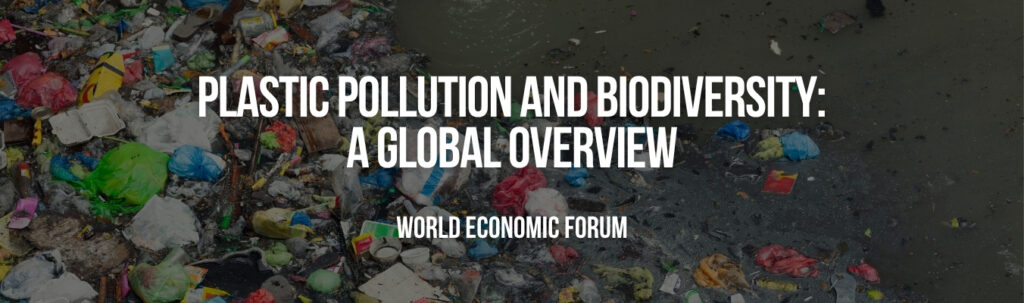
Every year, an estimated 130 million tonnes of plastic waste are unmanaged or improperly discarded, polluting soils, waterways and seas. While efforts continue to promote a circular economy and pursue a global plastics treaty, far less attention has focused on how plastic pollution affects biodiversity and the ecosystem services that underpin economies and human well-being. […]
2030 strategy – No Plastic in Nature Initiative: Driving Systems Change in the Global Fight Against Plastic Pollution
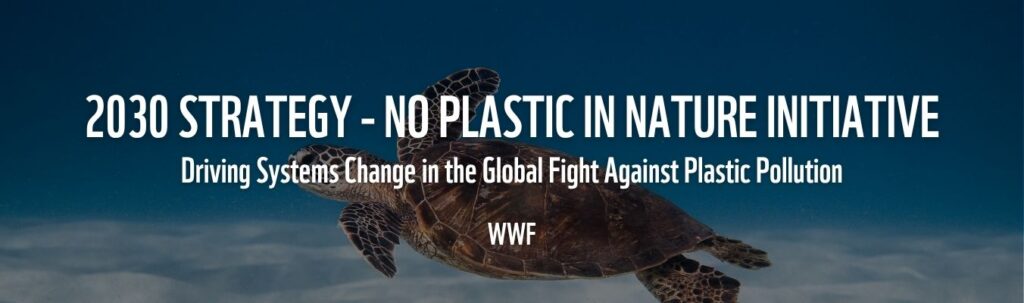
Despite growing global awareness, the plastic pollution crisis continues to escalate. More than 30,000 tonnes of plastic leak into our oceans every day, posing increasing threats to ecosystems, economies, and human health. The WWF No Plastic in Nature 2030 Strategy sets out a comprehensive blueprint to stop environmental plastic pollution by transforming the global plastics […]