Rare, GEF, SGP, UNDP | Solutions to Plastic Pollution with Community-Based Behavior Change

Plastic pollution is a global crisis impacting natural systems, wildlife, and human health. Nations are currently negotiating a high-level treaty to coordinate efforts to reduce plastic use worldwide (Chen, Sulan et al., 2024). No single solution can solve this crisis. Tackling plastic pollution requires changes at every stage of production and use: governments must enact […]
Towards Circular Systems: Lessons Learned Plastic Smart Cities

This study captures learnings from a range of PSC pilot interventions conducted between 2018 and 2024 from five countries in East and Southeast Asia where we have had some of the longest history of engagement: China, Indonesia, the Philippines, Thailand, and Viet Nam. However, the PSC programme has continued to expand globally and this study […]
WWF | Waste4Change Empowers Junkshops
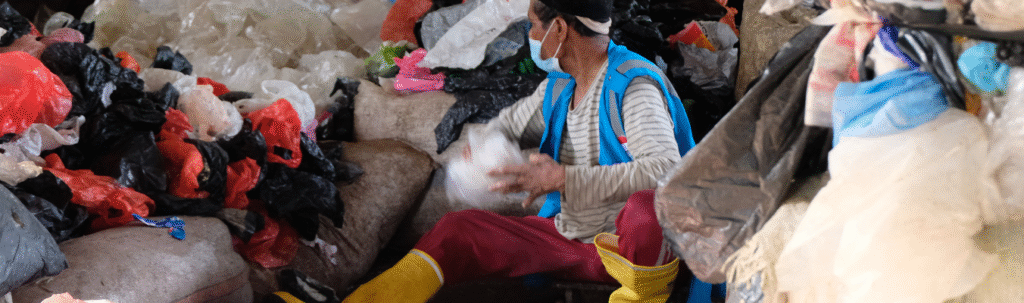
Case Study Indonesia: Bekasi, Bogor, Depok (Greater Jakarta)WWF Involvement: December 2023 to June 2025Focus Area: Recovery and RecyclingPSC Approach: RecyclingSystemic Intervention: Systems and Infrastructure Key Lessons Learned Background Since 2014, Waste4Change (W4C) has operated as a social enterprise, in the private sector, focusing on processing flexible plastics (PP) and strengthening partnerships with junkshops through its […]
Empowering Island Communities: Community-led Waste Management Plans in Action

WWF-Malaysia’s No Plastic in Nature (NPIN) initiative has been working in Sabah with local governments, community-based organisations, universities and local businesses to tackle mounting plastic pollution in its coastal and marine environments, particularly in Sempora, a coastal town that sits along the Celebes Sea and serves as the gateway to some of the most biodiverse […]
WWF-Viet Nam| Mitigating Marine Debris in Viet Nam Program Report
The project aims to reduce marine plastic pollution through policy reform, public awareness, and practical solutions. Approved by the Ministry of Natural Resources and Environment, the project supports Viet Nam’s national action plan on marine plastic waste until 2030. Implemented across 7 cities/districts and 3 marine protected areas, the project emphasizes collaboration among government, businesses, […]
Bogor’s Plastic Smart Cities Project Targets Traditional Markets to Reduce Plastic Pollution

Bogor’s Jambu Dua Traditional Market Piloting Clean and Eco-Friendly Local Market Initiative In a joint effort to improve waste management in traditional markets, the Bogor City Government and WWF-Indonesia are piloting an awareness and capacity-building programme for vendors, market managers and sanitation workers hired by Pakuan Jaya – a regional public company that owns and […]
Trang Municipality Establishes its First Informal Waste Workers Network

The initiative aims to better integrate informal waste workers (known as “saleng” in Thai) to into formal recycling systems, strengthen public–private partnerships, and promote sustainable waste practices across the city. 1 June 2025 — Trang’s first informal waste workers network – locally referred to as the Saleng Network – was launched on 29 May 2025 […]
RWA Group | Rethinking Waste and Resource Management for Underserved Communities
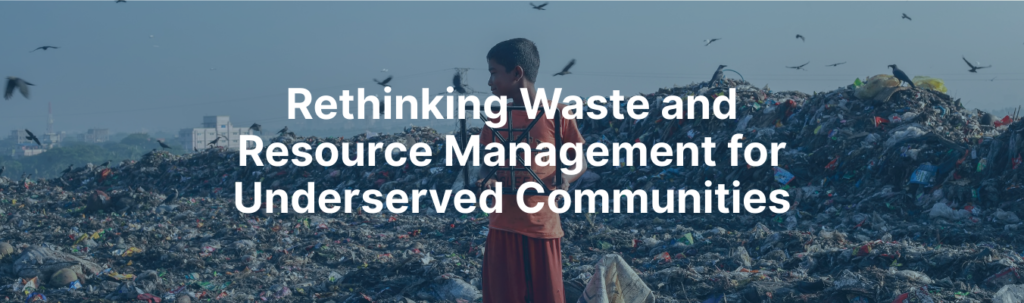
Municipal solid waste management (MSWM) is a basic service, yet over 2.7 billion people still lack access to collection, and 40% of collected MSW is open-dumped or burned. This global waste emergency has severe local and global impacts — extending services to all would reduce macroplastic dispersal to the environment by ~80% and mitigate climate […]
Sustainable Approach to Integrated Waste Management (SAIM Project) in Goa, India
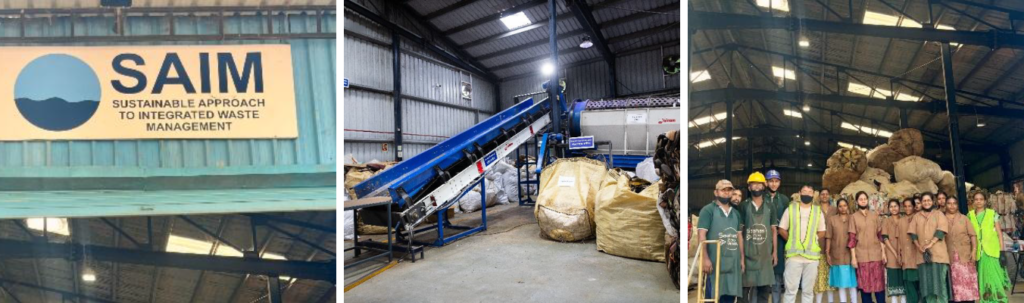
On 16 July 2024, Goa took a significant step towards sustainable waste management with the inauguration of Project SAIM (Sustainable Approach to Integrated Waste Management). This initiative—a collaboration between WWF-India and Saahas Zero Waste—aims to revolutionize the way Goa handles its waste, addressing longstanding challenges with innovative solutions and community involvement. SAIM’s comprehensive approach strengthens […]
Plastic Smart Cities Fair in Manila Brings Enterprises and Communities Together
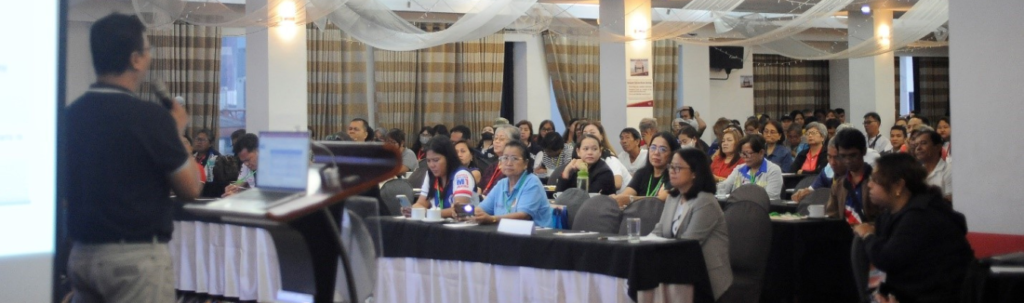
The Plastic Smart Cities (PSC) initiative in Manila City, Philippines, is currently in the final stretch of its implementation, set to conclude in 2025. To ensure the sustainability of its efforts in collaboration with the City of Manila, the project hosted a Plastic Smart Cities Fair on November 25, 2024. This event served as a […]