WWF | 15 Basic Principles Establishing an Effective Extended Producer Responsibility (EPR) Scheme for Packaging

As the global plastic crisis accelerates, with 11 million tonnes of plastic entering our oceans annually, the need for a systemic shift toward a circular economy has never been more urgent. WWF’s “No Plastics in Nature” initiative identifies Extended Producer Responsibility (EPR) as a foundational tool to bridge the gap between production and sustainable end-of-life […]
WWF | Recycling for Change: San Isidro’s Social Shift
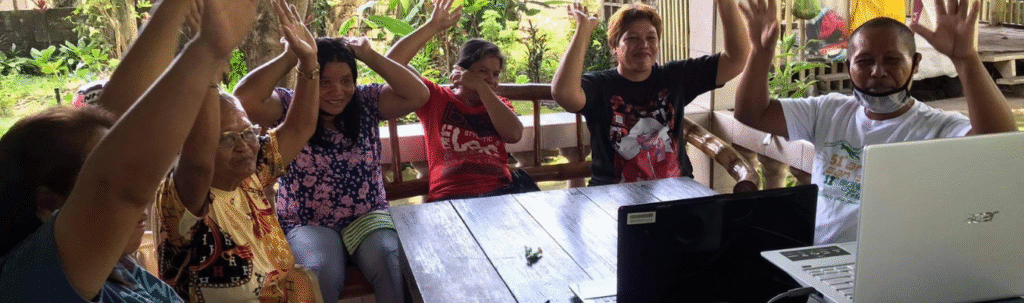
Case Study Philippines: San IsidroWWF Involvement: October 2022 to December 2024Focus Area: Recovery and RecyclingPSC Approach: Community-based Waste ManagementSystemic Intervention: Systems and Infrastructure Key Lessons Learned Background This initiative focuses on enhancing waste collection, processing, and value recycling to improve integrated solid waste management while promoting social inclusion and gender equity in San Isidro’s waste […]
WWF | 2019-2024 No Plastic In Nature Initiative Impact Report: Driving System Change in The Global Fight Against Plastic Pollution

The foundations of WWF’s No Plastic in Nature initiative were laid in 2018, when leading offices from across the WWF network recognised the need to apply a systemic approach to our work on plastic pollution. This report brings together five years of work across countries, sectors and cultures, reflecting the collective efforts of WWF teams […]
Towards Circular Systems: Lessons Learned Plastic Smart Cities

This study captures learnings from a range of PSC pilot interventions conducted between 2018 and 2024 from five countries in East and Southeast Asia where we have had some of the longest history of engagement: China, Indonesia, the Philippines, Thailand, and Viet Nam. However, the PSC programme has continued to expand globally and this study […]
WWF | Songkhla’s Fishermen Reel in Waste
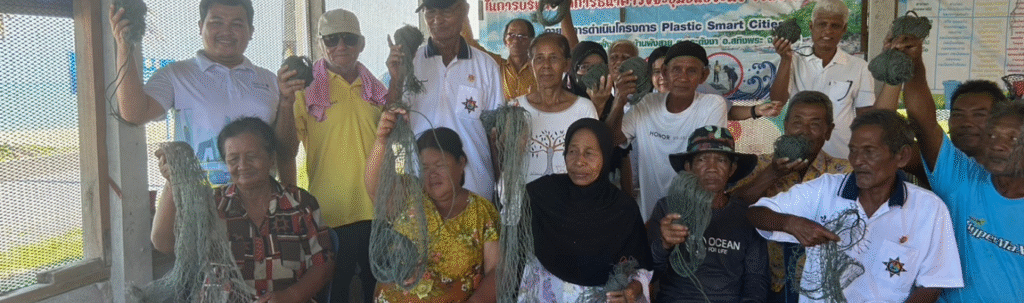
Case Study Thailand: Songkhla CityWWF Involvement: March 2021 to December 2024Focus Area: CollectionPSC Approach: Community-based Waste ManagementSystemic Intervention: Systems and Infrastructure Key Lessons Learned Background Baan Talae Nok and Baan Pang Sai are coastal fishing villages in Songkhla Province, Thailand, where plastic waste mismanagement has contributed to marine pollution and environmental degradation. Until recently, formal […]
WWF | Boosting Collection in Manila with Blockchain Technology
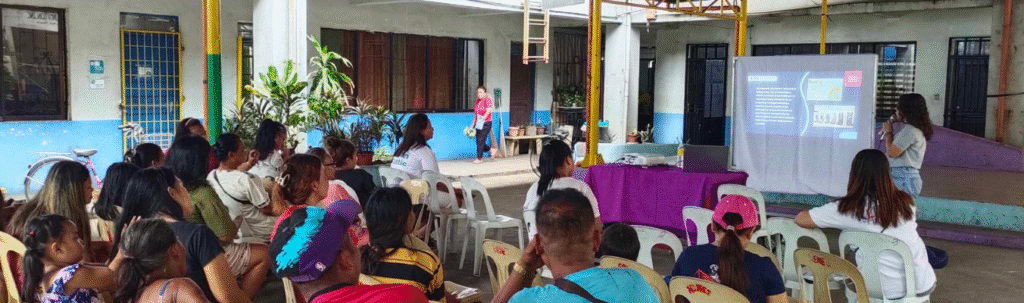
Case Study Philippines: City of Manila, Metro ManilaWWF Involvement: January 2021 to December 2024Focus Area: CollectionPSC Approach: Formal CollectionSystemic Intervention: Systems and Infrastructure Key Lessons Learned Background Plastic pollution remains a critical issue in Manila City, where large volumes of plastic waste enter land and marine environments. Plastic Bank incentivises waste collection and recycling by […]
WWF | Con Dao Schools Go Plastic-Free

Case Study Viet Nam: Con DaoWWF Involvement: March 2021 to May 2024Focus Area: ReductionPSC Approach: Behavioural ChangeSystemic Intervention: Policy Advocacy, Knowledge Strengthening Key Lessons Learned Background Con Dao, like many islands and coastal areas that are relatively small and remote, face unique challenges with waste management. This is due to limited recycling infrastructure and its geographic […]
UN Global Compact Network, WWF-Germany | Strategy Guide Circular Economy

A Circular economy is essential for the protection of ecosystems, biodiversity, and the climate. WWF-Germany, in collaboration with the UN Global Compact Network, has developed a Circular Economy Strategy Guide to support companies in developing an impact-oriented circular economy strategy. Step by step into the circular economy The circular economy fundamentally challenges the logic of […]
WWF | Extended Producer Responsibility for Fishing Gear
As negotiations over a binding global Treaty to end plastic pollution continue, fishing gear is in the spotlight. It’s thought to make up around 7 per cent of all the plastic in the ocean,1 and visual surveys suggest that 70 per cent by weight of floating microplastic debris is fishing-related.2 Recent studies estimate that nearly […]
WWF Position: Plastic Crediting and Plastic Neutrality
Position Paper: No Plastic in Nature April 2025 Position Paper Summary Plastic does not belong in nature. In order to achieve No Plastic in Nature by 2030, a combination of various coordinated strategies must be pursued. Strategies driven by the private sector must include reducing single use plastic, shifting to sustainable inputs for necessary plastic, […]