WWF-Thailand | A Handbook for Developing Plastic Smart Cities in Thailand
Plastic Smart Cities (PSC) Thailand is a four-year program (2021-2024) financially supported by the NRK & Norad through World Wide Fund for Nature (WWF) Norway. Plastic Smart Cities are cities that aim to have zero plastic leakage into nature. The program’s overall objective is to reduce plastic leakage by 30% in the near term, and […]
WWF-Indonesia | Guidelines for Improving Partner Performance in Reducing Plastic Waste Leakage
Plastic Smart Cities recommends the Waste Wise Cities Tool (WaCT) and the Waste Flow Diagram (WFD) as a baseline methodology for cities to assess the state of their solid waste management systems. There are 19 performance standards across various program frameworks to achieve the target of reducing plastic waste leakage. All 19 performance standards will […]
WWF | A Global Treaty to End Plastic Pollution that People and Nature Need
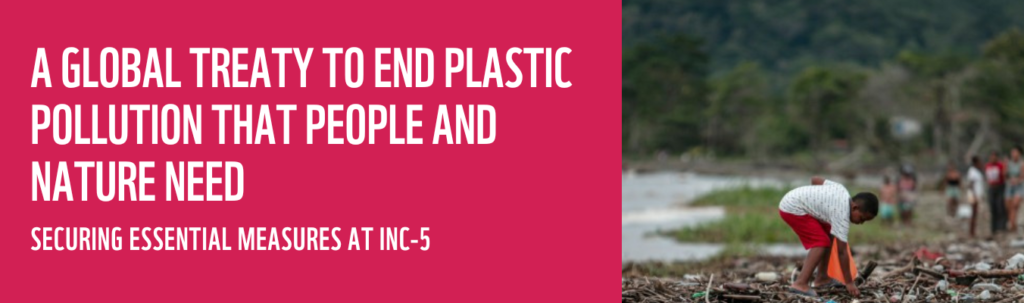
As states prepare to gather at the fifth and final session of the intergovernmental negotiations on the global treaty to end plastic pollution (INC-5), plastic pollution continues to ravage our planet, destroying ecosystems and wildlife populations, fuelling climate change and infiltrating our bodies through the air we breathe and the food and water we consume. […]
WWF | Cleaning Up Canals In Venice
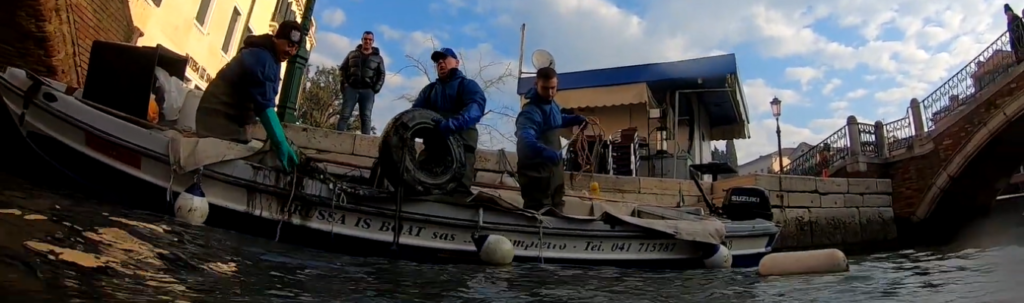
Research by the Italian Institute for Marine Research (CNR-ISMAR) found the canals of the historic city center of Venice to be littered with a large amount of waste and in particular, car tyres; this is due to the common practice, especially by heavy load transport boats, of using tyres as boat fenders. Project Objectives: The […]
WWF | Transforming Waste Management and Lives in Izmir, Türkiye
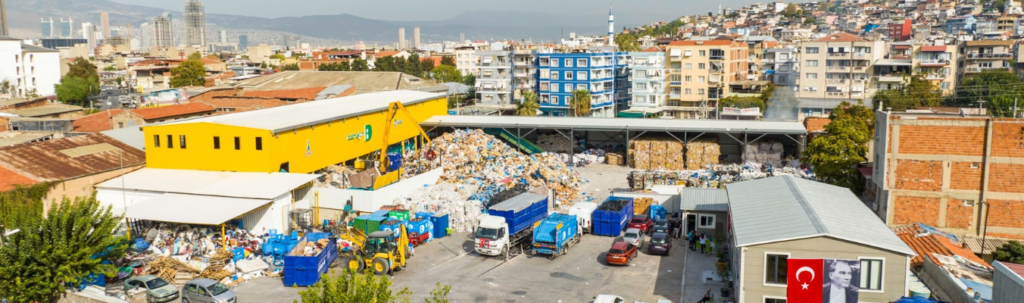
WWF-Türkiye has been working with the Metropolitan Municipality (MM) of Izmir since 2019 when the city joined Plastic Smart Cities. At the time, waste segregation at the source was not widely practised in Türkiye. Project Objectives Download the Case Study to learn more about the Izmir Transformation. Note: The IzDönüşüm project is now ending due […]
WWF | Making the Global Plastics Treaty Work for Micro, Small, and Medium-sized Enterprises
New report by WWF and Ellen MacArthur Foundation analyses how to make the global plastic pollution treaty work for micro-, small-, and medium-sized enterprises (MSMEs). The report also makes recommendations for how global rules across the plastic value chain can stimulate new marked opportunities. MSMEs represent 90% of businesses worldwide. They are engines of innovation, particularly […]
WWF | Cities and Businesses Tackling the Tourism Plastic Crisis
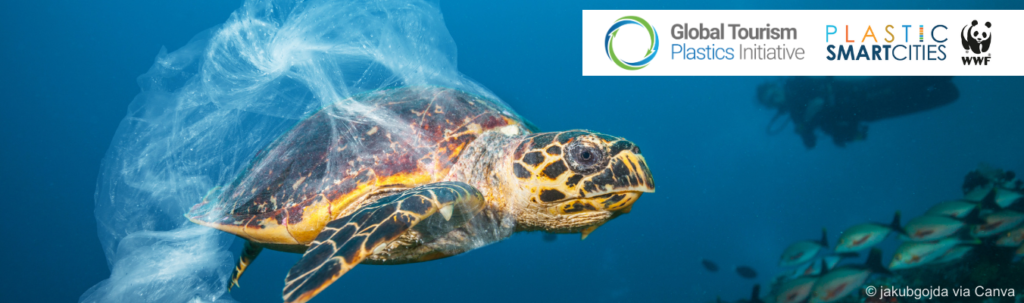
Everyday, plastic flows into our natural environment at an unprecedented rate, posing a threat to land and marine ecosystems, local economies and human health. The tourism sector, including destinations and business, has an important role in contributing to the solution for plastic pollution. Tourism is responsible for up to 40% increase of marine litter in […]
WWF | Case Studies from Asia: City-Level Learnings for the Global Plastic Pollution Treaty
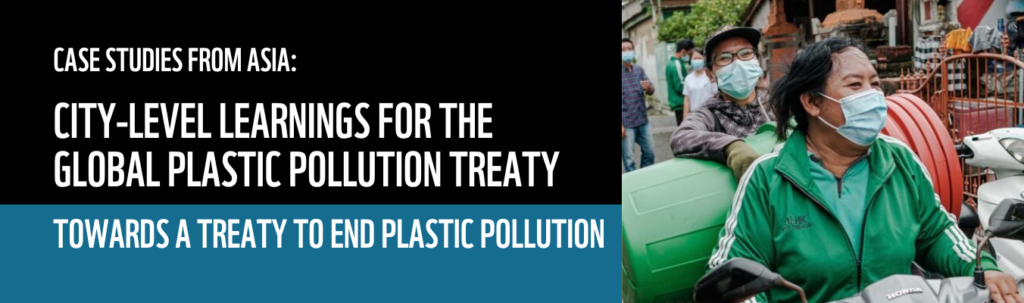
As United Nations Member States gather to negotiate a historic global treaty on plastic pollution, this report aims to provide negotiators with policy recommendations derived from on-the-ground interventions from cities in Asia that are tackling plastic pollution. With 60% of plastic waste derived from urban centres, cities are on the frontline of the global plastic […]
WWF | Unpacking Reuse in the Plastic Pollution Treaty
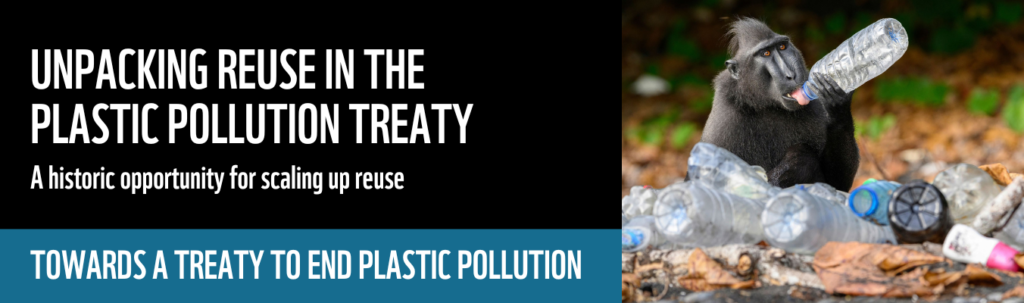
The international community has started negotiations on a global treaty to end plastic pollution. The treaty is focused on the plastic pollution across the lifecycle of plastic, arising from the over-use and mismanagement of plastic products. The treaty will contain a range of provisions to tackle these issues across the product life cycle. A key […]
WWF | Rising Tides III: Citizens around the world demand strong rules to end plastic pollution

In March 2022, the governments of 175 countries committed to develop a new global agreement to end plastic pollution, covering the full lifecycle of plastic from extraction of oil and gas for plastic production through to design, use and management of plastic waste. Governments have committed to delivering the agreed treaty text by the end […]