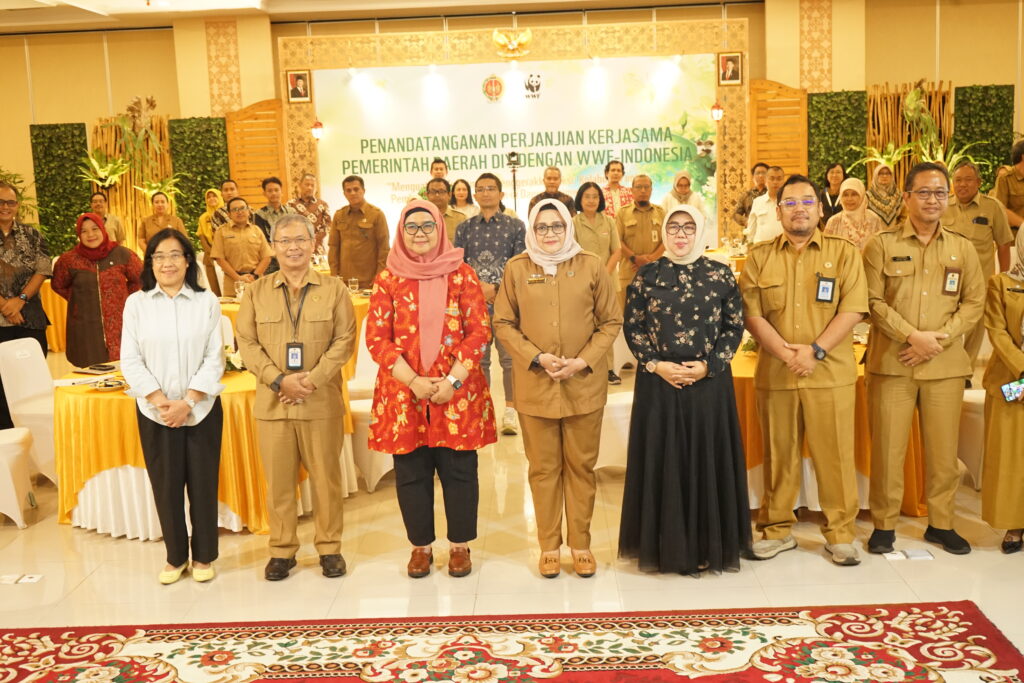
WWF-Indonesia and the Government of the Special Region of Yogyakarta (Pemda DIY) have signed a formal agreement on sustainable development, renewing the Memorandum of Understanding the two parties first signed in 2025. This agreement brings together three areas of work: solid waste management, responsible consumption, and climate change mitigation.
The partnership also supports Indonesia’s national climate goals. Under its Second Nationally Determined Contribution, Indonesia has committed to an unconditional 31.89% cut in greenhouse gas (GHG) emissions by 2030, rising to 43.20% with international support.
Tackling Waste from Upstream and Downstream
Waste and plastic management is a central focus. In realising that plastic pollution is not simply a disposal problem but is shaped by how products are designed, sourced, bought and used long before anything reaches a bin, the collaboration aims to help the provincial government build more integrated waste systems, while looking at solutions further upstream.
Alongside segregation, recovery and recycling, the partnership looks at how to cut unnecessary material use in the first place. This means involving businesses, consumers, communities and waste management actors who all influence what gets used and what gets thrown away.
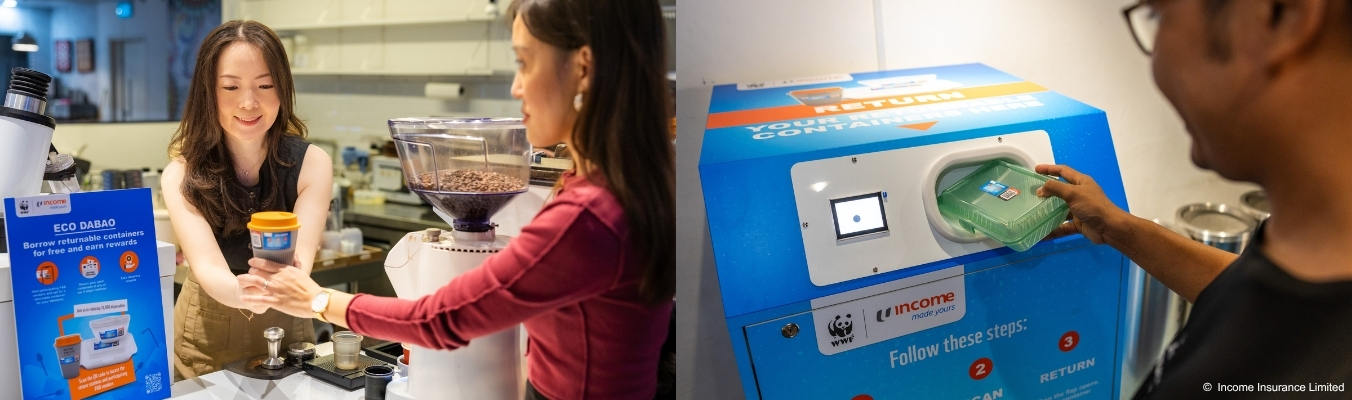
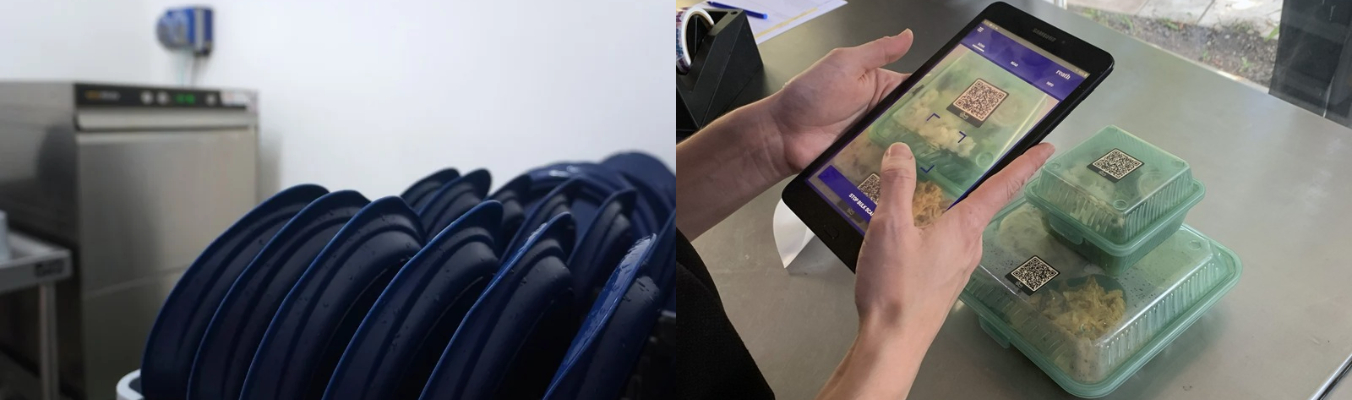
Businesses are a particular focus, especially hotels, restaurants and cafés. The hospitality and food-service sector has clear room to reduce single-use materials, introduce reuse and refill systems, separate waste better, and recover more recyclable and organic material. The programme encourages these businesses, along with others whose purchasing shapes local material flows, to adopt more responsible sourcing practices and more sustainable materials.
Leveraging Government Buying Power
Pemda DIY is also changing how it buys. Through Sustainable Public Procurement (Pengadaan Barang dan Jasa Berkelanjutan, or PBJB), environmental criteria are now built into how government agencies select goods and services. The programme involves 40 Regional Government Agencies (OPDs) across the province.
So far, the results are encouraging — a 48% reduction in emissions, equivalent to 586.42 tonnes of CO₂-eq, compared with business-as-usual procurement, has been achieved in part with this programme’s support. The Department of Education, Youth and Sports (Disdikpora DIY) accounted for 165.56 tonnes of that reduction on its own.
For Ni Made Dwipanti Indrayanti, Secretary of the Special Region of Yogyakarta, represents an important shift in how environmental considerations are incorporated into government decision-making, “In the past, perhaps we could make decisions without considering whether the goods or services we use have a positive impact on the environment. Now, there are certifications related to goods that ensure environmental considerations are taken into account throughout their production and processing.”
She added that the next step is to expand sustainable procurement and make it easier for government institutions to put into practice.
Procurement and waste management work well together. Better waste systems deal with materials at the end of their life, while procurement shapes what enters the system in the first place.
Plastic Action is Climate Action
Reducing plastic pollution is intrinsically linked to mitigating climate change. Materials generate emissions at every stage, from extraction and manufacturing to transport, use and disposal. Preventing waste, keeping materials in use longer and improving recovery all cut emissions as well as waste, and eventually helps reduce leakage and pollution.
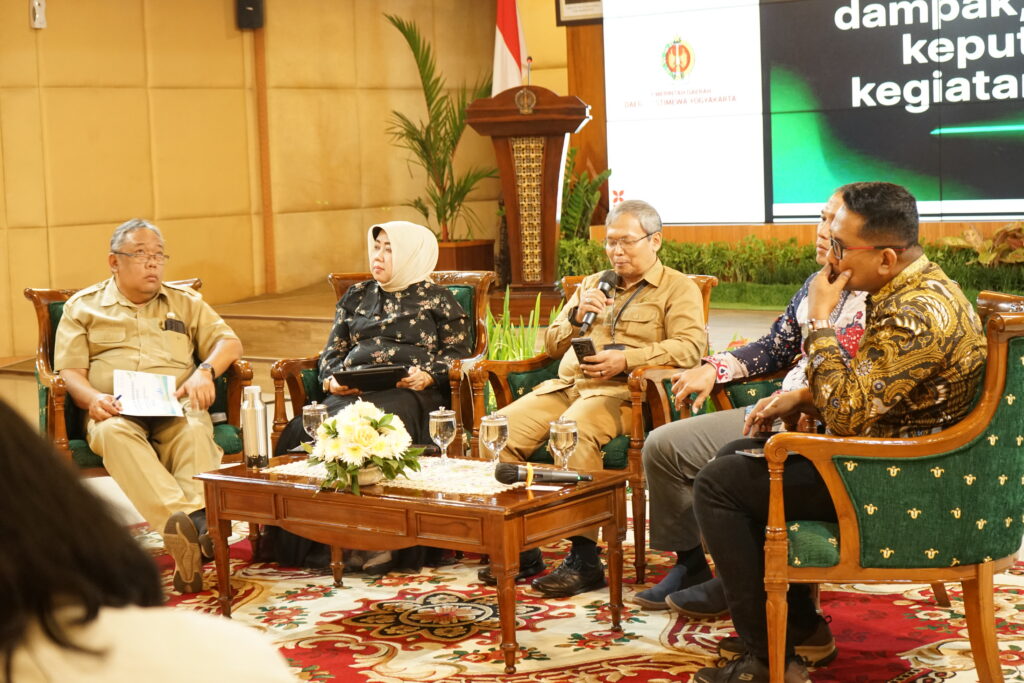
At the signing event, two dialogue sessions covered sustainable development, waste management models, responsible business practices, and how to monitor emissions reductions from sustainable procurement.
“What Yogyakarta has demonstrated is a model of governance that translates sustainable development into continuous implementation, and this can only be achieved through multi-stakeholder collaboration. These efforts have demonstrated positive impacts on climate change mitigation,” said Aditya Bayunanda, Chief Executive Officer of WWF-Indonesia.
Yogyakarta’s experience suggests that waste, consumption, procurement and climate efforts get further when they’re connected rather than run separately. WWF-Indonesia will continue providing facilitation and capacity-building support to help Pemda DIY integrate sustainability into public services and development programmes, and to speed up green policy implementation at the regional level.
“As a development partner, WWF-Indonesia is fully committed to supporting DIY in realizing its vision of being a region that is always special because of its commitment to the environment and sustainable development,” Aditya said. “We hope Yogyakarta will remain consistent in implementing these efforts so that its experience can also inspire other regions across Indonesia.”