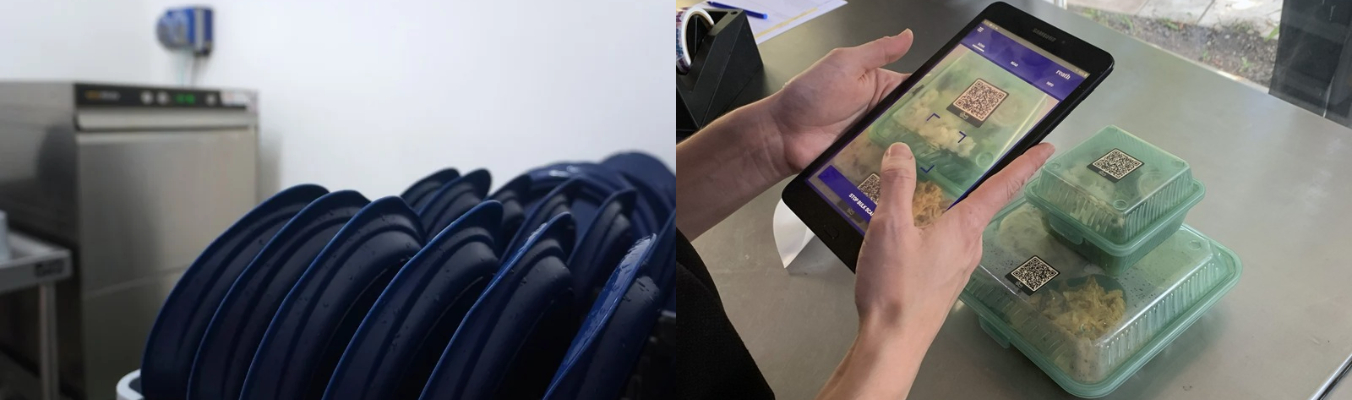
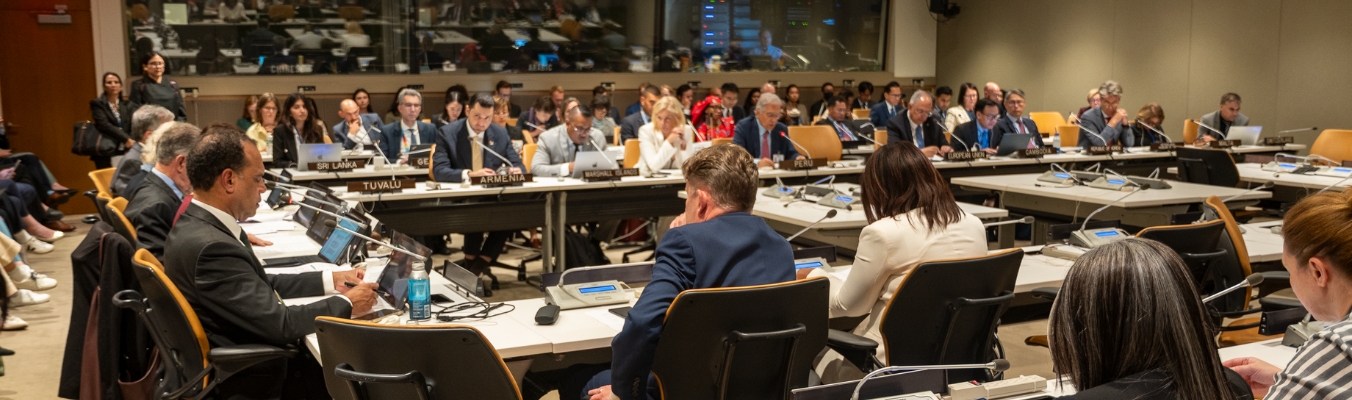
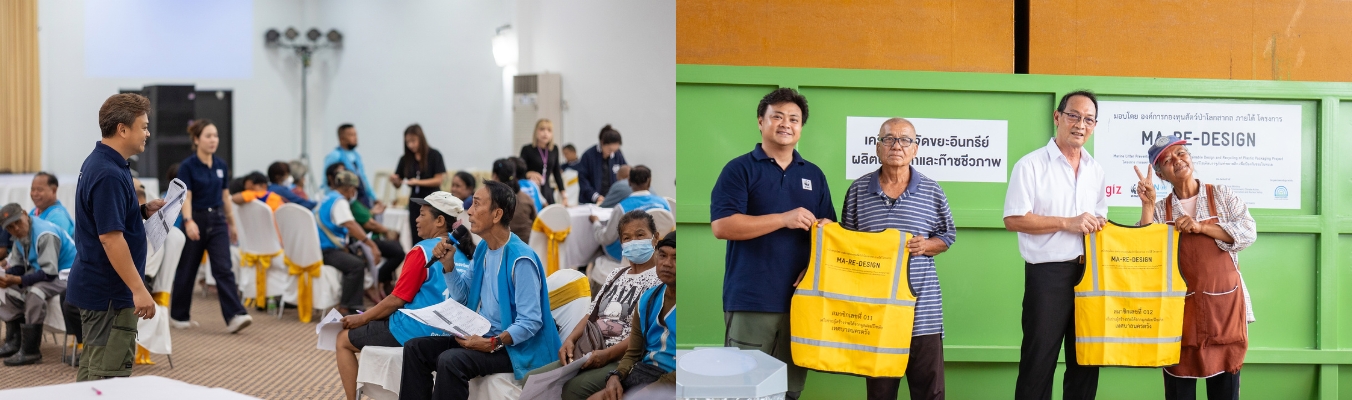
Nearly 40 WWF colleagues from 20 offices (Indonesia, China, Kenya, Peru, Ecuador, Turkiye, Mexico, Colombia, Norway, USA, Finland, Sweden, Singapore, Australia, Guatemala, Honduras, Mediterranean, Greece, France and Germany) gathered in Berlin for a Circular Economy Knowledge Exchange (September 8-10, 2026). The goal was to share project learnings and experiences, and identify concrete opportunities for collaboration.
Discussions spanned packaging, food systems, textiles, electronics, critical minerals, bio‑based materials, corporate engagement, circular finance, and policy – exploring ways to reduce virgin resource use, extend product lifetimes, and strengthen reuse and repair systems.
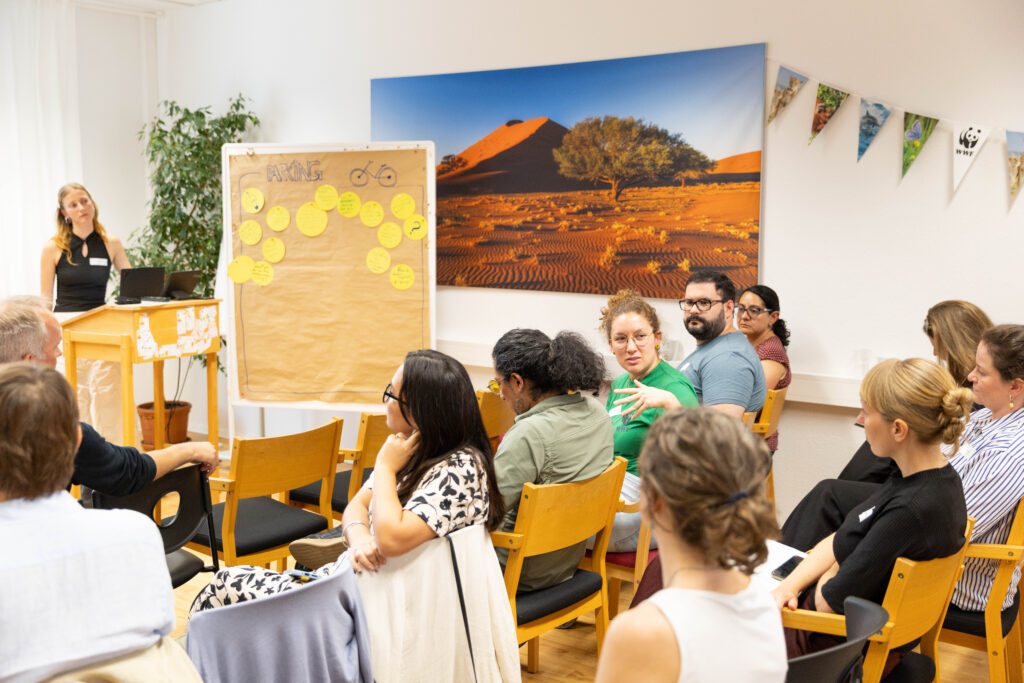
Circular Economy – for Climate, Biodiversity and Health
The negative impact of unmanaged solid waste has become a global challenge affecting public health, environment, social, and economic costs. Therefore, there is an urgency to move from the traditional linear economic model to adopt sustainable alternatives to circular economy approaches.
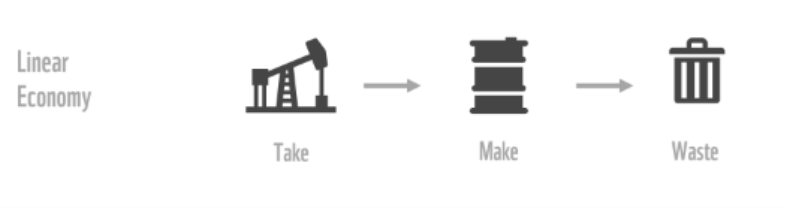
The circular economy is a model of production and consumption, which involves sharing, leasing, reusing, repairing, refurbishing and recycling existing materials and products as long as possible. In practice, it implies reducing waste to a minimum. When a product reaches the end of its life, its materials are kept within the economy wherever possible thanks to recycling. These can be productively used repeatedly, thereby creating further value.
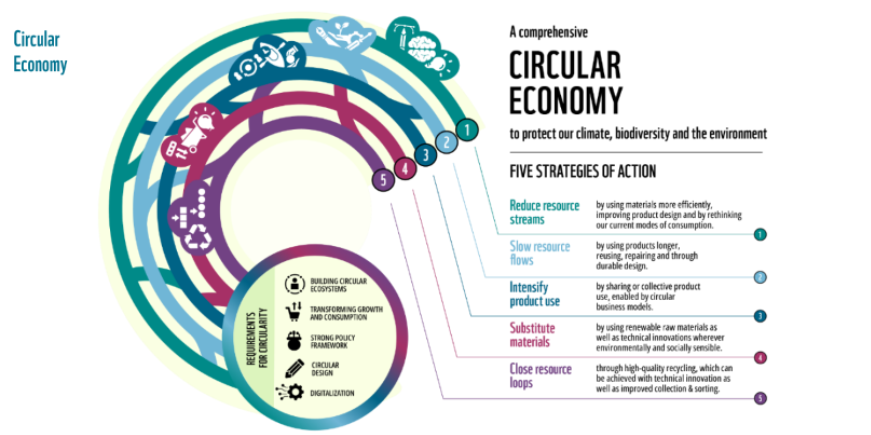
WWF’s Circular Economy Strategy
A Circular Economy has been established to replace the linear economy and ensure that business is conducted within planetary boundaries, thereby protecting climate and biodiversity.
Business & Markets: build circular business models and are committed to a circular economic system
- Policy: create political framework conditions and implement them with concrete instruments
- Circular Economy Communities: work hand in hand on the implementation of circular economy at a national level.
- Consumers: recognize their role in the circular economy, change their behavior, and become politically active.
Please note the WWF network circular economy strategy is currently under development
Beyond Recycling: Expanding the Circular Agenda
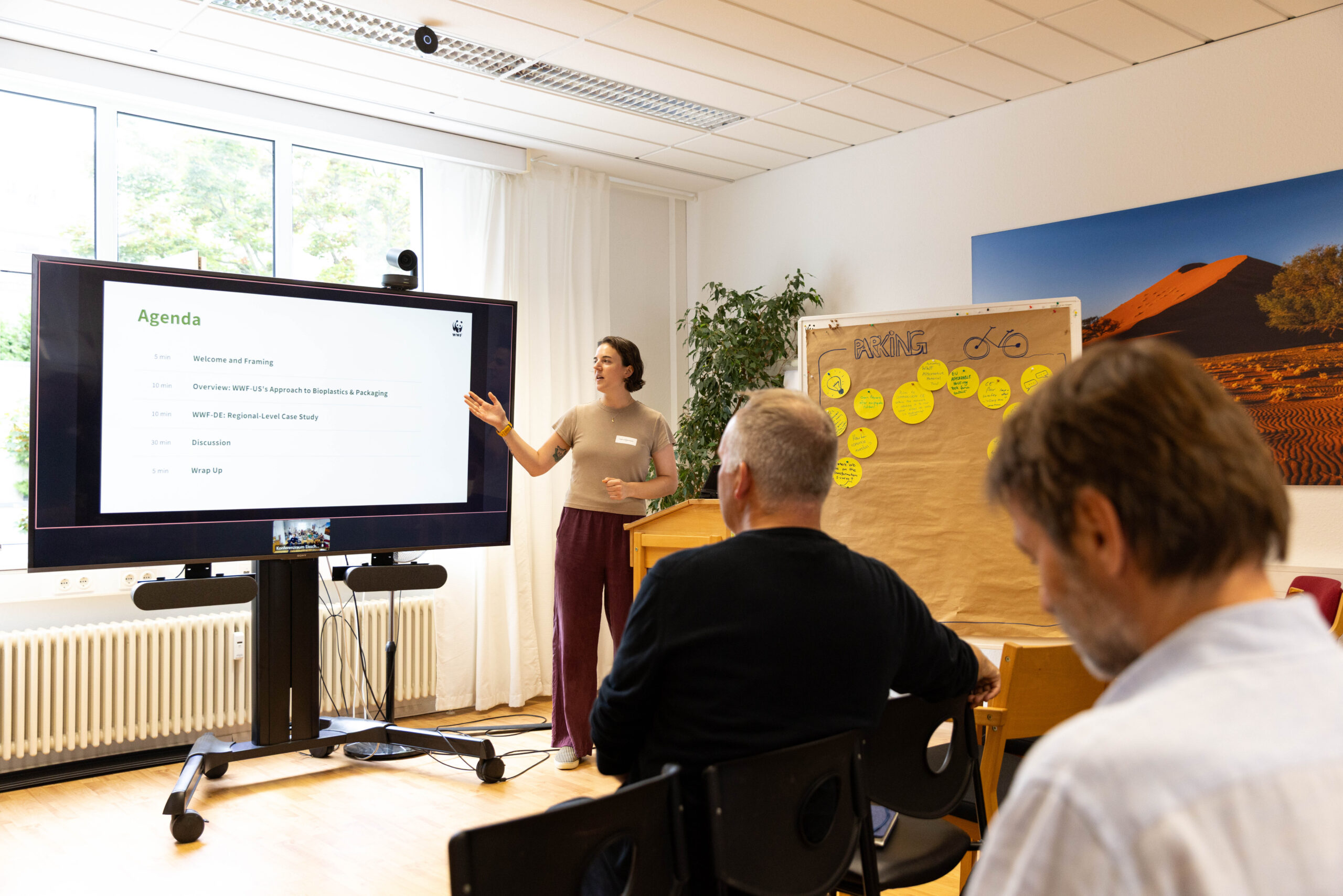
The workshop highlighted significant activity and interest around plastics and packaging, food systems, and textiles, while areas such as electronics and furniture remain less developed and offer opportunities for future engagement. New connections were also identified across topics such as critical minerals, textile circularity and EPR, circular finance, renewable energy, hospitality, national circular economy strategies, and resource indicators. Participants discussed opportunities for joint studies, collaborative funding proposals, and stronger integration of nature, climate, and circularity agendas.
Resources
- Circular Economy Course by WWF Germany (English & German)
- EPR Course by WWF Germany (English, Spanish & German)
- Circular Economy Corporate Engagement Tools
- Circular Economy Strategy Guide (English, Spanish & German)
- Make it Circular Strategy Game: A Gamified Circular Business Models in A Corporate Setting (English & German)
- Circular Business Assessment (English & German)
- Circular Economy Position Paper
- 15 Basic Principles Establishing Effective EPR Schemes for Packaging