As negotiations towards a Global Plastics Treaty continue, WWF is exploring how ambitious countries can maintain momentum and accelerate action on plastic pollution. In September, WWF launched the report “Tipping Point: How Coordinated Markets Can Transform Global Plastic Value Chains” and brought its key messages to the United Nations General Assembly (UNGA), engaging governments, experts, and civil society in discussions on the future of international cooperation and the treaty negotiations.
A New Report Exploring Pathways for Ambitious Action
Published on 15 September, the Tipping Point report examines how an ambitious coalition of countries could move forward with strong measures to address plastic pollution, even if universal participation in the treaty is not immediately achieved.
The report highlights how countries representing between 20% and 41% of global plastic demand could drive catalytic change by adopting common, binding measures on the most harmful plastic products. The report also suggests that if the INC process results in a framework based primarily on voluntary national actions, ambitious countries may need to consider additional pathways for adopting common, binding measures that can reduce plastic pollution at scale.
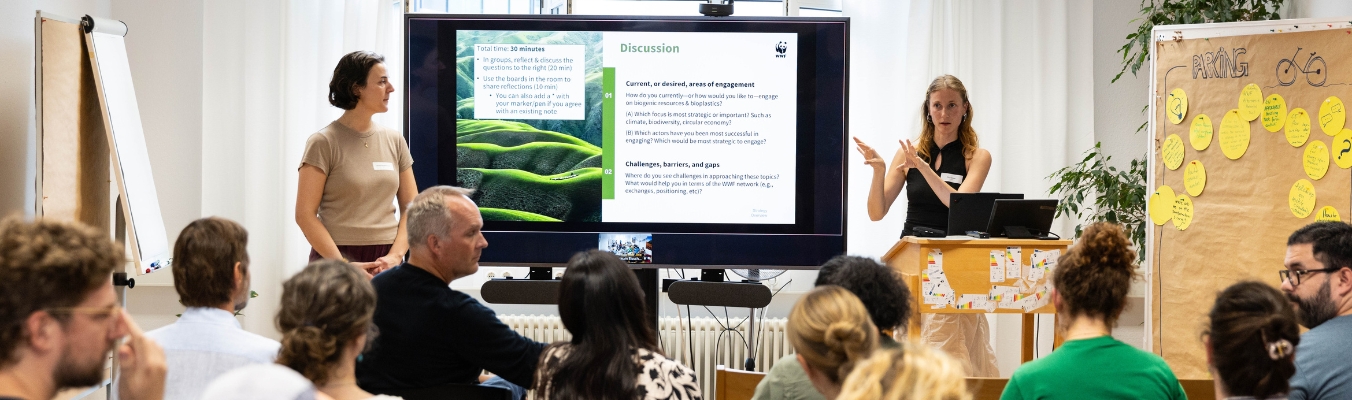
To support broader engagement, WWF followed the report launch with a webinar bringing together government representatives, businesses, and academic experts to discuss the findings and implications for ongoing treaty negotiations.
Bringing the Conversation to the United Nations
The report’s findings were subsequently carried into discussions at the United Nations General Assembly.
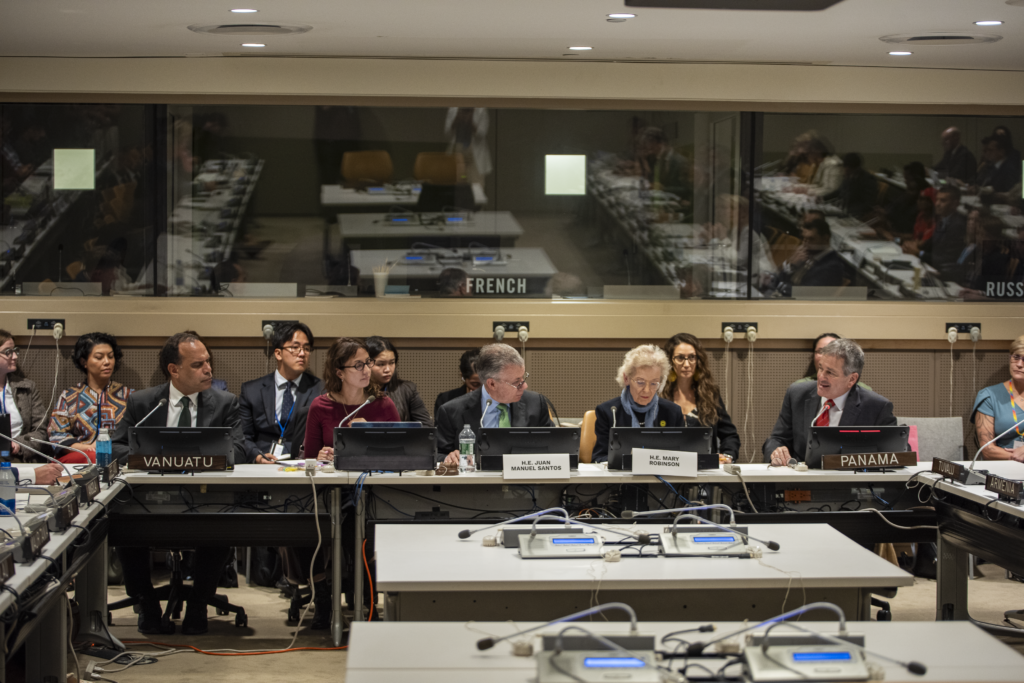
WWF collaborated with the governments of Panama and Vanuatu, together with Center for International Environmental Law (CIEL) and Greenpeace, to convene a ministerial-level event exploring how multilateralism can adapt to changing global political realities and how plurilateral approaches could help maintain ambition on global environmental challenges.
Moderated by former President of Ireland Mary Robinson and former President of Colombia Juan Manuel Santos, the event brought together ministers, experts, and civil society representatives from around the world. Discussions highlighted growing interest among governments in exploring new models of international cooperation while maintaining ambition on urgent environmental challenges such as plastic pollution.
Participants reflected on broader developments in global governance, including the Global Plastics Treaty negotiations, fossil fuel non-proliferation initiatives, and the International Court of Justice’s advisory opinion process, all of which point to an evolving multilateral system.
Looking Ahead
Evidence-based research can inform global policy discussions and help shape the direction of future negotiations. The UNGA event also highlighted a growing recognition that ambitious countries may need to explore creative and plurilateral approaches to maintain momentum towards an effective Global Plastics Treaty.
As negotiations continue, WWF will keep working with governments, civil society, and other partners to explore pathways that can advance ambitious action on plastic pollution while supporting the development of a strong, legally binding international agreement.