Zero Waste School Guide
How can schools become drivers of waste reduction and environmental stewardship? This guide provides a practical roadmap for schools to implement Zero Waste School (ZWS) programmes through structured waste management, environmental education, behaviour change, and community engagement. Developed by WWF Indonesia and Guru Belajar Foundation, the guide helps schools move from awareness and commitment to […]
WWF- Indonesia | Zero Waste Family Guide
How can families reduce waste and live more sustainably without making drastic lifestyle changes? This guide provides a practical introduction to zero waste living for households, helping families adopt mindful consumption habits, reduce waste at its source, and embrace everyday actions that support people and the environment. Developed as a family-friendly guide, the publication offers […]
WWF-Indonesia | Zero Waste School Guide
How can schools become drivers of waste reduction and environmental stewardship? This guide provides a practical roadmap for schools to implement Zero Waste School (ZWS) programmes through structured waste management, environmental education, behaviour change, and community engagement. Developed by WWF Indonesia and Guru Belajar Foundation, the guide helps schools move from awareness and commitment to […]
Perú Circular Game: Education on Proper Solid Waste Management
The “Perú Circular” game was developed under WWF’s Plastic Smart Cities initiative in Peru to make learning about plastic waste reduction engaging and accessible. Language: Spanish Developed within the framework of WWF’s Plastic Smart Cities initiative, the “Perú Circular” educational game provides an engaging trivia experience designed to transform household waste habits and deepen public […]
GIZ | Scaling Reuse System Through Behaviour Change: Insights from Southeast Asia
Plastic pollution remains one of the most critical environmental crises in Southeast Asia, fueled by rapid urbanisation and an overwhelming reliance on single-use sachets and takeaway packaging. While recycling remains a vital part of the puzzle, true sustainability requires stopping waste at the source through scalable circular-economy initiatives. This comprehensive GIZ report explores how behavioural […]
WWF | Reuse on Christmas Market: Guidelines for Municipality
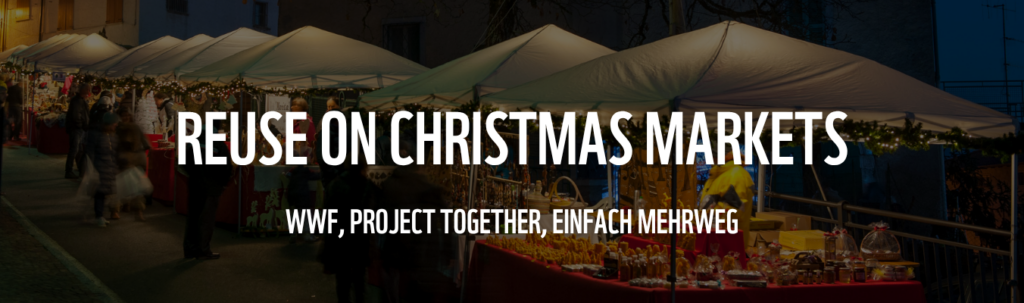
As traditional Christmas markets across Europe strive to align with modern sustainability goals, the transition from single-use plastics to circular systems has become a priority for local governments. To support this shift, WWF Germany and the “mehrweg. einfach. machen.” alliance have released a comprehensive set of guidelines designed to help municipalities implement scalable reuse systems. […]
WWF-Indonesia & YouthLab Indonesia Launches Youth Sustainability Index Report 2025

WWF-Indonesia Plastic Smart Cities and YouthLab Indonesia launched the Youth Sustainability Index Report 2025 at the Lestari Summit & Awards 2025, a collaborative platform organized by KG Media to bring together leaders, practitioners, academics, local communities, and innovators to shape Indonesia’s sustainability agenda. The data-driven report serves as a benchmark to measure the perceptions, behaviours, […]
WWF-Indonesia | Study of Reduce-Reuse-Recycle Waste Processing Facilities (TPS3R) in Bogor
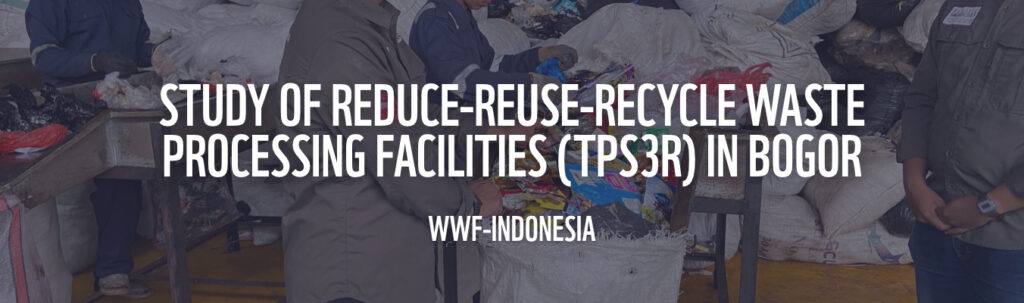
How effective are community-based waste management facilities in supporting Bogor City’s waste reduction goals? This WWF-Indonesia study assesses the performance of 32 TPS 3R (Reduce, Reuse, Recycle Waste Processing Facilities) across Bogor City, examining governance, operations, financing, regulations, and community participation. The report identifies critical challenges affecting facility performance while providing practical recommendations to strengthen […]
WWF-Viet Nam | Manual on Plastic Waste Reduction using the Participatory Action-Oriented Training (PAOT) Method
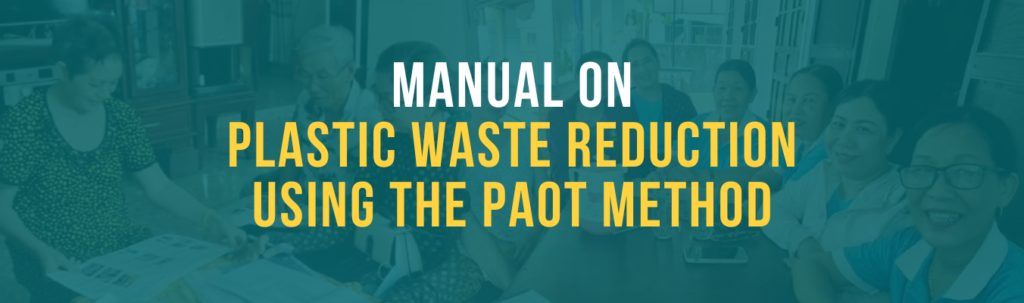
The Participatory Action-Oriented Training (PAOT) is a practical method that fosters grassroots initiatives and bases on self-help voluntary actions that enable local people to implement immediate improvements in occupational health and safety and working conditions by using available local resources (manpower and materials). Building on the experience of implementing the PAOT method for plastic reduction […]