WWF | Hue’s City Action Plan for Clean Streets
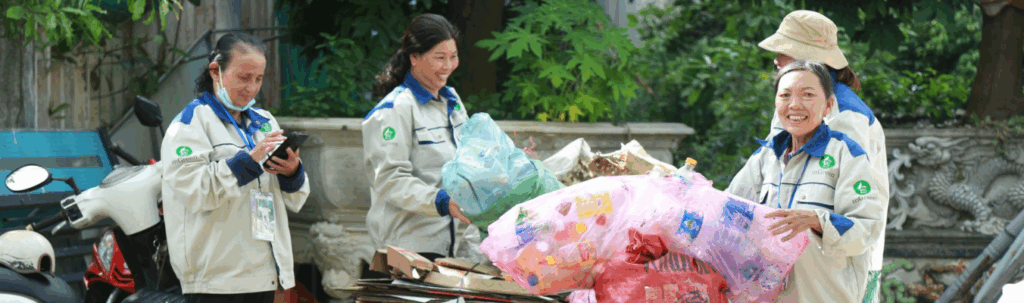
Case Study Viet Nam: HueWWF Involvement: September 2022 to December 2024Focus Area: Enabling FrameworkPSC Approach: Local Policy and RegulationSystemic Intervention: Strategy Development / Policy Advocacy Key Lessons Learned Background The journey towards “Hue – A Plastic Smart City in Central Viet Nam”, started with conducting baseline studies guided by the Plastic Smart Cities’ (PSC) Plastic […]
WWF | Recycling for Change: San Isidro’s Social Shift
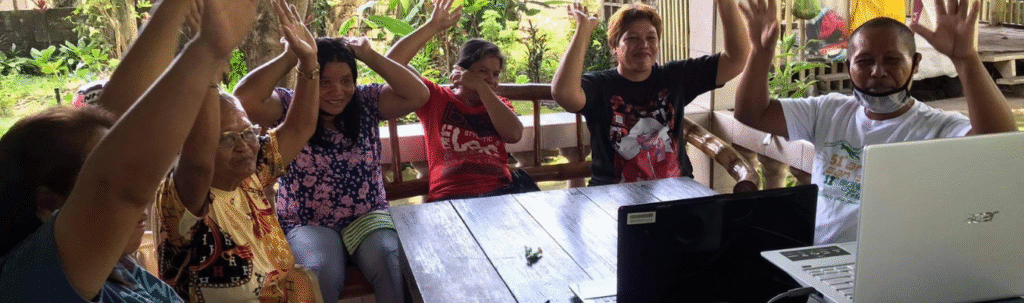
Case Study Philippines: San IsidroWWF Involvement: October 2022 to December 2024Focus Area: Recovery and RecyclingPSC Approach: Community-based Waste ManagementSystemic Intervention: Systems and Infrastructure Key Lessons Learned Background This initiative focuses on enhancing waste collection, processing, and value recycling to improve integrated solid waste management while promoting social inclusion and gender equity in San Isidro’s waste […]
OECD | Regional Plastics Outlook for Southeast and East Asia
According to the OECD’s Regional Plastics Outlook for Southeast and East Asia, the ASEAN Plus Three (APT) region—comprising the 10 ASEAN Member States alongside China, Japan, and Korea—accounts for nearly one-third of global plastics use and over one-third of global plastic leakage. Without intervention, regional plastic waste generation is projected to more than double from […]
Towards Circular Systems: Lessons Learned Plastic Smart Cities

This study captures learnings from a range of PSC pilot interventions conducted between 2018 and 2024 from five countries in East and Southeast Asia where we have had some of the longest history of engagement: China, Indonesia, the Philippines, Thailand, and Viet Nam. However, the PSC programme has continued to expand globally and this study […]
WWF | Jakarta’s Waste Collection Collaboration
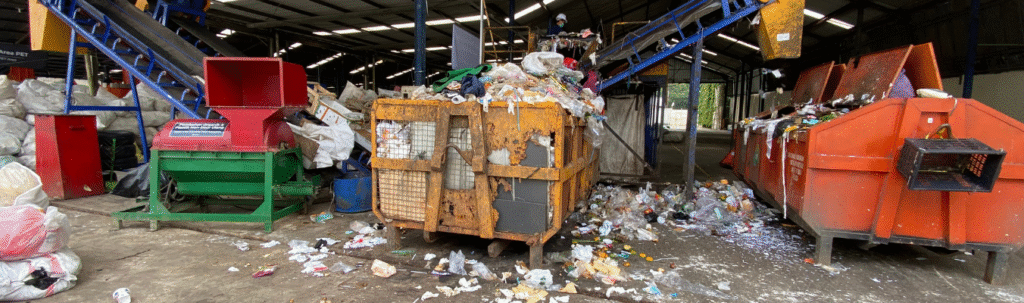
Case Study Indonesia: Bekasi, Bogor, Depok, Jakarta (Greater Jakarta)WWF Involvement: December 2023 to January 2025Focus Area: Recovery and RecyclingPSC Approach: RecyclingSystemic Intervention: Systems and Infrastructure Key Lessons Learned Background The privately operated RECO Consortium integrates REKOSISTEM and SweepSmart to improve plastic waste management through collection and sorting. REKOSISTEM manages waste collection, picking up waste from […]
WWF | Hue Makes Tourism Sustainable

Case Study Viet Nam: HueWWF Involvement: November 2021 to December 2024Focus Area: ReductionPSC Approach: Reduction; Reuse/RefillSystemic Intervention: Knowledge Strengthening Key Lessons Learned Background According to the 2021 baseline assessment carried out by WWF in Hue city, 15% of the total waste generated in the city was plastics (60 tonnes/day). The assessment also highlighted interventions to […]
WWF | Zero Waste Schools in Indonesia

Case Study Indonesia: Bogor, Depok, JakartaWWF Involvement: June 2022 to October 2024Focus Areas: ReductionPSC Approach: Behavioural ChangeSystemic Intervention: Knowledge Strengthening Key Lessons Learned Background In 2022, the PSC Zero Waste School initiative was launched by WWF-Indonesia in three pilot public schools located within the Ciliwung River Basin, which runs through Jakarta, Bogor, and Depok. The […]
WWF | Con Dao Schools Go Plastic-Free

Case Study Viet Nam: Con DaoWWF Involvement: March 2021 to May 2024Focus Area: ReductionPSC Approach: Behavioural ChangeSystemic Intervention: Policy Advocacy, Knowledge Strengthening Key Lessons Learned Background Con Dao, like many islands and coastal areas that are relatively small and remote, face unique challenges with waste management. This is due to limited recycling infrastructure and its geographic […]
WWF | Pak Meng School Cashes in on Waste

Case Study Thailand: Trang City, Trang ProvinceWWF Involvement: January 2023 to March 2025Focus Area: Reduction, CollectionPSC Approach: Behavioural Change, Community-based Waste ManagementSystemic Intervention: Knowledge Strengthening, Systems & Infrastructure Key Lessons Learned Background Pak Meng School in Trang, Thailand, piloted a holistic approach to plastic waste management from initiating educational activities for the reduction of plastic […]
WWF | Thailand’s Businesses Go Green

Case Study Thailand: Hat Yai, Koh Samui, Songkhla, Surat ThaniWWF Involvement: March 2024 to December 2024PSC Approach: Reduction and Reuse/Refill, Sustainable AlternativesFocus Area: ReductionSystemic Intervention: Knowledge Strengthening Key Lessons Learned Background WWF’s Plastic ACTion (PACT) is a business initiative that aims to reduce waste and move towards a circular economy. The programme empowers companies to adapt their […]