WWF | 15 Basic Principles Establishing an Effective Extended Producer Responsibility (EPR) Scheme for Packaging

As the global plastic crisis accelerates, with 11 million tonnes of plastic entering our oceans annually, the need for a systemic shift toward a circular economy has never been more urgent. WWF’s “No Plastics in Nature” initiative identifies Extended Producer Responsibility (EPR) as a foundational tool to bridge the gap between production and sustainable end-of-life […]
WWF-Indonesia | A Ray of Light Amidst the Plastic Crisis

In the face of a mounting global plastic crisis, a dedicated group of local heroes is lighting the way toward a cleaner, more sustainable future for Indonesia. This book captures the power of grassroots leadership, profiling the extraordinary individuals who have turned environmental challenges into opportunities for community empowerment. These stories serve as a powerful […]
SEA-MaP | Regional Behavior Change Communications (BCC) Strategy Playbook on Plastic and Plastic Waste in ASEAN

Plastic pollution remains a critical threat to the environment, public health, and economies across Southeast Asia, driven by persistent everyday behaviors like littering and a heavy reliance on single-use plastics. While awareness is growing, the transition to sustainable habits requires a deep understanding of the specific “enablers” and “barriers” that influence daily choices. This newly […]
WWF Germany | Biogenic Resources in Packaging
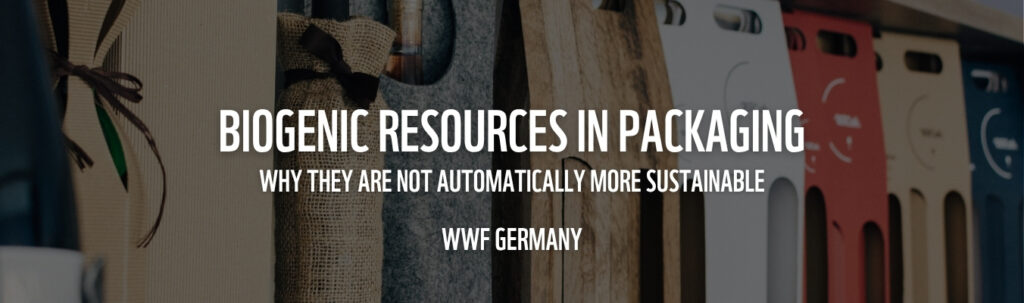
According to a study by ifeu and GVM published by WWF Germany, substituting fossil-based materials with biogenic resources in packaging is not automatically more sustainable. Although overall packaging consumption in Germany is projected to drop by nearly 16%—from 17.89 million tonnes in 2023 to 15.05 million tonnes by 2045—the widespread adoption of bio-based plastics threatens […]
The Pew Charitable Trusts, ICF | Breaking the Plastic Wave 2025

In 2020, The Pew Charitable Trusts and Systemiq published a groundbreaking report, “Breaking the Plastic Wave,” amid significant data gaps on plastic pollution, substantial debate over the scale of the plastic pollution problem and various proposals to meet the challenge. With that report, Pew and partners sought to move the global discourse forward by identifying […]
WWF-Indonesia | Study of Reduce-Reuse-Recycle Waste Processing Facilities (TPS3R) in Jakarta Province
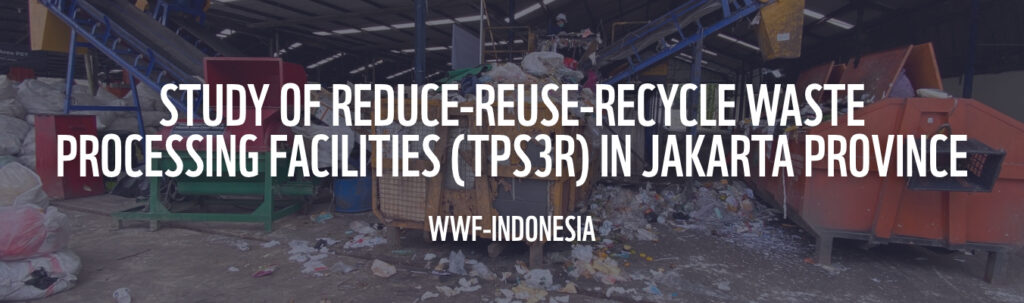
How effective are Jakarta’s TPS 3R facilities in reducing waste and supporting a circular economy? WWF-Indonesia’s latest study assesses the performance of 20 TPS 3R (Tempat Pengolahan Sampah Reduce, Reuse, Recycle) facilities across Jakarta, examining governance, operations, financing, and community participation. The findings highlight both good practices and persistent challenges, providing recommendations to strengthen community-based […]
WWF-Indonesia | Indonesia Youth Sustainability Index Report 2025

This data-driven report serves as a benchmark for Indonesian youth aged 16–30 years to measure their perceptions, behaviours, and levels of engagement in sustainability practices, particularly on environmental and waste management issues. This study is based on survey with data collected from over 1,000 respondents in Jakarta, Bogor, and Depok, and is supplemented by interviews […]
SEI | A Waste Hero Alliance: Youth Visions for the inclusion and empowerment of informal waste workers in Asian Circular Cities

Focusing on five areas with an impact on the livelihoods of informal waste workers, this report presents key policy recommendations ideated by youth based on inputs from informal waste workers and feedback from other stakeholders. The Waste Hero Alliance is the result of an innovative multi-stakeholder policy dialogue series that connected informal waste workers and […]
WWF-Indonesia | Study of Reduce-Reuse-Recycle Waste Processing Facilities (TPS3R) in Bogor
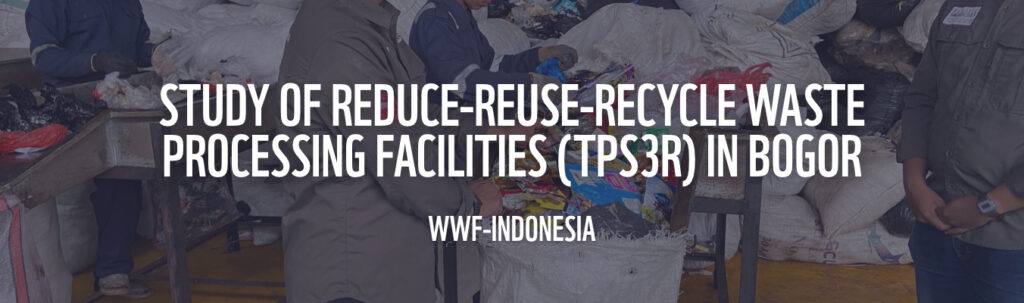
How effective are community-based waste management facilities in supporting Bogor City’s waste reduction goals? This WWF-Indonesia study assesses the performance of 32 TPS 3R (Reduce, Reuse, Recycle Waste Processing Facilities) across Bogor City, examining governance, operations, financing, regulations, and community participation. The report identifies critical challenges affecting facility performance while providing practical recommendations to strengthen […]
WWF-Indonesia | Roadmap for Reducing Waste in Traditional Markets Across Bogor City from 2025 to 2029
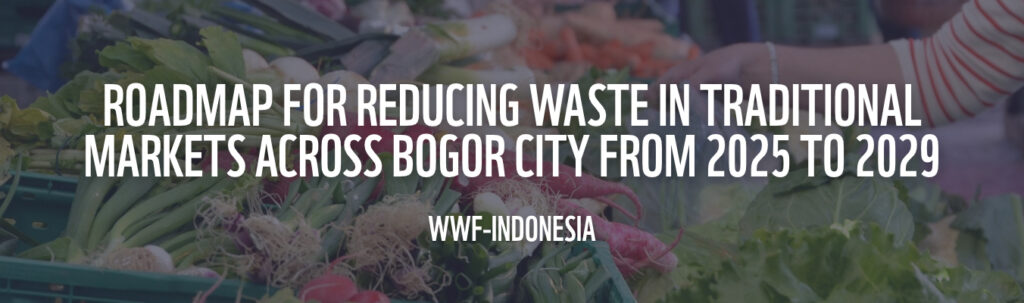
Traditional markets are among the most important economic and social hubs in Bogor City, but they also generate significant amounts of organic and plastic waste. This roadmap, developed through collaboration between WWF-Indonesia, the Plastic Smart Cities initiative, and Perumda Pasar Pakuan Jaya, provides a strategic framework for reducing waste from traditional markets between 2025 and […]