Case Study
Indonesia: Bogor
WWF Involvement: August 2023 to December 2024
Focus Area: Recovery and Recycling
PSC Approach: Recycling
Systemic Intervention: Systems and Infrastructure
Key Lessons Learned
- Evidence-based planning is important for facilities, requiring accurate baseline data and material flow mapping, feasibility and risk assessments: When facility planning is informed by up-to-date baseline data, including material flow mapping, equipment and processing capacity can be better aligned with actual waste volumes and composition. Carrying out a market assessment and strategy for recycled products, risk analysis, and financial planning in advance of implementation helps identify potential challenges and strengthens the project’s long-term sustainability.
- Integrating facilities within the wider waste system improves overall efficiency: Looking beyond the facility level to consider the broader solid waste management chain allows for greater coordination, avoids duplication, and enhances system-wide performance.
- Selecting equipment that matches material input and processing needs boosts performance: When facilities are equipped with technology appropriate to incoming material types and volumes, productivity improves and output quality is enhanced.
Background
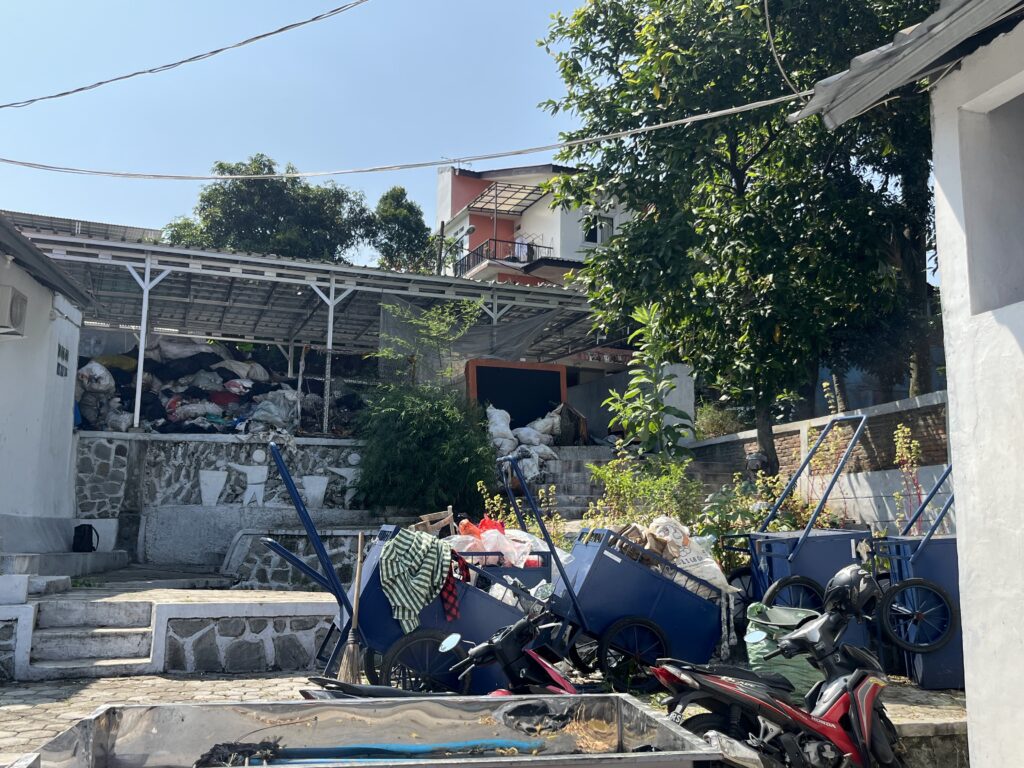
Bantar Kemang and Mekarwangi are interconnected waste management facilities in Indonesia, owned by Rekam Nusantara Foundation who oversees the operations of both sites. WWF’s partnership with Rekam Nusantara began in 2022. An area in Bantar Kemang, originally an illegal dumping site, was upgraded into a TPS (waste transfer and sorting facility) serving the surrounding neighbourhoods. While it could sell high-value plastics such as PET, PP, and PE, low-value plastics such as multi-layer and single-layer plastics had limited offtakers, leading to the creation of Mekarwangi.
Mekarwangi, a TPS3R recycling hub, was established to process low-value plastics from Bantar Kemang into various products. However, since becoming operational in 2024, it has had challenges with low production capacity, weak market demand, and financial instability.
Both facilities have faced high capital and operational costs, poor waste separation at source, and unsustainable funding. While intended to create a closed-loop plastic recycling system, systemic challenges have impacted efficiency, scalability, and long-term viability.
Objectives
- Transform an existing dumping ground into a functional waste transfer and sorting station (TPS) to improve local waste management.
- Establish financial sustainability through collection fees and material sales.
- Create a viable model for recycling low-value plastics into useful products.
Key Successes
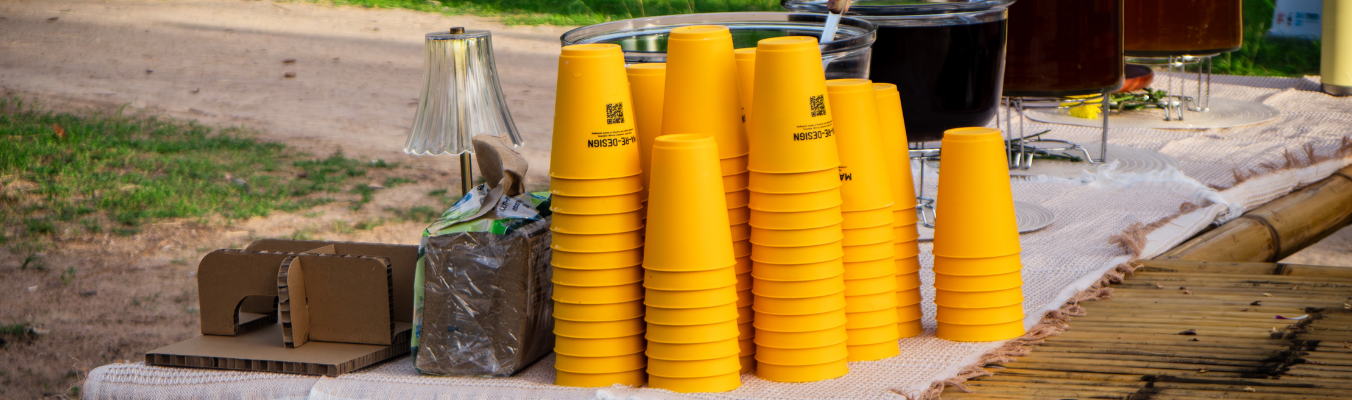
- Mekarwangi produces recycled plastic products such as infiltration wells, chairs, tables, and wood alternatives, showcasing the potential to reduce plastic pollution and generate value from waste. However, limited processing capacity prevents the facility from meeting the demand of its main customer, restricting its overall impact.
- Bantar Kemang has undergone upgrades, transitioning from an unregulated dumping ground into a basic transfer station. There is improved operational oversight and waste management controls.
Key Challenges
Bantar Kemang (TPS)
- Ongoing challenges with enforcement have allowed non-designated waste to enter the facility: While guidelines are in place, there are instances where waste from outside the permitted service area of 15 RTs continues to be delivered due to its strategic location, complicating efforts to monitor volumes and material composition (WWF KII 14, 2024).
- Operational planning around waste flow and equipment could be further optimised: More precise alignment between anticipated needs and equipment procurement would help avoid underutilisation and support more efficient operations.
- Additional measures to improve containment at the vehicle offloading area may help reduce environmental impacts: During periods of heavy rain, inadequate containment has occasionally resulted in waste being washed into nearby streets, highlighting opportunities for infrastructure improvement.
- Low levels of source segregation continue to present processing challenges: The presence of organic material and mixed waste in incoming waste streams complicates efforts to recover recyclable materials effectively.
Mekarwangi (TPS3R)
- Although established to process low-value plastics from Bantar Kemang, the facility currently receives limited volumes of 3 tonnes/month, which reduces its potential impact (WWF KII 14, 2024). Increasing the quantity and consistency of input materials would enhance its contribution to plastic recycling efforts.
- The facility has yet to achieve full operational and financial self-sufficiency: Despite notable capital and operational investments, revenue generation remains limited, partly due to emerging markets for recycled plastic products. Long-term sustainability may depend on the continued development of these markets and additional business planning support.
- Production levels are currently constrained by processing capacity: Although there is demand for products such as infiltration wells, the existing machinery limits the facility’s ability to scale production to meet this demand.
- Market demand for recycled plastic furniture is still evolving: While the facility has demonstrated capacity to produce such items, broader uptake may depend on increasing awareness and creating targeted market linkages. More recently PT Jauhar Hidro Mekatron became an offtaker for some products.
Resources
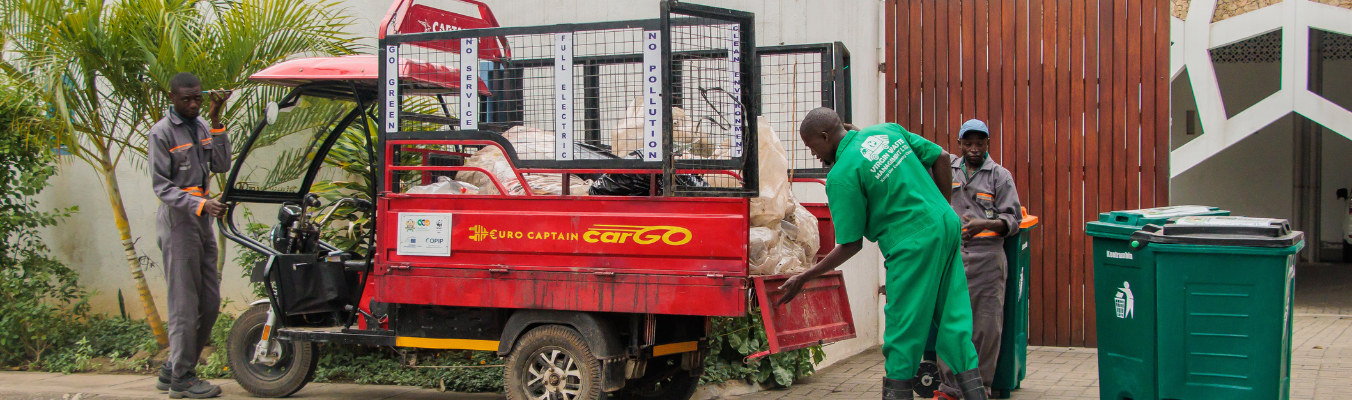
- Support and infrastructure: Bantar Kemang received handcarts, PPE, and a motorcycle cart from WWF who also invested in equipment, including three conveyor belts, two shredders, two balers, an extruder, building and setting up of the facility in Mekarwangi. The land for Mekarwangi was also provided by Bogor Municipality and Bogor City Environment Agency to assist with set up and also receives significant support from the Ciliwung Task Force (Satgas Ciliwung) (WWF KII 14, 2024).
- Human Resources: Bantar Kemang has nine employees, including a driver, security guard, sorter, supervisor and administration staff. Mekarwangi has a team of 11 employees with various roles, including management, operations, and technical support.
- Stakeholders: Collaboration with local government for land and regulatory support.
Enabling Factors
- The allocation of land by local government, access to sorting infrastructure, as well as technical expertise in plastic recycling and product development for Mekarwangi helped reduce initial capital costs and support the development of the project.
- The largest supplier of waste comes from the Priority Rukun Tetangga (RT) (a neighbourhood SWM unit), contributing approximately 80% of the total waste supply to Mekarwangi (WWF KII 14, 2024).
Risks & Opportunities
- Long-term financial sustainability of Bantar Kemang and Mekarwangi remains uncertain: With current revenue levels not yet sufficient to fully sustain operations. Low community participation in waste separation may affect processing efficiency, and challenges with enforcement could allow for continued unregulated dumping. Mekarwangi’s efforts to build consistent market demand for recycled products are ongoing, and demand remains relatively low at this stage.
- Stronger enforcement from local city leaders: Collaborate closely with Bogor City Environment Agency to enforce clearly assigned neighbourhoods to dispose of segregated waste to Mekarwangi and Bantar Kemang to ensure steady source of waste and increase recycling rate.