WWF-Philippines | Clean Ports, Clean Oceans: Lessons learned from addressing plastic pollution in the Philippines
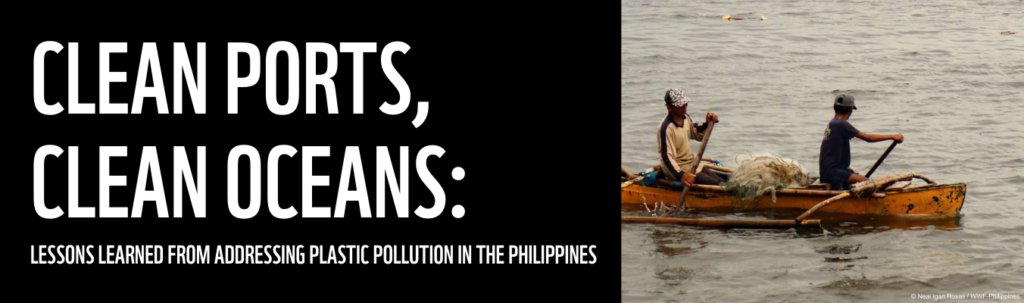
Plastic pollution is one of the fastest-growing global environmental problems. It is generally estimated that 80% of marine plastic litter comes from land-based activities and 20% from sea-based activities, such as fishing, aquaculture and shipping. The maritime sector is an essential part of global trade and the economy and includes activities at sea but also […]
WWF Singapore | WWF Singapore x Sentosa Disposable Playbook
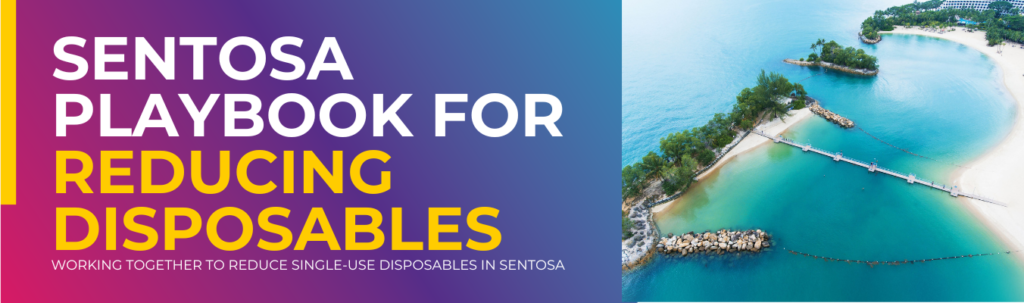
Sentosa Playbook for Reducing Disposables
PREVENT Waste Alliance | Ending Plastic Pollution in Small Islands and Remote Coastal Areas
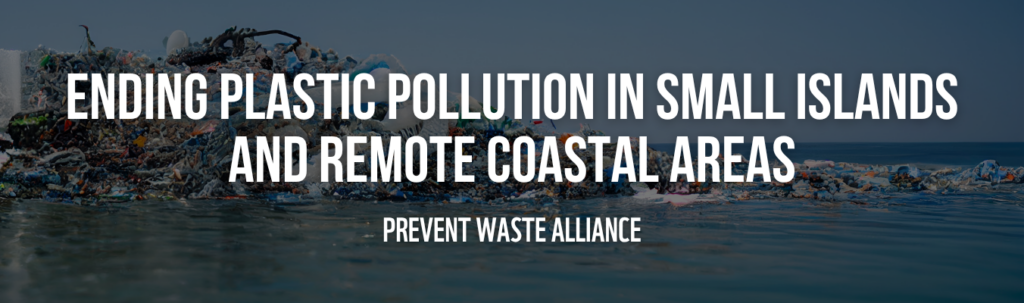
Small island communities and remote coastal areas (SICs) find themselves on the absolute frontline of the global plastic pollution crisis, bearing a disproportionate environmental and financial burden. Due to geographic isolation, limited land availability, and small populations that rule out mainland economies of scale, standard waste management models regularly fail in these fragile ecosystems. In […]
WWF | Unpacking Reuse in the Plastic Pollution Treaty
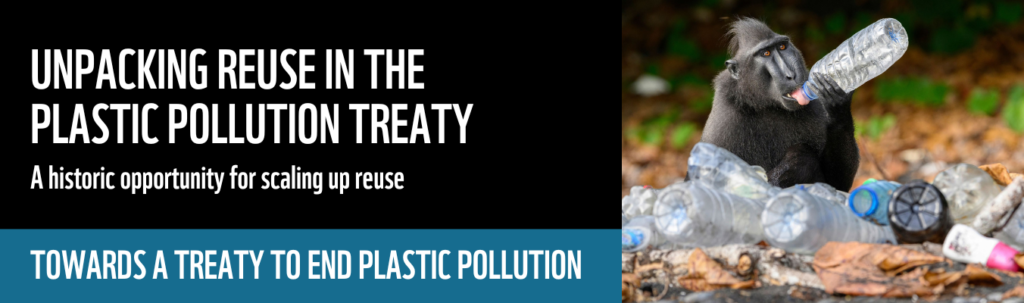
The international community has started negotiations on a global treaty to end plastic pollution. The treaty is focused on the plastic pollution across the lifecycle of plastic, arising from the over-use and mismanagement of plastic products. The treaty will contain a range of provisions to tackle these issues across the product life cycle. A key […]
OECD | Extended Producer Responsibility: Basic Facts and Key Principles
Extended Producer Responsibility (EPR) is a policy approach that makes producers responsible for their products along the entire lifecycle, including at the post-consumer stage. This policy paper summarises the current consensus on the EPR policy approach. This document synthesises the current implementing experience with the EPR policy approach to provide policymakers with knowledge on the […]
WWF | Rising Tides III: Citizens around the world demand strong rules to end plastic pollution

In March 2022, the governments of 175 countries committed to develop a new global agreement to end plastic pollution, covering the full lifecycle of plastic from extraction of oil and gas for plastic production through to design, use and management of plastic waste. Governments have committed to delivering the agreed treaty text by the end […]
WWF | Rising Tides: Global Opinion on Actions to Stop Plastic Pollution in 28 Countries

Plastic production, consumption and pollution levels have increased exponentially since the 1950s and incur significant environmental, social and economic costs. Unless action is taken, plastic waste generation will double and the flow of plastic pollution into the ocean will triple by 2040. In February 2022, at the UN Environment Assembly meeting in Nairobi, UN member […]
WWF Position: The Role of Reuse in a Circular Economy for Plastics
As efforts to address the global plastic waste and pollution crisis increase, there is a growing focus on reuse as a solution. Reuse systems can provide a number of potential benefits over conventional linear approaches, but it is important to ensure that these systems are built on a solid set of principles. This position paper […]
WWF | Community Generates Funds from Selling Recyclables through a Waste Bank Initiative

The separation of waste at source is supported through the provision of segregation bins to collect recyclable waste, which is sold to recyclers – this intervention generates income for the community from waste sorting. Background Baan Bang Lha is a community of narrow pathways built on piles in the Tapee River that experiences garbage leakage […]
WWF | Who Pays for Plastic Pollution? – Enabling Global Equity in the Plastic Value Chain

The lifetime cost of plastic is 10 times higher for low-income countries than rich ones, revealing crippling inequities in the plastics value chain A WWF-commissioned report developed by Dalberg warns that the true cost of plastic on our shared environment, health and economies can be as much as 10 times higher for low-income countries, even […]