WWF-Viet Nam | Manual on Plastic Waste Reduction using the Participatory Action-Oriented Training (PAOT) Method
The Participatory Action-Oriented Training (PAOT) is a practical method that fosters grassroots initiatives and bases on self-help voluntary actions that enable local people to implement immediate improvements in occupational health and safety and working conditions by using available local resources (manpower and materials). Building on the experience of implementing the PAOT method for plastic reduction […]
World Bank | Navigating Plastic Management: Tools for Government Action Planning
Plastic pollution is a global challenge, affecting ecosystems, livelihoods, and human health. Its impacts are recognized at the international level where efforts are underway to develop an international legally binding instrument (ILBI) on plastic pollution (‘Plastic Treaty’). In order to understand the scale and nature of plastic pollution—and identify and implement potential solutions—many different approaches, […]
WWF-Thailand | Thailand Plastic-Free School Manual

From Plastic Smart Cities to Plastic Free School Programme. From the Plastic Smart Cities project to the extension of the concept and goal of nurturing children and youth, it has expanded into the Plastic Free School Programme, which was organized under 10 pilot schools in Surat Thani Municipality and Koh Samui Municipality in 2024. The […]
WWF-Singapore | Reusable E-commerce Packaging Pilot Report
WWF-Singapore’s Plastic ACTion (WWF-PACT), with partners UOB, SingPost, and Better Packaging Co., launched a pilot program to promote reusable e-commerce packaging in Singapore, aiming to foster a circular economy. Retailers like Cloversoft, Davines, and others are offering customers the option to choose reusable packaging over single-use disposables. This initiative showcases how Singapore’s developed postal network […]
WWF-Viet Nam | The Plastic Reduction Journey of Hue City
In Hue City, the project “Hue – A Plastic Smart City in Central Vietnam” (hereinafter referred to as TVA project) funded by WWF-Norway through WWF-Vietnam, with Hue City People’s Committee as the executive agency, has been implemented from 2021 to 2024. The overall objective of the Project is to support Hue city in protection of […]
WWF | A Global Treaty to End Plastic Pollution that People and Nature Need
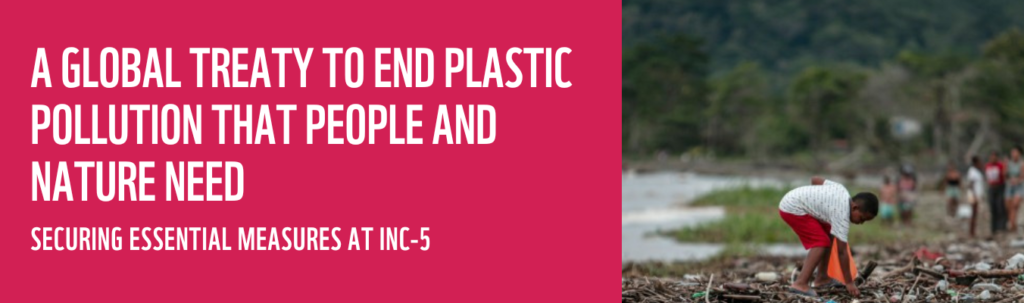
As states prepare to gather at the fifth and final session of the intergovernmental negotiations on the global treaty to end plastic pollution (INC-5), plastic pollution continues to ravage our planet, destroying ecosystems and wildlife populations, fuelling climate change and infiltrating our bodies through the air we breathe and the food and water we consume. […]
Circle Economy | The Circularity GAP Report 2024
Despite the circular economy entering the mainstream, global circularity is still in decline. The Circularity Gap Report 2024 underscores the urgency to shift from circular economy awareness to concrete actions that reduce environmental impacts. This year’s report introduces a roadmap to address declining circularity rates by focusing on three key areas: unlocking capital, enforcing policy […]
SWITCH-Asia | Positions of All Countries on the Global Plastics Treaty for INC-3
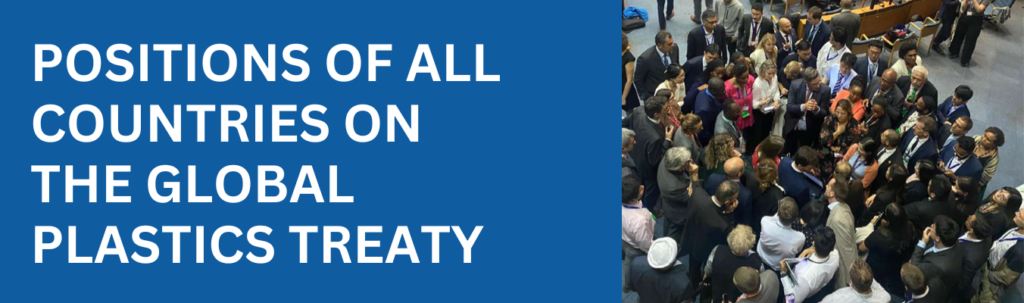
Plastic pollution is a global challenge with adverse effects on the environment and human health. In late 2022, negotiations on a global treaty began aiming at addressing this challenge. The start of negotiations followed Resolution 5/14 of the United Nations Environment Assembly, which mandated member states to negotiate an international legally binding instrument to combat […]
WWF-Viet Nam | School Plastic Reduction Handbook
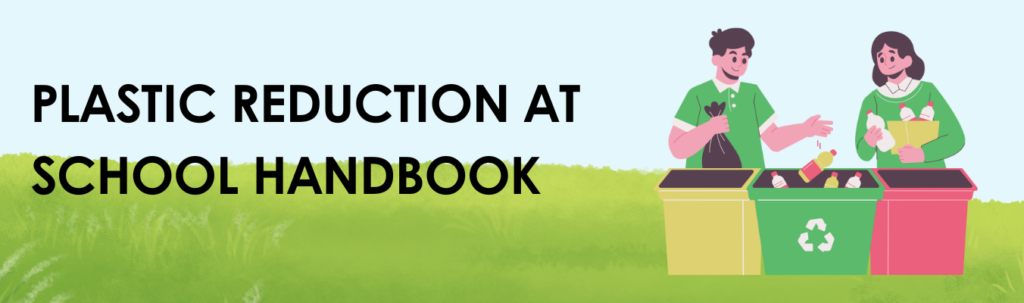
This handbook was developed to assist schools in minimizing plastic use and promoting a green, clean, and sustainable learning environment. Featuring practical methods and specific activities, this handbook provides basic knowledge about plastics, plastic waste, and its harm to the environment and human health. This handbook is divided into three main chapters: Chapter 1: Plastic […]
WWF-Thailand | Student Activity Book: Towards a Pollution-Free Nature
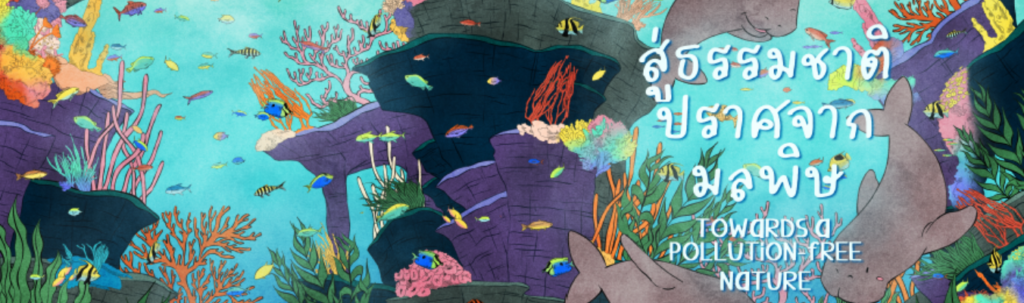
Language: Thai This activity book provides children with an engaging, interactive explanation of plastic issues using colourful illustrations across ten activities and topics: