Rare, GEF, SGP, UNDP | Solutions to Plastic Pollution with Community-Based Behavior Change

Plastic pollution is a global crisis impacting natural systems, wildlife, and human health. Nations are currently negotiating a high-level treaty to coordinate efforts to reduce plastic use worldwide (Chen, Sulan et al., 2024). No single solution can solve this crisis. Tackling plastic pollution requires changes at every stage of production and use: governments must enact […]
WWF | Plastics, Health, and One Planet

Plastic pollution is not only an environmental issue—it is a growing global health crisis. Plastics are leaking into and harming water and land-based ecosystems. As a result, micro- and nanoplastics (MnPs) are now entering our bodies too, exposing people and animals everywhere to potentially serious health risks. They are found in the air we breathe, […]
WWF-Thailand | A Handbook for Developing Plastic Smart Cities in Thailand
Plastic Smart Cities (PSC) Thailand is a four-year program (2021-2024) financially supported by the NRK & Norad through World Wide Fund for Nature (WWF) Norway. Plastic Smart Cities are cities that aim to have zero plastic leakage into nature. The program’s overall objective is to reduce plastic leakage by 30% in the near term, and […]
Plastic Smart Cities Fair in Manila Brings Enterprises and Communities Together
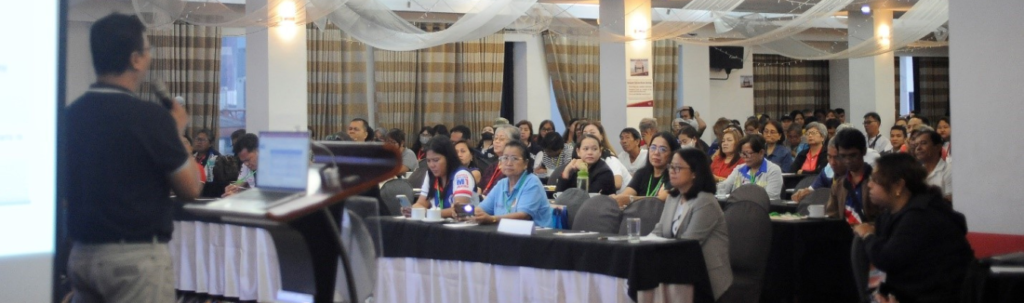
The Plastic Smart Cities (PSC) initiative in Manila City, Philippines, is currently in the final stretch of its implementation, set to conclude in 2025. To ensure the sustainability of its efforts in collaboration with the City of Manila, the project hosted a Plastic Smart Cities Fair on November 25, 2024. This event served as a […]
Helsinki joins Plastic Smart Cities – a first in the Baltic Sea

In March 2024, the city of Helsinki joined the global Plastic Smart Cities movement – becoming the first to do so in the Baltic Sea region.
Single-use Plastic Levy

Single-use plastic levies place taxes on items like plastic bags, bottles and food packaging to deter their use. TARGET USERS: Individuals, Businesses, Government KEY CONSIDERATIONS: Price modulation that adjusts cost modelling by businesses or consumers seek to shift usage patterns. MORE INFORMATION: See UNEP Report, page 65 THE PROBLEM Single-use plastic products (SUPs) are used once, or for a short period of […]
Shoreliner
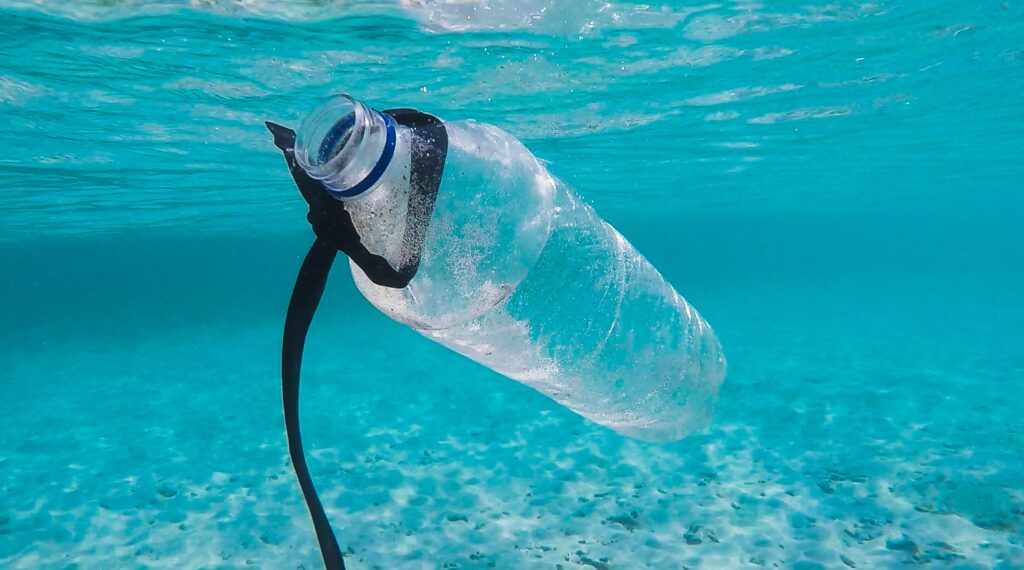
The Shoreliner is a collection system for floating plastic debris in ports, rivers and other waterways. TARGET USERS: Businesses, Industry, Government KEY CONSIDERATIONS: The Shoreliner is being developed in The Netherlands, and has launched a pilot with the Port of Rotterdam. MORE INFORMATION: https://www.tauw.com/news/news/shoreliner-voted-most-sustainable-port-project.html THE PROBLEM More and more plastic waste is ending up in our oceans and seas. The […]
Source Segregation

Source Segregation by regulatory instrument establishes rules that govern the quality of garbage collection at the household or institutional level, and that can mandate or incentivize waste stream separation at the source of generation. TARGET USERS: Individuals, Businesses, Industry, Government KEY CONSIDERATIONS: Source Segregation reduces the upstream sorting cost and ensures that downstream recyclers receive clean feedstock, thus […]
Recycling Incentive Scheme
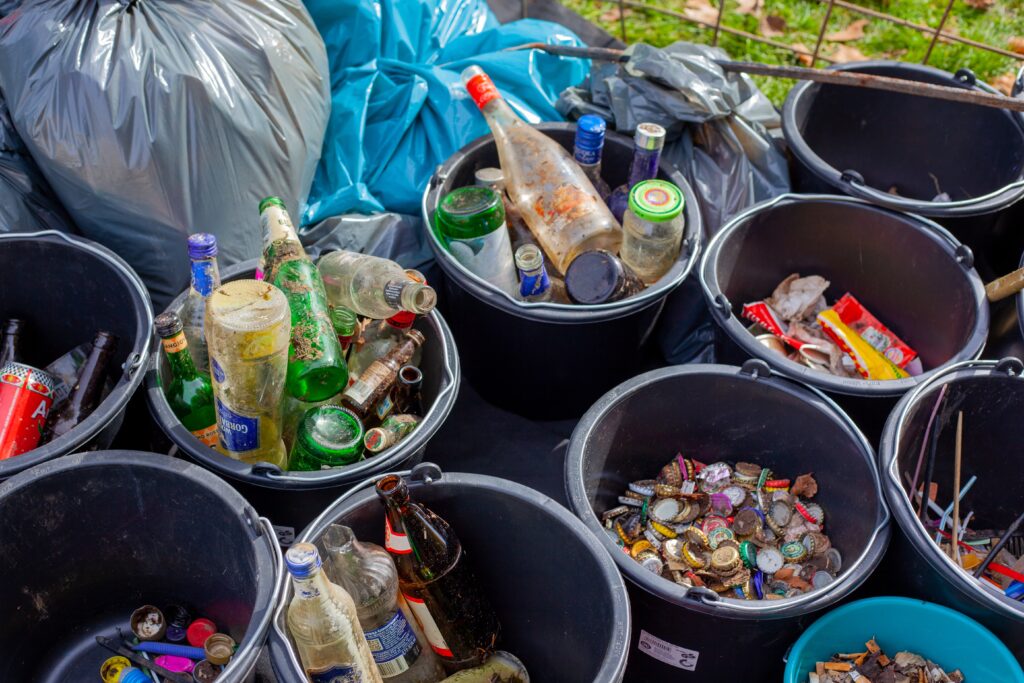
Recycling incentive schemes provide rewards to users for actively participating in the program. TARGET USERS: Individuals, Businesses, Government KEY CONSIDERATIONS: Rewards are given to program participants to encourage recycling, typically with vouchers for individuals, vouchers for communities or payments to individuals. MORE INFORMATION: https://www.serco.com/media/924/924.original.pdf THE PROBLEM Plastic recycling rates remain low and stagnant across the globe, with vast volumes of plastic being […]
Packaging Material Fees
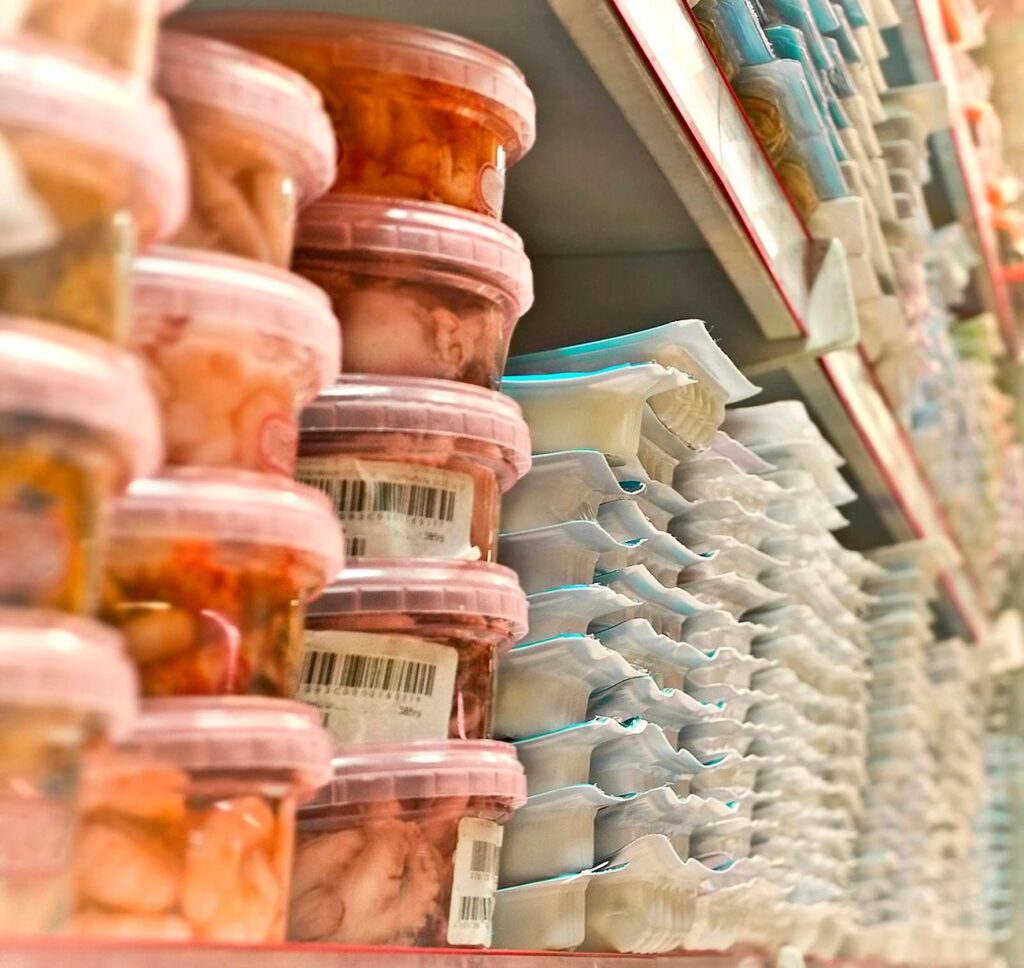
Packaging Material Fees require manufacturers to pay fees according to the amount of packaging material they put on the market. TARGET USERS: Industry, Government KEY CONSIDERATIONS: Packaging Material Fees can be pooled to fund packaging waste management activities through a Producer Responsibility Organization. MORE INFORMATION: See the German Packaging Ordinance THE PROBLEM The trade in plastic across international borders remains […]