WWF | Who Pays for Plastic Pollution? – Enabling Global Equity in the Plastic Value Chain

The lifetime cost of plastic is 10 times higher for low-income countries than rich ones, revealing crippling inequities in the plastics value chain A WWF-commissioned report developed by Dalberg warns that the true cost of plastic on our shared environment, health and economies can be as much as 10 times higher for low-income countries, even […]
WWF | Putting an End to Plastic Pollution

TOWARDS A TREATY TO END PLASTIC POLLUTION: WWFs CALL TO URGENTLY REGULATE HIGH-RISK PLASTIC PRODUCTS FROM POLLUTION TO SOLUTION Plastic is suffocating our rivers and oceans, killing species and contaminating our food, air and water. And the problem is only getting worse. Plastic pollution is a global problem that requires a global solution. Plastic leaking […]
WWF | Marine Plastic Pollution and Its Sources in the Coral Triangle
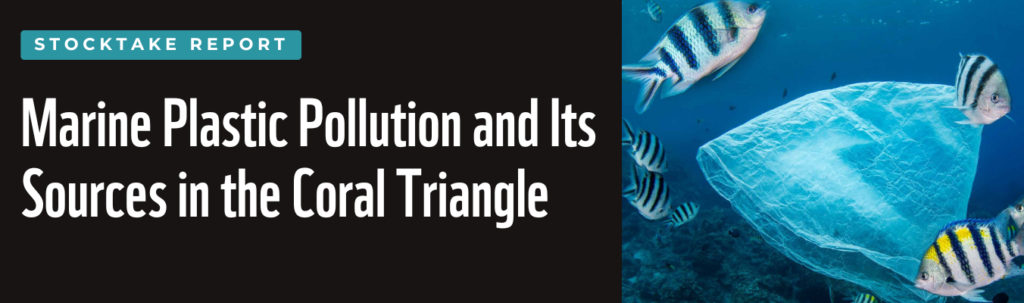
Every year, 11 million tonnes of plastic waste enter the world’s oceans, and this number is projected to increase to 29 million tonnes by 2040. The report “Marine Plastic Pollution and Its Sources in the Coral Triangle” highlights the serious issue of plastic waste in one of the world’s most diverse and delicate marine ecosystems. […]
WWF-Viet Nam | Guide to Reduce Plastic Waste in School: An Education Program in Hue City
This document was compiled within the framework of the project “Hue – Plastic Reduction City in Central Vietnam” (TVA project) of the World Wide Fund for Nature in Vietnam (WWF-Vietnam) with contributions of time and expertise from many individuals and organizations. Hue City has developed a plan to raise awareness, change behavior, and respond to single-use […]
WWF China | Guide to Plastic-Free Cities in the Yangtze River Delta—Case Study of Yangzhou Plastic-Free City
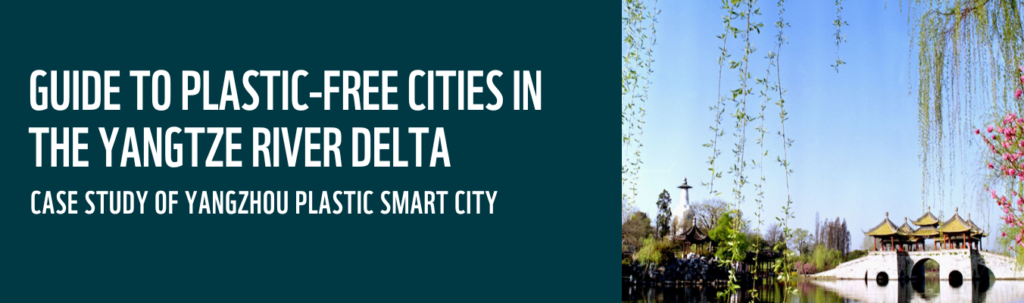
Yangzhou’s “Plastic-Free Nature” Campaign aims to address the growing issue of plastic pollution, particularly marine microplastics. Recognizing the environmental and health threats posed by plastic waste, China has taken significant steps in plastic pollution control, including national policies and local initiatives. In April 2020, Yangzhou partnered with WWF to launch the “Plastic-Smart Cities” initiative, becoming […]
WWF | Plastic Policy Summit Report: Domestic Solutions for a Global Problem
Building a Vision for a Plastic Pollution-Free Future Plastic waste in nature is an urgent issue with major adverse impacts on wildlife, ecosystem health, the integrity of food supplies, communities, and livelihoods. Currently, the equivalent of one dump truck’s worth of plastic enters our oceans every minute. By 2040, plastic production is predicted to double […]
WWF | Regulating High-Risk Plastic Products

The UN Environment Assembly’s decision, in March 2022, to start international negotiations on a plastic pollution treaty marked a watershed moment. Following a successful first session of the Intergovernmental Negotiation Committee (INC), states and other stakeholders are now committing to paper what the new treaty should contain. As states prepare for the INC’s second session […]
WWF | Breaking Down High-Risk Plastic Products
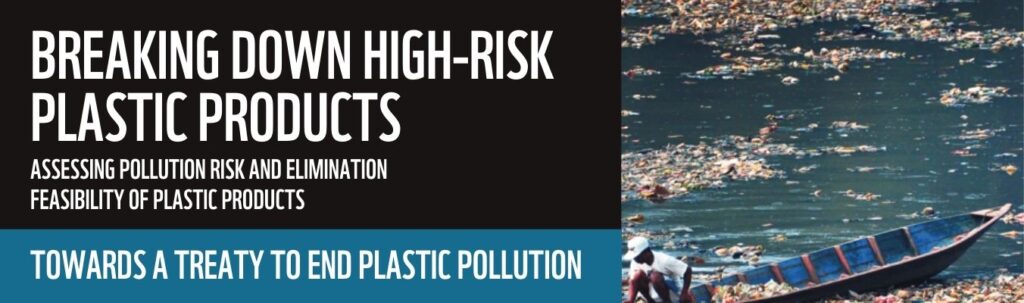
The UN Environment Assembly’s decision, in March 2022, to start international negotiations on a plastic pollution treaty marked a watershed moment. Following a successful first session of the Intergovernmental Negotiation Committee (INC), states and other stakeholders are now committing to paper what the new treaty should contain. As states prepare for the INC’s second session […]
WWF-Singapore | PACT Impact Report 2022
To achieve the elimination of plastic pollution and the extension of material life beyond single use, WWF-Singapore launched its WWF PACT business initiative in 2019. WWF PACT aims to help businesses reduce their waste footprint by following circular economy principles. The WWF PACT goals are aligned to the Singapore government’s Zero Waste Masterplan and the […]
WWF | Research Assessment on the Attitudes and Motivations of Women in Waste
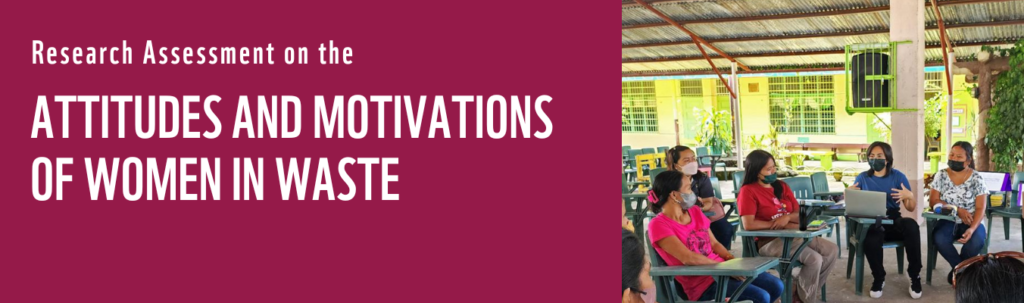
Studies on plastics and gender displayed three overarching concepts including women’s interlinked role with household care, their role in the plastics value chain, and perception of hazard in the waste sector. Environmental behaviors often serve as animpetus for determining green consumptionpractices (Zhao et al., 2021), with womenendorsing stronger pro-environmentalattitudes than men. Aruta (2021) observedthat women […]