WWF-Singapore | Reusable E-commerce Packaging Pilot Report
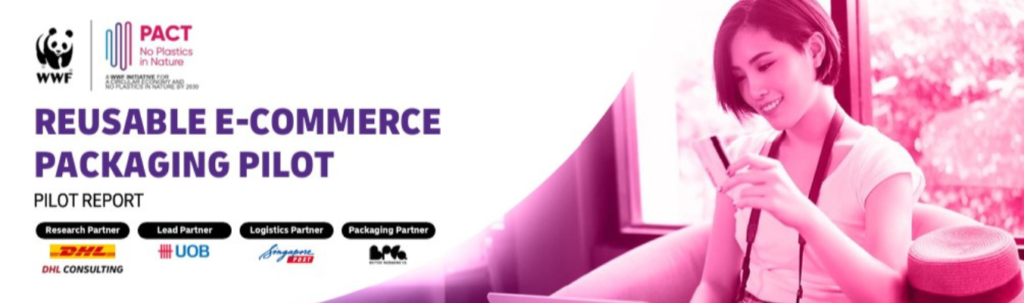
WWF-Singapore’s Plastic ACTion (WWF-PACT), with partners UOB, SingPost, and Better Packaging Co., launched a pilot program to promote reusable e-commerce packaging in Singapore, aiming to foster a circular economy. Retailers like Cloversoft, Davines, and others are offering customers the option to choose reusable packaging over single-use disposables. This initiative showcases how Singapore’s developed postal network […]
WWF-Viet Nam | The Plastic Reduction Journey of Hue City
In Hue City, the project “Hue – A Plastic Smart City in Central Vietnam” (hereinafter referred to as TVA project) funded by WWF-Norway through WWF-Vietnam, with Hue City People’s Committee as the executive agency, has been implemented from 2021 to 2024. The overall objective of the Project is to support Hue city in protection of […]
WWF | A Global Treaty to End Plastic Pollution that People and Nature Need
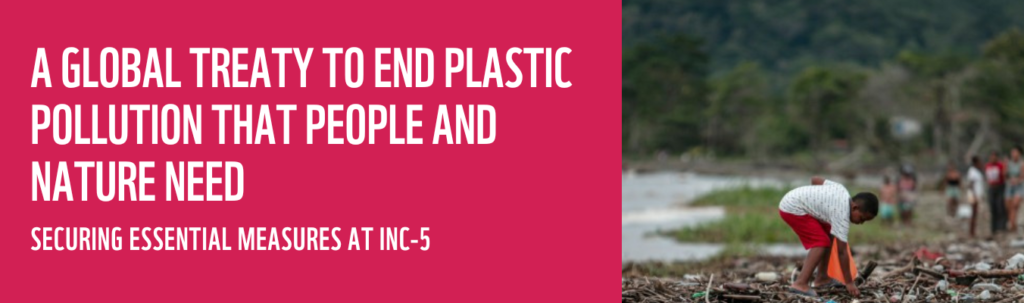
As states prepare to gather at the fifth and final session of the intergovernmental negotiations on the global treaty to end plastic pollution (INC-5), plastic pollution continues to ravage our planet, destroying ecosystems and wildlife populations, fuelling climate change and infiltrating our bodies through the air we breathe and the food and water we consume. […]
WWF-Philippines | Plastic Waste Reduction in Small Island Fishing Communities in Taytay Bay Poster
Resources for Plastic Reduction in Fishing Communities in Taytay, Palawan, Philippines
WWF-Viet Nam | School Plastic Reduction Handbook
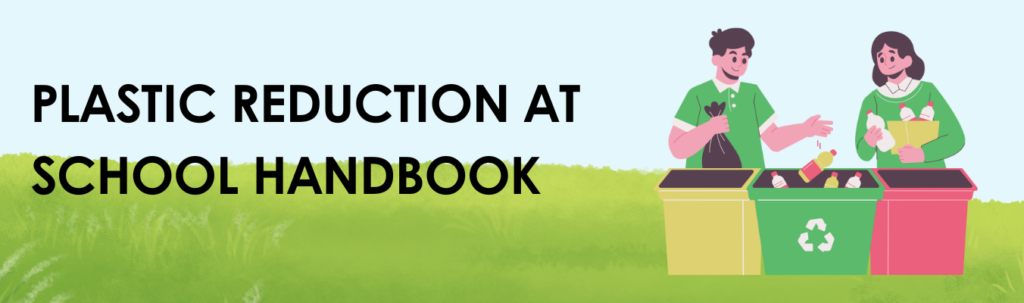
This handbook was developed to assist schools in minimizing plastic use and promoting a green, clean, and sustainable learning environment. Featuring practical methods and specific activities, this handbook provides basic knowledge about plastics, plastic waste, and its harm to the environment and human health. This handbook is divided into three main chapters: Chapter 1: Plastic […]
WWF-Indonesia | Ideas for Guiding School Communities Towards Zero Waste Schools
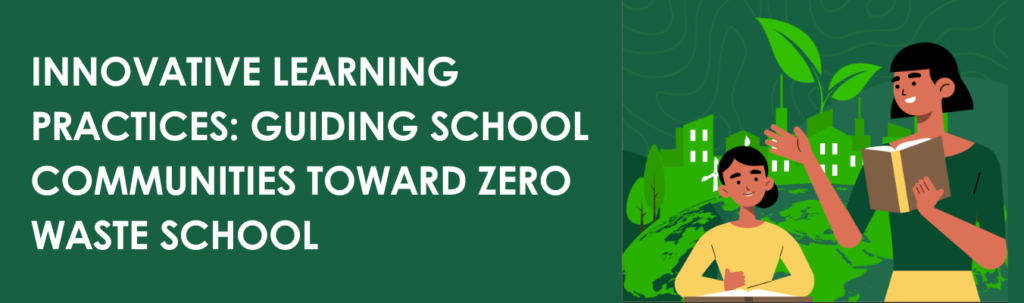
WWF Indonesia, through the Plastic Smart Cities Programme, has collaborated with the Guru Belajar Foundation to hold a Zero Waste Program School in schools in Depok near the Ciliwung River. Main Activity: This document is the output report of the implementation between June and October 2024. Language: Bahasa Indonesia
WWF | Cleaning Up Canals In Venice
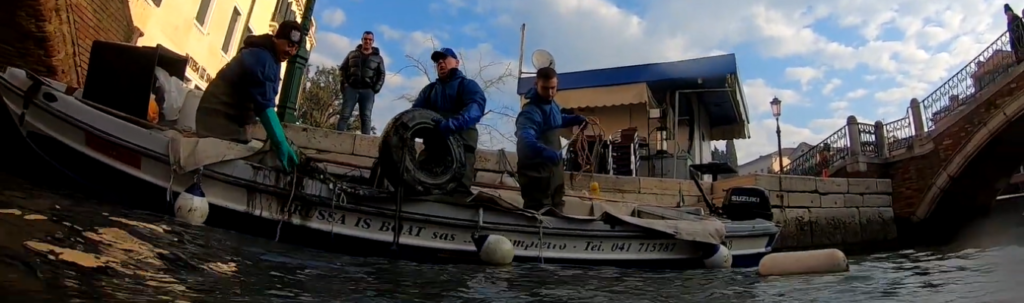
Research by the Italian Institute for Marine Research (CNR-ISMAR) found the canals of the historic city center of Venice to be littered with a large amount of waste and in particular, car tyres; this is due to the common practice, especially by heavy load transport boats, of using tyres as boat fenders. Project Objectives: The […]
WWF-Viet Nam | Plastic Waste Education Game Set

This game set provides a set of interactive activities to play in school to raise awareness about plastic waste among students. The game topic varies from identifying plastic in everyday life, plastic types, and plastic waste. To provide a deeper implementation, the game also introduces solutions to reduce plastic waste and its harmful effects on […]
WWF | Transforming Waste Management and Lives in Izmir, Türkiye
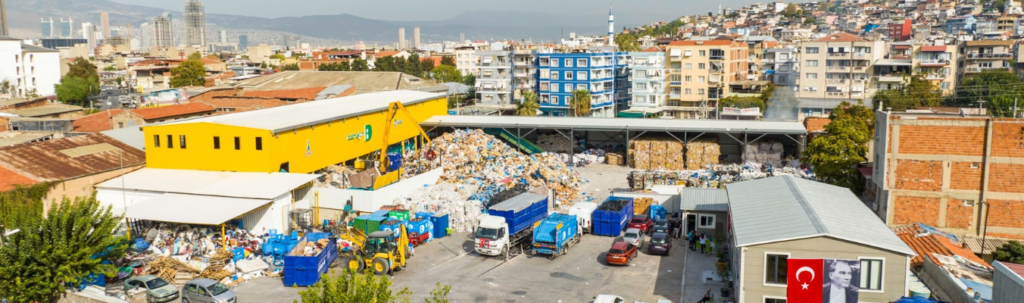
WWF-Türkiye has been working with the Metropolitan Municipality (MM) of Izmir since 2019 when the city joined Plastic Smart Cities. At the time, waste segregation at the source was not widely practised in Türkiye. Project Objectives Download the Case Study to learn more about the Izmir Transformation. Note: The IzDönüşüm project is now ending due […]
WWF-Kenya | Separation of Waste at Source in Likoni and Mvita, Kenya
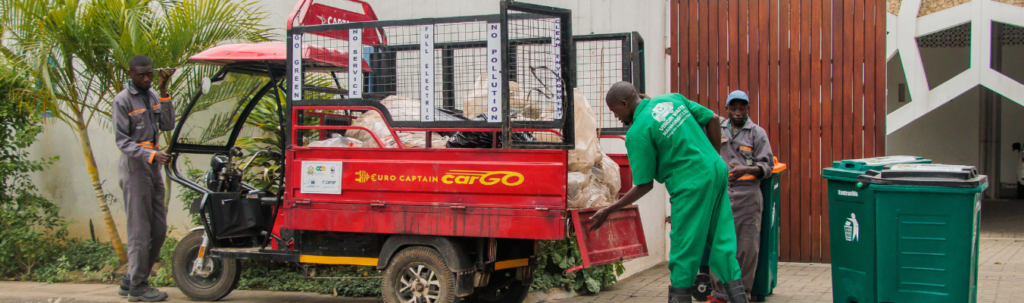
WWF Kenya, supported by the European Investment Bank, piloted a waste segregation pilot project in Mombasa. 800 households in Likoni and Mvita participated in this project. Over 8 weeks, 50,396.71 kilograms of waste were successfully separated. 12,254.45 Kilograms representing 24.3% of the collected waste was recycled reducing pressure on landfills. With an adoption rate of […]