WWF-Indonesia | A Ray of Light Amidst the Plastic Crisis

In the face of a mounting global plastic crisis, a dedicated group of local heroes is lighting the way toward a cleaner, more sustainable future for Indonesia. This book captures the power of grassroots leadership, profiling the extraordinary individuals who have turned environmental challenges into opportunities for community empowerment. These stories serve as a powerful […]
SEA-MaP | Regional Behavior Change Communications (BCC) Strategy Playbook on Plastic and Plastic Waste in ASEAN

Plastic pollution remains a critical threat to the environment, public health, and economies across Southeast Asia, driven by persistent everyday behaviors like littering and a heavy reliance on single-use plastics. While awareness is growing, the transition to sustainable habits requires a deep understanding of the specific “enablers” and “barriers” that influence daily choices. This newly […]
WWF Germany | Biogenic Resources in Packaging
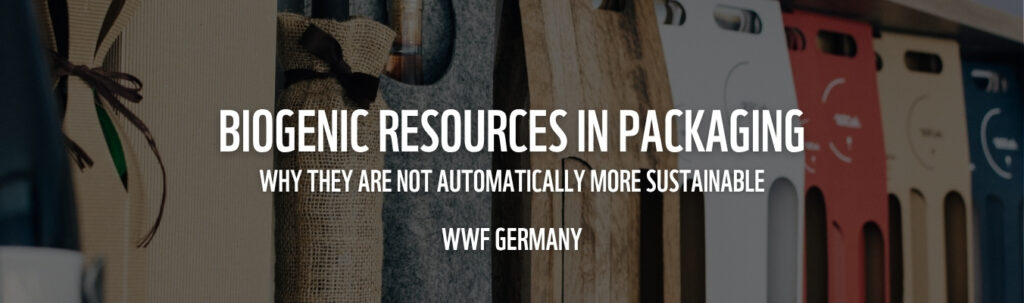
According to a study by ifeu and GVM published by WWF Germany, substituting fossil-based materials with biogenic resources in packaging is not automatically more sustainable. Although overall packaging consumption in Germany is projected to drop by nearly 16%—from 17.89 million tonnes in 2023 to 15.05 million tonnes by 2045—the widespread adoption of bio-based plastics threatens […]
The Pew Charitable Trusts, ICF | Breaking the Plastic Wave 2025

In 2020, The Pew Charitable Trusts and Systemiq published a groundbreaking report, “Breaking the Plastic Wave,” amid significant data gaps on plastic pollution, substantial debate over the scale of the plastic pollution problem and various proposals to meet the challenge. With that report, Pew and partners sought to move the global discourse forward by identifying […]
WWF-Indonesia | Indonesia Youth Sustainability Index Report 2025

This data-driven report serves as a benchmark for Indonesian youth aged 16–30 years to measure their perceptions, behaviours, and levels of engagement in sustainability practices, particularly on environmental and waste management issues. This study is based on survey with data collected from over 1,000 respondents in Jakarta, Bogor, and Depok, and is supplemented by interviews […]
SEI | A Waste Hero Alliance: Youth Visions for the inclusion and empowerment of informal waste workers in Asian Circular Cities

Focusing on five areas with an impact on the livelihoods of informal waste workers, this report presents key policy recommendations ideated by youth based on inputs from informal waste workers and feedback from other stakeholders. The Waste Hero Alliance is the result of an innovative multi-stakeholder policy dialogue series that connected informal waste workers and […]
WWF | Indonesia Waste Banks Go Digital
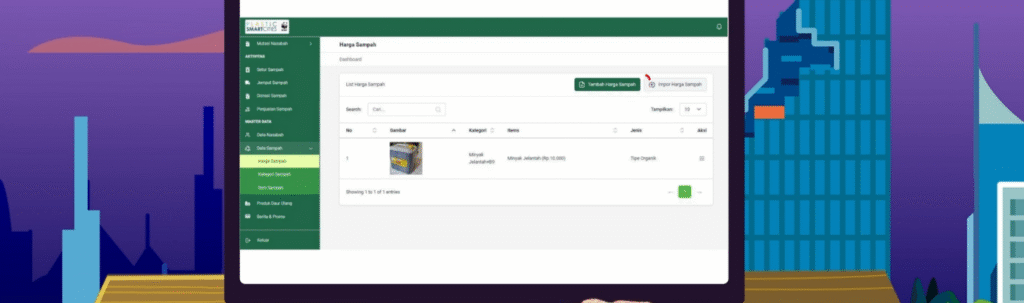
Case Study Indonesia: Bogor, Depok, JakartaWWF Involvement: January 2023 to December 2025Focus Area: Enabling FrameworkPSC Approach: Monitoring and AssessmentSystemic Intervention: Systems and Infrastructure Key Lessons Learned Background Aplikasi Data Sampah Indonesia (AKSI) is an Indonesian Waste Data Application, available on Apple Store and Google Play, developed to help waste banks move away from manual record-keeping […]
WWF | Addressing Plastic Leakage with Data in Cagayan de Oro

Case Study Philippines: Cagayan de OroWWF Involvement: May 2023 to November 2024Focus Area: Enabling FrameworkPSC Approach: Monitoring and AssessmentSystemic Intervention: Knowledge Strengthening Key Lessons Learned Background Cagayan de Oro City is a major urban centre in the Philippines. In 2024, the city generated around 450 tonnes of municipal solid waste (MSW) per day, of which […]
WWF | Improving the Financial Sustainability of Thailand’s MRFs

Case Study Thailand: Songkhla and Surat ThaniWWF Involvement: October 2023 to December 2024Focus Area: Enabling FrameworkPSC Approach: RecyclingSystemic Intervention: Financing and Funding Mechanisms Key Lessons Learned Background In many Thai cities, the costs associated with collecting and processing plastics often exceed the market value of recyclable plastic. In Songkhla, lower market prices are influenced in […]
WWF | Hue’s City Action Plan for Clean Streets
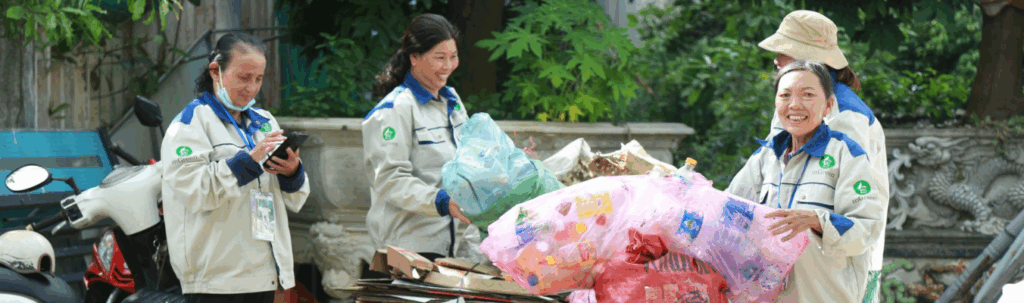
Case Study Viet Nam: HueWWF Involvement: September 2022 to December 2024Focus Area: Enabling FrameworkPSC Approach: Local Policy and RegulationSystemic Intervention: Strategy Development / Policy Advocacy Key Lessons Learned Background The journey towards “Hue – A Plastic Smart City in Central Viet Nam”, started with conducting baseline studies guided by the Plastic Smart Cities’ (PSC) Plastic […]