Island Innovation | Virtual Island Summit: Zero Waste Islands
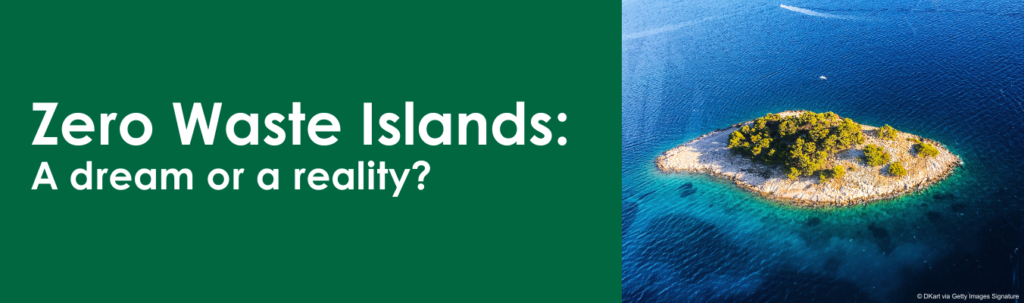
Is a waste-free island utopia or an achievable goal? This session from the Virtual Island Summit tackles the challenges and opportunities of creating sustainable island communities. Speakers:
WWF | Transforming Waste Management and Lives in Izmir, Türkiye
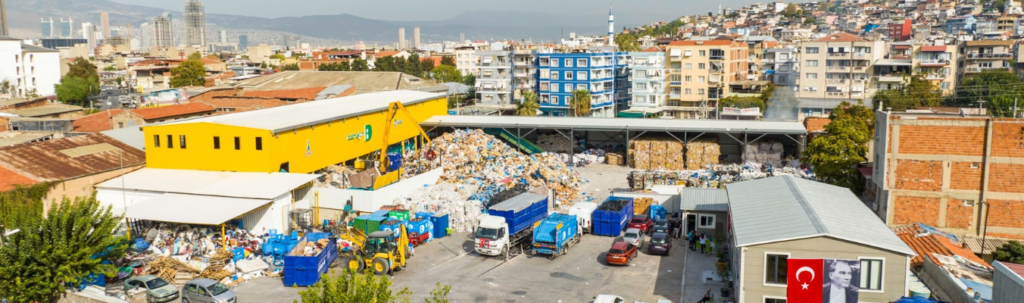
WWF-Türkiye has been working with the Metropolitan Municipality (MM) of Izmir since 2019 when the city joined Plastic Smart Cities. At the time, waste segregation at the source was not widely practised in Türkiye. Project Objectives Download the Case Study to learn more about the Izmir Transformation. Note: The IzDönüşüm project is now ending due […]
WWF-Kenya | Separation of Waste at Source in Likoni and Mvita, Kenya
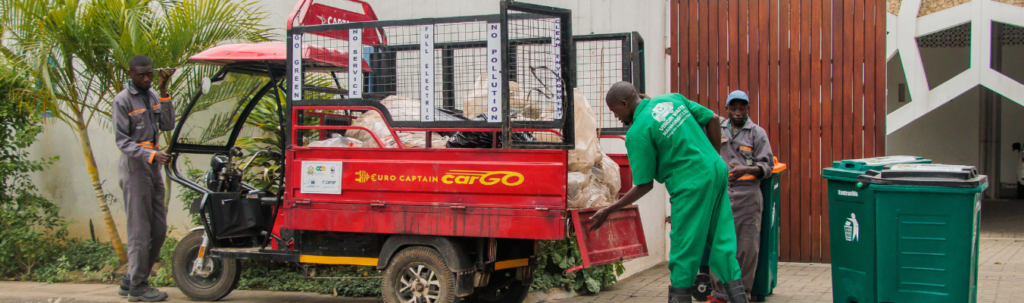
WWF Kenya, supported by the European Investment Bank, piloted a waste segregation pilot project in Mombasa. 800 households in Likoni and Mvita participated in this project. Over 8 weeks, 50,396.71 kilograms of waste were successfully separated. 12,254.45 Kilograms representing 24.3% of the collected waste was recycled reducing pressure on landfills. With an adoption rate of […]
WWF | Making the Global Plastics Treaty Work for Micro, Small, and Medium-sized Enterprises
New report by WWF and Ellen MacArthur Foundation analyses how to make the global plastic pollution treaty work for micro-, small-, and medium-sized enterprises (MSMEs). The report also makes recommendations for how global rules across the plastic value chain can stimulate new marked opportunities. MSMEs represent 90% of businesses worldwide. They are engines of innovation, particularly […]
The Recycling Partnership | PET Recycling Coalition: Annual Report 2024
This first PET Recycling Coalition annual report illustrates how collective action between brands, communities, recyclers and plastic manufacturers is making it possible for more PET to be recycled and transformed into future packaging. From salad containers and water bottles to clothing and carpet, PET makes up many of the things we use daily. But while […]
Evergreen Labs Advisory | FROM THE MARGINS TO MAINSTREAM: A White Paper on Integrating Informal Sector Workers into Formal Economies in Southeast Asia
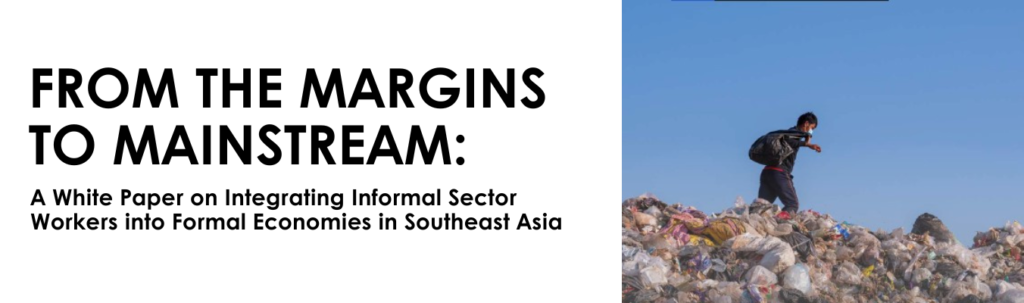
This report delves into the critical role of Informal Waste Workers (IWWs) within the wastemanagement system. The primary focus is to analyze the challenges IWWs face and the opportunities for formalizing their work, ultimately improving their working conditions and stabilizing their income. The integration of informal waste workers into formal waste management systems presents a […]
Kearney | Solving Plastic Waste: Roadmap for a Sustainable Future
India generates more than 10 million tons of plastic waste each year. A new paper by Kearney and the Confederation of Indian Industry maps out a comprehensive initiative to address this challenging landscape. Each step of the plastics value chain requires close examination to identify issues and drive potential solutions:
International Institute for Sustainable Development | Avoiding Trade Concerns in the Design of Plastic Pollution Measures: Evidence and recommendations for policy-makers
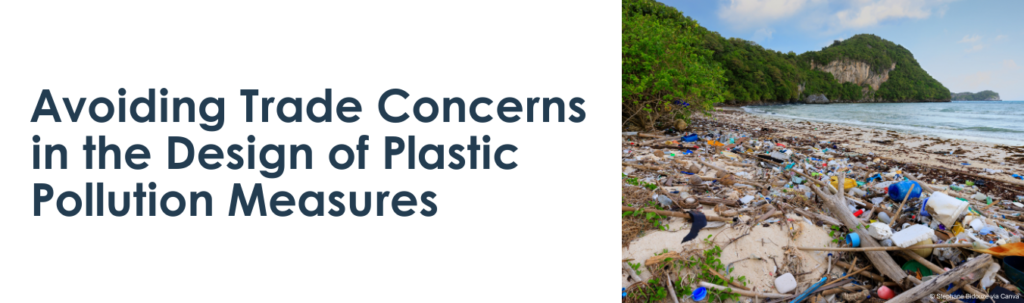
IISD provides insights on aspects of World Trade Organization (WTO) members’ plastics that have created friction with trading partners and suggests recommendations for the adoption of such policies in the future. The authors identify the nature and categories of the issues that have been raised. This policy brief aims to help policy-makers avoid possible friction […]
UN-Habitat | Waste Wise Cities Tool
Step by Step Guide to Assess a City’s Municipal Solid Waste Management Performance through SDG indicator 11.6.1 Monitoring Waste Wise Cities Tool (WaCT) guides readers through 7 steps to collect data on municipal solid waste (MSW) generated, collected, and managed in controlled facilities. The tool provides a household survey guide for total MSW generation, a […]
ERIA | Breaking the Plastic Habit: A Guidance Note and Practical Toolkit
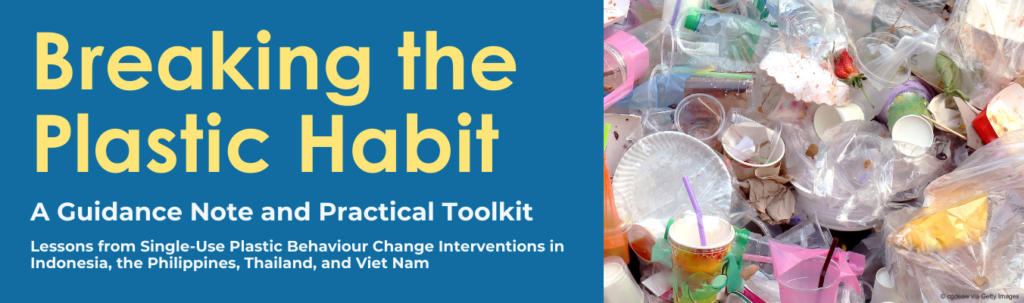
Behavioural insight interventions to reduce plastic consumption were implemented in four countries in the Asia-Pacific: Indonesia, the Philippines, Thailand, and Viet Nam. Case studies on the four pilot projects provide a detailed account of the process of designing and evaluating interventions using a variety of behaviour change levers. Lessons and positive outcomes from these pioneering […]