WWF | Pak Meng School Cashes in on Waste

Case Study Thailand: Trang City, Trang ProvinceWWF Involvement: January 2023 to March 2025Focus Area: Reduction, CollectionPSC Approach: Behavioural Change, Community-based Waste ManagementSystemic Intervention: Knowledge Strengthening, Systems & Infrastructure Key Lessons Learned Background Pak Meng School in Trang, Thailand, piloted a holistic approach to plastic waste management from initiating educational activities for the reduction of plastic […]
WWF | Household Waste Separation at Source in Tan An
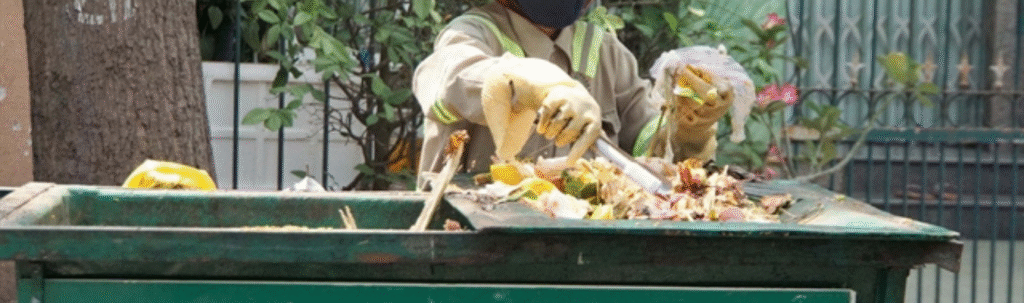
Case Study Viet Nam: Tan An City, Long An ProvinceWWF Involvement: August 2020 to July 2021Focus Area: CollectionPSC Approach: Formal CollectionSystemic Intervention: Systems and Infrastructure Key Lessons Learned Background Viet Nam is a major contributor to marine plastic pollution, with the Mekong River serving as a significant pathway for waste entering the oceans (Pfaff-Simoneit, 2023). […]
WWF | Hat Yai’s Mall Take-Back Programme
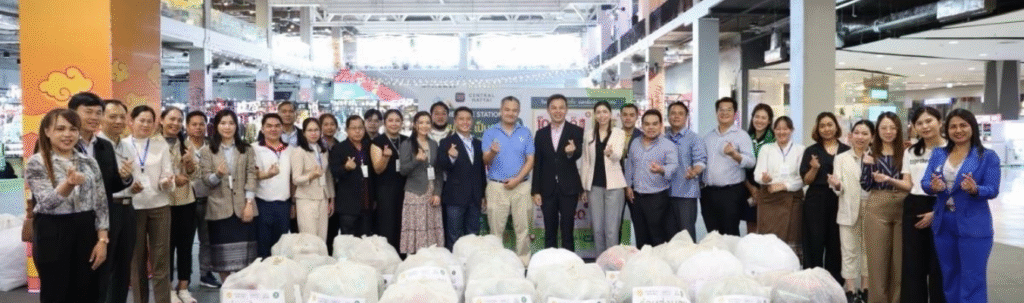
Case Study Thailand: Hat YaiWWF Involvement: October 2023 to October 2025Focus Area: CollectionPSC Approach: Formal CollectionSystemic Intervention: Policy Advocacy Key Lessons Learned Background In order to move away from mixed collection and enhance plastic recovery from the waste generated at Hat Yai’s Central Mall, the shopping mall adopted a “take-back” programme in October 2023, set […]
WWF | Kenanga Waste Bank: Building an Integrated System in Bogor
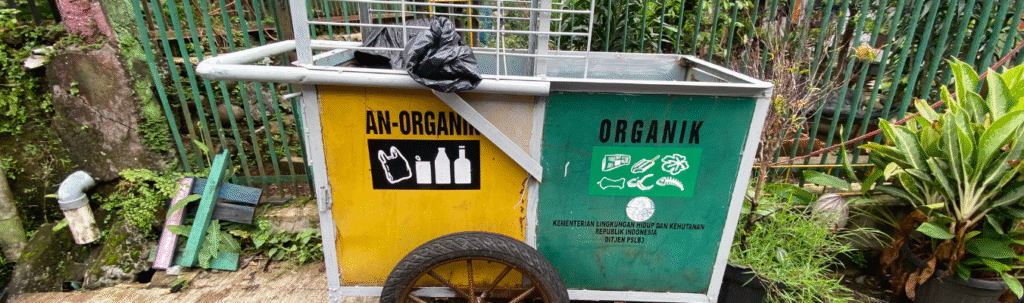
Case Study Indonesia: BogorWWF Involvement: March 2023 to December 2023Focus Area: CollectionPSC Approach: Community-based Waste ManagementSystemic Intervention: Systems and Infrastructure Key Lessons Learned Background Established in 2017, BS Kenanga waste bank serves as a model for community-driven waste management in Bogor City, integrating plastic waste collection, organic waste processing, and digital transactions while offering financial […]
ESCAP | Circular Approaches to Solid Waste Management

The Urban-Act project aims to promote low-carbon and resilient urban development in the Asia-Pacific region from April 2022 to December 2027. It supports countries in achieving their Nationally Determined Contributions (NDCs) and advancing the Sustainable Development Goals (SDGs) through collaboration among various regional partners. Asia and the Pacific face escalating challenges in solid waste management […]
WWF-Thailand | A Handbook for Developing Plastic Smart Cities in Thailand
Plastic Smart Cities (PSC) Thailand is a four-year program (2021-2024) financially supported by the NRK & Norad through World Wide Fund for Nature (WWF) Norway. Plastic Smart Cities are cities that aim to have zero plastic leakage into nature. The program’s overall objective is to reduce plastic leakage by 30% in the near term, and […]
RWA Group | Rethinking Waste and Resource Management for Underserved Communities
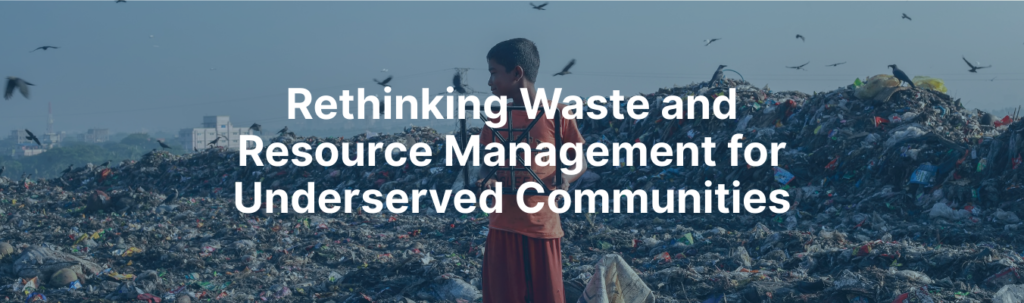
Municipal solid waste management (MSWM) is a basic service, yet over 2.7 billion people still lack access to collection, and 40% of collected MSW is open-dumped or burned. This global waste emergency has severe local and global impacts — extending services to all would reduce macroplastic dispersal to the environment by ~80% and mitigate climate […]
WWF-Viet Nam | Manual on Plastic Waste Reduction using the Participatory Action-Oriented Training (PAOT) Method
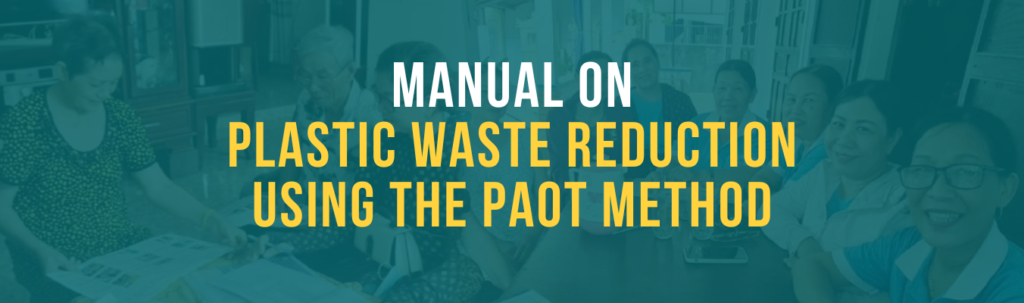
The Participatory Action-Oriented Training (PAOT) is a practical method that fosters grassroots initiatives and bases on self-help voluntary actions that enable local people to implement immediate improvements in occupational health and safety and working conditions by using available local resources (manpower and materials). Building on the experience of implementing the PAOT method for plastic reduction […]
WWF-Viet Nam | The Plastic Reduction Journey of Hue City
In Hue City, the project “Hue – A Plastic Smart City in Central Vietnam” (hereinafter referred to as TVA project) funded by WWF-Norway through WWF-Vietnam, with Hue City People’s Committee as the executive agency, has been implemented from 2021 to 2024. The overall objective of the Project is to support Hue city in protection of […]
WWF | Cleaning Up Canals In Venice
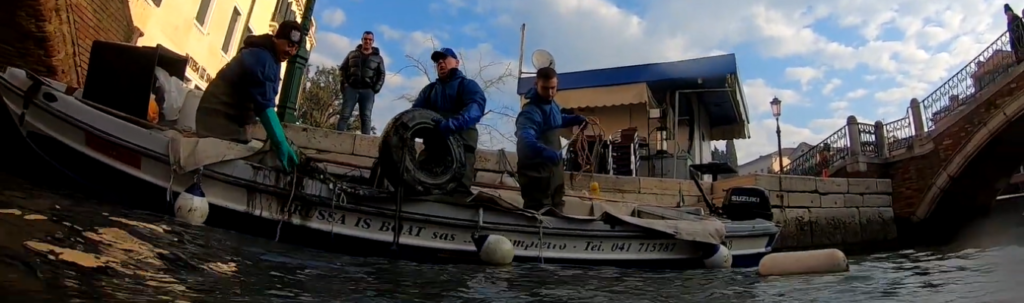
Research by the Italian Institute for Marine Research (CNR-ISMAR) found the canals of the historic city center of Venice to be littered with a large amount of waste and in particular, car tyres; this is due to the common practice, especially by heavy load transport boats, of using tyres as boat fenders. Project Objectives: The […]